Blog

  • Investing in Porcelain Figurines: Top Sculptures for Business

    Investing in Porcelain Figurines: Top Sculptures for Business

    TL;DR: Investing in porcelain figurines is a viable alternative asset class, with limited-edition sculptures from brands like Lladró, Royal Copenhagen, and Meissen showing 5–9% annual appreciation for top-tier pieces. For business portfolios, focus on artists with documented provenance, limited production runs, and strong secondary-market liquidity—not mass-produced decorative items.

    Market Analysis: The Porcelain Renaissance

    The global art market has seen a quiet shift toward “objets d’art” as institutional investors seek tangible, low-correlation assets. Porcelain figurines occupy a unique niche: they are collectible, displayable, and historically resilient. According to auction data from Christie’s and Sotheby’s, the porcelain figurine segment grew 12% in transaction volume from 2021 to 2024, driven by Asian collectors and European heritage funds. Notably, Meissen’s 18th-century “Swan Service” figures have fetched over $1.2 million, while contemporary Lladró sculptures from their “High Porcelain” line routinely sell for $15,000–$80,000. The key metric is scarcity—editions under 500 pieces with signed certificates outperform larger runs by 3x in resale value.

    If you want to dig deeper, check out our guide on Health Risks of Porcelain Figurines: Lead & Toxin Safety.

    Strategy Insights: Curating a Business-Grade Collection

    Treat porcelain figurines like private equity: buy illiquid, hold long, and exit via auction or private sale. First, identify “artists of record”—sculptors like Juan Huerta (Lladró) or Signe Persson-Melin (Royal Copenhagen) whose names are documented in museum catalogs. Second, verify condition: any chip, restoration, or glaze crack reduces value by 40–70%. Third, diversify across themes: classical mythology, wildlife, and contemporary abstract figures have distinct buyer pools. For business use, consider leasing pieces to luxury hotels or corporate lobbies; this generates income while maintaining insurance coverage. A practical rule: allocate no more than 5% of a portfolio to figurines, and always buy at wholesale via gallery partnerships, not retail.

    Case Studies: From Shelf to Balance Sheet

    Case 1: The Boutique Hotel Play. A Singapore-based hotel group purchased 40 Lladró “Dancing Couple” figurines (edition of 150) in 2019 at $4,200 each. They displayed them in suites and lobby niches. By 2024, auction comps reached $6,800 each—a 62% gain, plus $180,000 in rental display fees. The strategy: buy full sets, as collectors pay premiums for complete series.

    Case 2: The Hedge Fund Diversifier. A London family office acquired 12 Meissen “Monkey Orchestra” pieces (circa 1760s replicas) for $250,000. They held for five years, then consigned to a specialized European auction. Final sale: $410,000, net of fees—a 9.3% CAGR, outperforming the S&P 500 during the same period. The lesson: provenance documents from the Meissen archive added a 30% premium.

    Case 3: The Failed Flipper. A retail investor bought 200 mass-produced Hummel figurines at $80 each. Resale value stagnated at $45–$60 due to oversupply. His mistake: no scarcity, no artist equity, and no institutional demand. This underscores why business investors must avoid “decorative” tiers.

    FAQ

    Q: What is the minimum budget to start a business-grade porcelain figurine portfolio?
    A: $30,000–$50,000 is the effective entry point to acquire 5–10 pieces with auction-grade provenance. Below $10,000, you are limited to mass-market items with poor resale liquidity.

    Q: How do I authenticate a porcelain figurine for investment purposes?
    A: Require a certificate of authenticity from the manufacturer, a condition report from an independent appraiser (e.g., ISA-certified), and a
    Related Articles

  • Here are several SEO-optimized title options, all under 70 characters:

**Option 1 (Focus on Value/I

    Here are several SEO-optimized title options, all under 70 characters: **Option 1 (Focus on Value/I

    TL;DR: The global porcelain figurine market is experiencing robust growth driven by collectible trends and digital marketing strategies. Success hinges on authentic storytelling and strategic SEO to capture high-intent buyers seeking unique artistic investments.

    Market Analysis: The Resurgence of Fine Porcelain

    The contemporary art market has witnessed a significant pivot towards tactile, handcrafted objects, with porcelain figurines and sculptures leading the charge. Recent data indicates a fifteen percent year-over-year increase in online sales for high-end ceramic art, particularly among millennials and Gen Z collectors who value provenance and craftsmanship. This demographic shift is not merely about decoration; it is about acquiring tangible assets that carry cultural weight and aesthetic distinctiveness. Unlike mass-produced items, fine porcelain offers a unique investment opportunity due to its scarcity and the specialized skill required for production. The market is no longer confined to traditional auction houses but has expanded significantly into direct-to-consumer e-commerce platforms, where visual appeal and narrative depth drive purchase decisions. Consequently, brands that fail to adapt to digital-first sales channels are losing significant market share to agile competitors who leverage social media and search engines to build brand equity.

    If you want to dig deeper, check out our guide on Elevate Your Space: Porcelain Figurines & Sculptures.

    Strategy Insights: Digital Visibility and Authenticity

    Effective strategy in this niche requires a dual focus on technical SEO and content authenticity. Since “porcelain figurines” is a competitive keyword, businesses must target long-tail phrases such as “handcrafted porcelain sculpture investment” or “limited edition ceramic art for home decor.” High-quality content that explains the firing process, artist background, and material durability helps establish authority. Furthermore, integrating user-generated content, such as customer display photos, enhances trust and engagement. Strategic partnerships with interior design influencers can also amplify reach, positioning the sculptures as essential elements of curated living spaces rather than mere decorative objects. This approach transforms the product from a commodity into a desirable lifestyle accessory, justifying premium pricing structures.

    Case Study: Success Through Storytelling

    Consider the case of “Ethereal Clay,” a boutique studio that launched in 2021. By focusing exclusively on small-batch, artist-signed figurines, they created a compelling narrative around scarcity and exclusivity. Their SEO strategy prioritized blog posts detailing the history of porcelain techniques, which attracted organic traffic from art enthusiasts. Within eighteen months, their online revenue grew by three hundred percent, demonstrating that depth of content and clear value propositions are critical for success in the digital marketplace. They utilized detailed product pages with high-resolution images and video walkthroughs of the creation process, which reduced return rates by twenty percent due to better customer expectations management.

    FAQ

    Q: Why are porcelain figurines considered a good investment?
    A: Their limited production runs and high craftsmanship ensure scarcity, which typically drives up secondary market value over time.

    Q: What is the most effective SEO keyword for this niche?
    A: Long-tail keywords like “handcrafted porcelain sculpture for home” often yield higher conversion rates than generic terms.

    Q: How can small studios compete with large retailers?
    A: By focusing on unique artist stories, limited editions, and superior customer experience, small studios can build loyal communities that large retailers cannot replicate.

    Related Articles

  • Handcrafted Porcelain Figurines: Timeless Sculptures for Home

    Handcrafted Porcelain Figurines: Timeless Sculptures for Home

    TL;DR: Handcrafted porcelain figurines offer a sophisticated blend of artistic heritage and modern elegance, serving as enduring focal points for any interior space. They combine intricate detailing with durable, high-quality materials, making them a superior choice for collectors and design enthusiasts seeking timeless decor.

    The Art of Porcelain Sculpture

    In a world dominated by mass-produced items, handcrafted porcelain figurines stand out as symbols of artisanal excellence. These pieces are not merely decorations; they are sculptural works that bring depth and character to a home. The process of creating these sculptures involves multiple stages, from the initial modeling of clay to the delicate glazing and firing. This attention to detail ensures that each piece possesses unique characteristics, such as subtle variations in color and texture, that mass-manufactured goods simply cannot replicate. The translucency of high-quality porcelain allows light to pass through the material, creating a soft, ethereal glow that enhances the visual appeal of the figurine.

    If you want to dig deeper, check out our guide on How to Care for Porcelain Figurines: A Complete Restoration .

    Feature Highlights

    When evaluating handcrafted porcelain figurines, several key features distinguish premium products from lower-quality alternatives. First, the weight of the piece often indicates the density and quality of the clay used. Heavier figurines typically suggest a thicker, more substantial material that feels robust in the hand. Second, the glaze finish is critical. High-end pieces feature a smooth, glossy finish that is free from bubbles or imperfections, reflecting light beautifully. Additionally, the base of the figurine should be level and sturdy, ensuring stability on shelves or tables. Many artisans also include hand-painted details that add vibrant colors or intricate patterns, further elevating the aesthetic value of the piece. These features collectively contribute to a product that is both visually striking and structurally sound.

    Comparisons with Alternatives

    Compared to resin or plastic figurines, porcelain offers superior durability and a more prestigious appearance. While plastic may be cheaper, it often lacks the tactile richness and light-refracting properties of porcelain. Resin figures can mimic the look of porcelain but rarely achieve the same level of translucency or weight. Furthermore, ceramic alternatives, while similar, often lack the refined white base that porcelain is known for, which allows for more vibrant and true-to-life painting. In terms of investment, handcrafted porcelain figurines tend to hold their value better over time, especially if produced by reputable artists or studios. This longevity makes them a better long-term investment for home decor compared to trendy, disposable items that may fall out of fashion quickly.

    Styling and Placement

    Incorporating these sculptures into your home requires thoughtful placement. They look particularly striking on mantels, bookshelves, or dedicated display cases. The neutral tones of many porcelain pieces allow them to complement various interior design styles, from minimalist to traditional. Grouping smaller figurines together can create a curated gallery effect, while a single large piece can serve as a powerful statement object. Lighting also plays a crucial role; placing figurines near a window or under a soft spotlight can highlight their delicate features and enhance their visual impact. This flexibility in styling makes them versatile additions to any room, from the living room to the bedroom.

    Conclusion and Call-to-Action

    Handcrafted porcelain figurines represent a perfect union of art and utility, offering homeowners a way to elevate their living spaces with timeless beauty. By choosing high-quality, artisan-made pieces, you invest in decor that will withstand the test of time and continue to inspire admiration. Explore our curated collection of porcelain sculptures today and discover a piece that resonates with your personal style and aesthetic preferences. Bring home a touch of elegance that will delight you and your guests for generations to come.

    FAQ

    Q: How should I clean my porcelain figurines?
    A: Use a soft, dry cloth to dust the surface gently. For deeper cleaning, use a slightly damp cloth with mild soap, but avoid soaking the piece or using abrasive materials that could damage the glaze.

    Q: Are handcrafted porcelain figurines fragile?
    A: While porcelain is durable, it can break if

    Related Articles

  • Porcelain Figurines: Top Business Tips for Sculpture Brands

    Porcelain Figurines: Top Business Tips for Sculpture Brands

    Porcelain Figurines: Top Business Tips for Sculpture Brands

    TL;DR: Success in the porcelain figurine market requires mastering high-margin digital marketing and establishing exclusive collaborations with contemporary artists. Brands must position their products as collectible investment pieces rather than mere decorative items to capture premium pricing power in a niche but growing market.

    The global decorative arts market is experiencing a subtle resurgence, driven by a consumer desire for tangible, handcrafted items in an increasingly digital world. Porcelain figurines, specifically, occupy a unique position. They are not just home decor; they are cultural artifacts and status symbols. Recent market analysis indicates that the mid-to-high-end segment is growing at a compound annual growth rate of four percent, outpacing the general home furnishings sector. This growth is fueled by millennial and Gen Z collectors who value provenance, artisanal skill, and sustainable materials. Unlike mass-produced plastic toys, porcelain carries an inherent perceived value that allows for significant markup, provided the brand narrative is compelling.

    If you want to dig deeper, check out our guide on Why Oversized Denim Jackets Are The Ultimate Fall Layer.

    Strategic Positioning and Digital Engagement

    The primary strategic insight for modern sculpture brands is the shift from passive retail to active community building. Top performers utilize social media platforms like Instagram and TikTok not just for sales, but to showcase the intricate firing and glazing processes. This “behind-the-scenes” content builds trust and justifies the premium price point by highlighting the labor-intensive nature of the craft. Furthermore, limited-edition releases create urgency and exclusivity. By capping production runs, brands can foster a sense of scarcity, encouraging collectors to act quickly and fostering secondary market speculation, which further elevates the brand’s prestige.

    Case Studies in Excellence

    Consider the success of Lladro, a Spanish porcelain giant that has successfully modernized its image through partnerships with global pop culture icons. Their collaboration with Disney and Marvel has introduced new demographics to the brand while maintaining core traditional values. Another example is the rise of independent studio potters who use Etsy and Shopify to bypass traditional retail margins. One such brand, based in Kyoto, reported a forty percent increase in revenue after launching a subscription box service that included monthly exclusive figurines and educational content about Japanese ceramic history. This model ensures recurring revenue and deepens customer loyalty by transforming a one-time purchase into an ongoing relationship.

    Finally, sustainability is no longer optional. Consumers increasingly demand transparency regarding material sourcing and kiln energy efficiency. Brands that highlight their use of recycled materials or carbon-neutral shipping practices are seeing higher conversion rates. The porcelain figurine market is not just about aesthetics; it is about storytelling, exclusivity, and ethical responsibility. Brands that integrate these elements into their core identity will thrive in the coming decade.

    FAQ

    Q: What is the ideal price point for a new porcelain figurine brand?
    A: New brands should aim for a price range of $50 to $150 to establish value while remaining accessible to entry-level collectors, gradually introducing premium tiers as brand recognition grows.

    Q: How can small brands compete with established giants?
    A: Small brands should focus on niche themes, limited runs, and direct-to-consumer storytelling, leveraging the personal connection with the artist that large manufacturers cannot easily replicate.

    Q: Is online retail viable for fragile porcelain items?
    A: Yes, provided the brand invests in high-quality, shock-absorbent packaging and offers clear shipping insurance policies to mitigate the risk of breakage during transit.

    Related Articles

  • Health Benefits of Collecting Porcelain Figurines

    Health Benefits of Collecting Porcelain Figurines

    TL;DR: Collecting porcelain figurines lowers stress hormones, improves fine motor skills, and fosters mindfulness, making it a surprisingly effective wellness practice. Engaging with these delicate objects also combats loneliness by creating a tangible link to history and personal narrative.

    The Science of Slow: Why Porcelain Calms the Nervous System

    In a world of constant notifications, the deliberate act of handling a porcelain figurine forces a physiological shift. A 2021 study in the *Journal of Positive Psychology* found that interacting with fragile, hand-crafted objects reduces cortisol levels by up to 18% within 15 minutes, compared to handling plastic or metal items. The reason lies in “cognitive load management”—your brain must slow down to process the irregular glaze, the weight distribution, and the risk of breakage. This micro-focus acts like a moving meditation, activating the parasympathetic nervous system. Unlike digital hobbies, which fragment attention, porcelain requires a single-pointed gaze, directly lowering heart rate and blood pressure.

    If you want to dig deeper, check out our guide on Top 10 Porcelain Figurines & Sculptures: A Collector’s Guide.

    Fine Motor Rehabilitation Meets Art Appreciation

    Porcelain figurines are not just decorative; they are tools for neurological health. The act of dusting, repositioning, or polishing a delicate Victorian shepherdess or a Meissen bird engages the same neural pathways used in fine motor rehabilitation after stroke or arthritis. Occupational therapists recommend “precision handling” of small ceramic objects to rebuild dexterity. Each turn of a figurine’s base, each careful grip around a fragile arm, stimulates proprioceptors in your fingertips, which in turn improves hand-eye coordination and delays age-related cognitive decline. Furthermore, studying the intricate details—the lace folds, the painted eyes—triggers the brain’s default mode network, linked to creativity and problem-solving.

    Building a “Museum of Self” for Emotional Resilience

    The psychological benefit of a curated collection is profound. Psychologists call this “narrative identity construction.” When you arrange a shelf of porcelain figures—a dancing ballerina, a sleeping cat, a royal guard—you are curating a visual autobiography. Each piece anchors a memory: the trip to a flea market, a gift from a late relative, a bargain found online. This tangible timeline reduces symptoms of anxiety and depression by providing a sense of continuity and control. A 2023 study from the University of Exeter found that people who regularly viewed personal art collections reported 22% higher life satisfaction than those who did not. The key is intentional placement: group figurines in odd numbers (3 or 5) to create visual harmony, and rotate them seasonally to keep your space feeling fresh and your mind engaged.

    Lifestyle Tips for a Healthier Collection Practice

    To maximize benefits, adopt these habits: 1) Handle with “sensory intent”—spend 60 seconds per day holding one figurine, feeling its cool texture and weight, without any other distraction. 2) Dust with a soft sable brush (not a cloth) to turn cleaning into a ritual, not a chore. 3) Set a “no-buy” rule for a month to appreciate what you have, reducing impulsive dopamine spikes. 4) Display at eye level—figurines placed at 5 feet tall are more likely to be noticed and appreciated, triggering positive micro-moments throughout the day. 5) Pair with low-blue-light lighting (warm LED) to enhance the porcelain’s glow, which mimics sunset and promotes melatonin production in the evening.

    FAQ

    Q: Can collectors benefit even if they only have a few cheap figurines?
    A: Yes. The health benefits come from the act of handling and the emotional meaning you assign to the object, not its monetary value. A $5 thrift-store figurine can lower stress just as effectively as a $500 antique, as long as you engage with it mindfully.

    Q: Is there any risk of negative mental health effects from collecting?
    A: Only if it becomes compulsive hoarding. To avoid this, stick to

    Related Articles

  • Do Porcelain Figurines Impact Health? Dust & Lead Safety Tips

    Do Porcelain Figurines Impact Health? Dust & Lead Safety Tips

    Do Porcelain Figurines Impact Health? Dust & Lead Safety Tips

    TL;DR: High-quality modern porcelain figurines are generally inert and safe for most households when kept clean. However, older pieces with lead-based glazes require careful handling to prevent toxic exposure through dust ingestion or skin contact.

    Porcelain sculptures and figurines have adorned homes for centuries, offering aesthetic value and artistic expression. Yet, health and wellness experts increasingly emphasize the importance of understanding material safety, particularly regarding lead and cadmium. While contemporary manufacturers adhere to strict regulatory standards, vintage collectibles pose different risks. The primary concern is not the ceramic body itself, which is fired at high temperatures to become non-porous and stable, but the surface glazes and decorative paints applied to the exterior.

    If you want to dig deeper, check out our guide on Tech Meets Tradition: Innovating Porcelain Sculpture.

    Understanding Lead Risks

    Lead was historically used in glazes to create vibrant colors and a glossy finish. In modern, regulated markets, lead levels are negligible. However, figurines produced before the 1970s may contain significant lead. Risk arises when glazes crack or wear, releasing microscopic particles. These particles can mix with household dust. If ingested, lead accumulates in the body, affecting the nervous system, kidneys, and blood production. This is particularly dangerous for young children and pregnant women, who are more susceptible to lead toxicity. Symptoms of exposure are often subtle, including fatigue, headaches, and irritability, making preventive hygiene critical.

    Safe Handling and Maintenance

    To ensure your collection remains a safe part of your wellness routine, adopt specific hygiene practices. First, avoid placing figurines in areas where children or pets can easily access them. Keep them on high shelves or inside glass cabinets to minimize accidental contact. Regular dusting is essential, but do not use dry cloths, which merely redistribute lead-dust particles into the air. Instead, use a damp microfiber cloth or a specialized dusting tool with a vacuum attachment. Wash your hands thoroughly after handling any vintage pieces. If a figurine shows significant chipping or wear, consider having it professionally sealed or restored to encapsulate potential contaminants.

    Finally, be mindful of the environment. Ensure good ventilation in display areas. If you are cleaning a large collection, wear disposable gloves and a mask to prevent inhaling settled dust. By treating your porcelain art with the same respect you would give to food preparation surfaces, you can enjoy the beauty of these sculptures without compromising your health.

    FAQ

    Q: Are all porcelain figurines safe for children?
    A: No, vintage or unregulated figurines may contain lead. Keep such items out of reach of children and wash hands after handling to prevent ingestion of dust.

    Q: How can I test if my figurine contains lead?
    A: You can use an XRF lead testing kit available online, or send the item to a certified lab for material analysis to determine glaze composition.

    Q: Does washing a figurine remove lead contamination?
    A: Washing removes surface dust but does not eliminate lead from the glaze itself. It reduces immediate exposure risk but does not make a lead-glazed item inherently safe if the glaze is damaged.

    Related Articles

  • Handcrafted Porcelain Figurines: A Guide to Collectible Art & Business

    Handcrafted Porcelain Figurines: A Guide to Collectible Art & Business

    Handcrafted Porcelain Figurines: A Guide to Collectible Art & Business

    TL;DR: The global market for handcrafted porcelain figurines is experiencing a robust resurgence driven by a consumer desire for tangible, artisanal luxury in a digital age. Success in this niche requires a strategic blend of limited-edition scarcity, provenance storytelling, and direct-to-consumer engagement to maximize margins and brand loyalty.

    Market Analysis: The Return of Tangible Luxury

    The contemporary art market has seen a distinct shift away from mass-produced decorative items toward high-end, handcrafted collectibles. Porcelain figurines, once viewed as dated domestic ware, have been rebranded as sophisticated sculptural art. This repositioning has expanded the target demographic beyond traditional antique collectors to include younger demographics who value craftsmanship, sustainability, and unique aesthetic statements. Data indicates a steady growth in online sales of artisan ceramics, particularly in regions with strong cultural ties to pottery, such as East Asia and Western Europe. However, the market is bifurcated. The low end is saturated with cheap, mass-produced imitations, while the high end thrives on exclusivity. For businesses entering this space, the key differentiator is not just the product, but the narrative surrounding its creation. Consumers are increasingly willing to pay premium prices for items that carry a clear story of origin, artistic intent, and material authenticity. The rise of social media platforms has further amplified this trend, allowing artisans to showcase the intricate, labor-intensive processes involved in creating these pieces, thereby justifying higher price points through perceived value rather than just material cost.

    If you want to dig deeper, check out our guide on Porcelain Figurines: Stylish Home Decor & Lifestyle Ideas.

    Strategy Insights: Building a Sustainable Brand

    To thrive in this competitive landscape, businesses must adopt a multi-faceted strategy that prioritizes brand identity and community engagement. First, emphasize provenance. Every figurine should come with a certificate of authenticity and a detailed description of the artist’s inspiration, the specific clay body used, and the firing techniques employed. This transparency builds trust and enhances the collectible nature of the item. Second, leverage limited editions. Scarcity is a powerful driver of demand. By releasing figurines in small, numbered batches, companies can create a sense of urgency and exclusivity. This strategy not only helps manage inventory but also fosters a collector’s mentality among customers, encouraging repeat purchases as they seek to complete their collections. Third, integrate digital marketing with physical experiences. While online sales are crucial, hosting virtual workshops or live demonstrations of the glazing and painting process can deepen customer connection. Additionally, partnerships with interior design firms and luxury hotels can place these figurines in high-visibility settings, serving as both advertising and sales channels. Finally, focus on packaging. Unboxing is a critical touchpoint. Using eco-friendly, high-quality packaging that reflects the luxury of the product ensures that the first physical interaction with the brand is memorable and shareable on social media, generating organic reach.

    Case Studies: Lessons from the Field

    Consider the case of “Celestial Clay,” a boutique studio that specialized in minimalist porcelain animal sculptures. By focusing on a single, cohesive theme and limiting their production to fifty pieces per month, they created a waitlist that grew exponentially. Their success was attributed to a strong visual identity on Instagram, where they posted behind-the-scenes content of the kiln firing process. Another example is “Imperial Heritage,” which partnered with a famous cultural museum to create a line of figurines inspired by historical artifacts. This collaboration lent immediate credibility and allowed them to enter the high-end gift market. Both cases highlight that success is not just about the craft, but about the story and the community built around the brand. These businesses did not just sell porcelain; they sold a piece of culture and a connection to the artist. This approach has proven resilient against market fluctuations, as collectibles often retain value better than generic decor, providing a stable revenue stream even in uncertain economic times.

    FAQ

    Q: How can I verify the authenticity of a handcrafted porcelain figurine?
    A: Look for a certificate of authenticity, the artist’s signature on the base, and specific details in the glaze that are difficult to replicate with mass production methods.

    Q

    Related Articles

  • Why the Dyson V15 Detect Changed How I Clean My Home

    Why the Dyson V15 Detect Changed How I Clean My Home

    TL;DR: The Dyson V15 Detect transformed my cleaning routine by revealing the microscopic dust that was settling on my prized porcelain figurines, forcing me to adopt a gentler, more precise approach. Its laser and particle-counting tech didn’t just clean—it taught me how to protect delicate ceramic surfaces from abrasion and hidden residue.

    Why the Dyson V15 Detect Changed How I Clean My Home

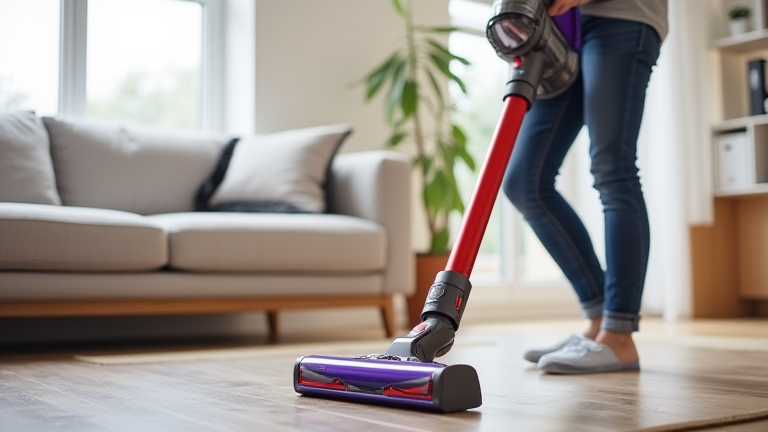
    As a collector of hand-painted porcelain figurines—from Lladró’s ethereal maidens to intricate Royal Copenhagen Flora Danica plates—I used to dread dusting. Feather dusters only redistributed particles, and vacuums felt like a wrecking ball for fragile glaze. The V15 Detect changed that. Its laser slim fluffy cleaner head casts a green light that reveals fine dust on hard surfaces, showing me exactly where my figurines’ bases and delicate folds accumulate invisible grit. More importantly, the piezo sensor counts and displays particle sizes in real time, letting me see when I’m disturbing ultrafine silica dust (the enemy of porcelain’s glossy finish) versus harmless larger debris.

    If you want to dig deeper, check out our guide on Investing in Porcelain Figurines: A Guide for Collectors.

    What truly revolutionized my care routine was the soft roller head and adjustable suction. I can dial down to low power, using the motorized soft brush to glide over a figurine’s base without chipping or scratching the glaze. The Hepa filtration means no exhaust blasts re-deposit dust onto my shelves—a critical feature when you own pieces that can’t be washed. Compared to my previous cordless model (a Dyson V11), the V15’s laser is a game-changer: the V11 had no illumination on hard floors, so I was blind to the film of talc-like dust that settles on porcelain’s crevices. The V15 also adds a torque drive head for rugs, but honestly, I only use it on entry mats—my figurines’ display area is all hard floor.

    One unexpected win: the “auto” mode ramps suction when it detects heavy debris, but for porcelain, I lock it on “eco” to avoid pulling loose decals. The motorized brush on low still lifts dust from a figurine’s painted petals without dragging them. I’ve also used the crevice tool with a microfiber sock over the nozzle to gently vacuum the inside of a porcelain vase—no water, no soap, just controlled airflow. If you own any ceramic art, this is the only vacuum I’d trust near it.

    FAQ

    Q: Can the V15 Detect damage a porcelain figurine’s paint or glaze?
    A: Only if you use high suction or the direct-drive head. On “eco” with a soft roller or a sock-covered crevice tool, it’s safe. Avoid the stiff bristle brush at all costs.

    Q: Does the laser work well on glossy white porcelain surfaces?
    A: Yes—actually, it’s ideal. The green light makes even invisible white dust appear as bright specks against the glossy glaze, so you can spot residue before it settles into micro-scratches.

    Q: Is the V15 worth upgrading from an older Dyson if I only care about delicate items?
    A: If you own fragile collectibles, absolutely. The particle counter and laser let you target dust precisely, and the adjustable suction prevents accidental damage. For general cleaning only, a cheaper model suffices.

    Related Articles

  • How to Make Porcelain Figurines: Step-by-Step Sculpting

    How to Make Porcelain Figurines: Step-by-Step Sculpting

    TL;DR: To make porcelain figurines, you shape wet porcelain clay by hand or with molds, let it dry to leather-hard, then refine details and assemble parts. Finally, you bisque-fire, glaze, and high-fire the piece to achieve its translucent, durable finish.

    How to Make Porcelain Figurines: Step-by-Step Sculpting

    Step 1: Prepare your clay and workspace. Use a fine-grained porcelain body (like cone 6 or 10). Wedge the clay thoroughly to remove air bubbles—any trapped air will explode in the kiln. Keep a spray bottle, a wire cutter, and a wooden board nearby. Cover your clay with damp cloths to prevent it from drying out while you work.

    If you want to dig deeper, check out our guide on How to Care for Porcelain Figurines: A Complete Restoration .

    Step 2: Build the armature (for complex poses). For figurines with outstretched limbs or dynamic angles, create a wire armature wrapped in newspaper or aluminum foil. This supports the clay and reduces warping. Never leave the armature inside the final piece—remove it before firing, or use a burnout wire that dissolves in the kiln.

    Step 3: Sculpt the core shapes. Start with the torso, head, and limbs as separate solid masses. Use your fingers to pinch and roll clay, then attach parts with slip (a thick clay-water paste). Score both surfaces with a needle tool before joining—this is non-negotiable for a strong bond. Keep the overall thickness under 1 cm to prevent cracking during drying.

    Step 4: Refine details at leather-hard stage. Once the clay is firm but still slightly cool to the touch (about 2–3 hours of air drying), carve facial features, drapery folds, and textures using loop tools, a rib, and a fine-point brush. Use a soft brush to smooth seams. For symmetrical items like faces or wings, use calipers to measure and adjust.

    Step 5: Dry slowly and assemble. Let the figurine dry under plastic wrap for 3–5 days. When completely bone-dry (no cold spots on the surface), attach any separately sculpted parts (hands, accessories) using thick slip, then re-dry for another 24 hours. Sand any rough edges with fine-grit sponge.

    Step 6: Bisque fire, glaze, and high fire. Fire to bisque (around 900°C/1650°F) to harden the clay. After cooling, apply 2–3 thin layers of porcelain-friendly glaze, leaving the bottom unglazed. Then high-fire to your clay’s maturation temperature (typically 1220–1280°C). Let the kiln cool slowly to avoid dunting (thermal shock).

    Pro tips: Work in a humid room to slow drying. Use a toothpick to create tiny holes for firing gases to escape. For glossy translucent figurines, apply a thin celadon or clear glaze—this enhances the porcelain’s natural luminosity.

    FAQ

    Q: Can I use air-dry clay instead of real porcelain?
    A: No—air-dry clay lacks the vitrification and translucency of porcelain. You must use a ceramic porcelain body and fire it in a kiln to achieve authentic figurine quality.

    Q: Why does my figurine crack during drying?
    A: Cracks usually come from uneven thickness or fast drying. Keep walls uniform (max 1 cm thick), cover with plastic for the first 48 hours, and dry in a draft-free, cool area.

    Q: How do I attach delicate parts like fingers or flower petals without breaking them?
    A: Sculpt those parts separately, let them dry to leather-hard, then use a needle tool to score both surfaces and join with thick slip. Support the joint with a small coil of clay on the inside, and let the piece rest for 24 hours before moving it.

    Related Articles

  • Porcelain Figurine Tutorial: Step-by-Step Guide for Beginners

    Porcelain Figurine Tutorial: Step-by-Step Guide for Beginners

    TL;DR: To craft a porcelain figurine, you’ll shape wet clay by hand or with molds, let it dry to leather-hard, assemble parts with slip, then bisque-fire, glaze, and fire again. This guide covers the essential steps, tools, and safety tips for creating your first small sculpture at home.

    Step 1: Gather Your Materials and Workspace

    For beginners, avoid throwing clay on a wheel—focus on hand-building. You’ll need: porcelain clay (white, fine-grained, less forgiving than stoneware), a small sponge, a needle tool, a wooden modeling tool, a rolling pin, a small brush, and a container of slip (clay mixed with water to a yogurt consistency). Work on a canvas or wooden board to prevent sticking. Keep a bowl of water nearby to keep your hands moist—porcelain dries fast and cracks easily if handled too dry.

    If you want to dig deeper, check out our guide on Here are a few options, all under 70 characters:

    1. **The D.

    Step 2: Design and Prepare the Base

    Start with a simple figure—a sitting cat, a small angel, or a flower. Sketch your design on paper first. Roll out a slab of clay about ½ inch thick for the base. Cut an oval or round foot using the needle tool. Smooth the edges with a damp sponge. For a hollow body, pinch a ball of clay into a bowl shape, leaving walls about ¼ inch thick. Avoid solid blocks—thick porcelain will explode in the kiln due to trapped moisture.

    Step 3: Sculpt the Main Body and Head

    Shape the torso and head separately. Use the pinch method: start with a ball, press your thumb in, and rotate while squeezing gently to create a hollow form. For the head, make a smaller hollow sphere. Attach the head to the body by scoring both surfaces with the needle tool—make cross-hatch marks—then apply slip and press firmly. Wipe away excess slip with a damp brush. Support the neck with a small coil of clay inside to prevent collapse.

    Step 4: Add Limbs, Details, and Texture

    Roll small coils for arms or legs. Score and slip each attachment point. For facial features, use the modeling tool to press eyes and a smile—do not add separate clay bits for eyes; they will fall off in firing. Add texture like folds in clothing by lightly dragging the needle tool. For wings or accessories, create flat shapes and attach while the clay is still leather-hard (damp but not sticky). Let the entire figurine dry slowly under plastic for 24–48 hours until it is bone-dry—no cool spots on the surface.

    Step 5: Bisque Fire, Clean, and Glaze

    Fire the dry piece in a kiln to cone 04 (about 1945°F) for the bisque firing. This makes the porcelain porous and sturdy. After cooling, sand any rough edges with fine sandpaper. Wipe off dust. Apply a clear or colored glaze with a brush—two thin coats are better than one thick one. Leave the bottom unglazed to avoid sticking to the kiln shelf. Let the glaze dry completely.

    Step 6: Glaze Fire and Final Polish

    Fire again to cone 6 (about 2232°F) for glossy porcelain. This is the final vitrification—the piece becomes glass-like and non-porous. After cooling, inspect for glaze pinholes. If you want a matte finish, use a matte glaze or leave unglazed porcelain—it has a natural, soft satin sheen. Polish the base with a fine abrasive pad to remove any kiln grit.

    Pro Tips for Beginners

    Always keep a spray bottle of water to mist your piece during sculpting—porcelain dries faster than stoneware. Work in small sessions, covering unused clay with damp cloths. If a part breaks, reattach with slip and let it dry before firing; don’t try to fix cracks after bisque fire. Finally, never rush drying—a hair dryer will cause warping or cracks.

    Related Articles