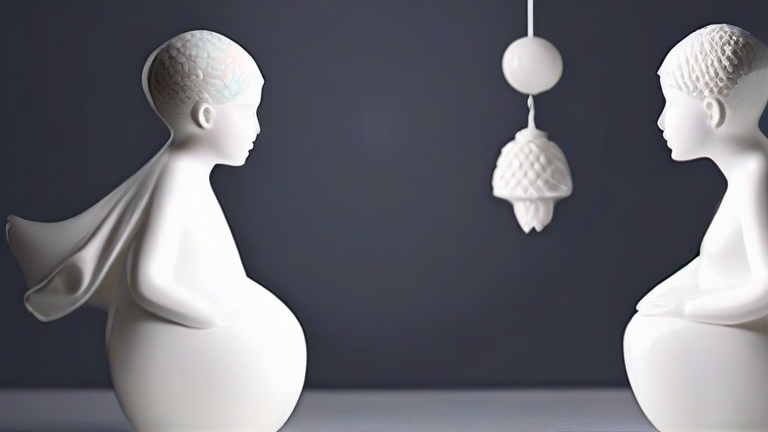
TL;DR: Modern, high-quality porcelain figurines are generally safe because they use lead-free glazes and kiln-fired at high temperatures. However, vintage or unglazed pieces may pose risks due to potential lead leaching or heavy metal exposure, requiring careful handling and storage.
Understanding the Material Safety
Porcelain is a type of ceramic clay fired at extremely high temperatures, typically between 1,200 and 1,400 degrees Celsius. This intense heat vitrifies the clay, making it non-porous and chemically stable. In contemporary manufacturing, reputable artisans and factories strictly adhere to safety regulations, utilizing glazes that are free of lead and cadmium. Therefore, the vast majority of modern figurines sold in retail stores are inert and pose no health threat to adults or children when kept in standard display conditions. The primary concern arises not from the porcelain body itself, but from decorative elements or older manufacturing practices that may have utilized toxic compounds for vibrant colors or metallic finishes.
If you want to dig deeper, check out our guide on Collecting Porcelain Figurines: A Guide to Sculpture Value.
Identifying Potential Hazards
The most significant risk factor is age. Figurines produced before the 1970s, particularly those with bright reds, yellows, or greens, may contain lead-based pigments. While the lead is locked within the glaze, physical damage such as chips, cracks, or scratches can expose the underlying toxic materials. Additionally, “cold paint” or decal transfers applied to porcelain after firing are more likely to contain heavy metals than integrated glazes. It is crucial to distinguish between the ceramic material and the surface treatments. If a figurine feels chalky, powdery, or has a distinct metallic smell, it may be a sign of degraded glaze or unsafe additives. Regular inspection for physical integrity is a vital lifestyle habit for collectors to ensure their environment remains toxin-free.
Safe Handling and Storage Tips
To mitigate any potential risks, adopt a few simple hygiene practices. Always wash your hands thoroughly after handling collectibles, especially if you have chipped pieces. Avoid placing porcelain figurines on surfaces that can be easily scratched, as abrasion can compromise the protective glaze layer. For vintage items, consider professional cleaning by a conservator who can assess the stability of the glaze without using harsh chemicals. Store fragile pieces in dust-covered environments, as dust accumulation can harbor allergens that may be inhaled over time. If you have small children or pets, keep collectibles on high, sturdy shelves or inside glass display cases to prevent accidental breakage and ingestion of potential debris. This proactive approach ensures that your passion for art does not compromise your household’s well-being.
FAQ
Q: Can lead leach from an intact porcelain figurine?
A: No, lead does not leach from intact, fully vitrified glazes because the material is non-porous and sealed; only damaged surfaces pose a risk.
Q: How do I test if my figurine is lead-free?
A: You can use a home lead test kit on a non-visible area of the glaze, though professional X-ray fluorescence testing is the most accurate method for definitive results.
Q: Is it safe to display vintage porcelain outdoors?
A: It is not recommended because exposure to rain and humidity can degrade the glaze over time, potentially releasing toxins and damaging the structural integrity of the piece.
Leave a Reply