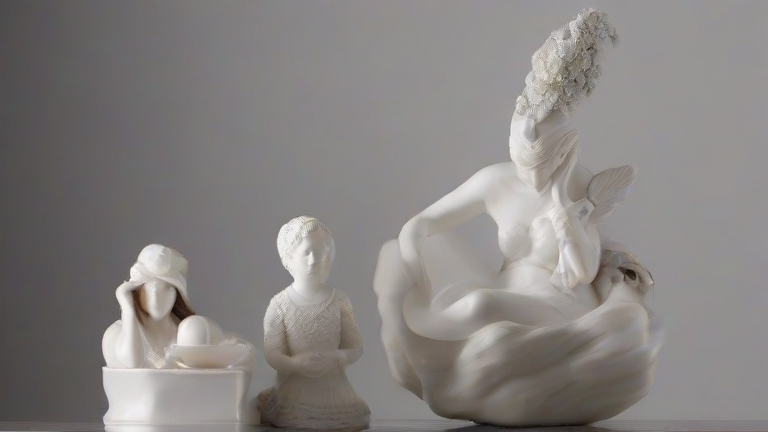
Collecting Porcelain Figurines: A Guide to Sculpture Value
TL;DR: The value of porcelain figurines is determined primarily by provenance, condition, and manufacturer rarity rather than mere age. Investors should prioritize authenticated pieces from prestigious makers like Meissen or Royal Doulton with complete, unchipped surfaces to maximize long-term appreciation.
For many art enthusiasts, the world of porcelain sculpture offers a unique blend of aesthetic beauty and financial potential. However, navigating the market requires a discerning eye for detail and an understanding of the factors that drive demand. Unlike mass-produced decorative items, high-value porcelain figurines are often limited-edition works of art, each possessing a distinct narrative and historical context. This guide explores the essential features that define a valuable piece and compares different collecting strategies to help you build a robust portfolio.
If you want to dig deeper, check out our guide on Why Every Fitness Influencer Is Wearing Compression Wear.
Key Features That Drive Value
When assessing a porcelain figurine, the first feature to examine is the manufacturer’s mark. Prestigious kilns such as Sèvres, Meissen, and Limoges command higher prices due to their centuries-old reputations for technical excellence. The second critical feature is the condition of the glaze and body. Porcelain is a fired ceramic material, making it susceptible to hairline cracks, known as crazing, or chips from minor impacts. A pristine piece with no restorations will always outperform one with visible flaws, as restoration can significantly reduce authenticity perceptions and resale value.
Additionally, the subject matter plays a crucial role. Figurines depicting famous literary characters, historical figures, or iconic animals like cats and dogs often have deeper market penetration. The scale of the sculpture also matters; larger pieces require more clay and longer firing times, often commanding a premium due to the increased risk of manufacturing defects. Finally, the original packaging, including the certificate of authenticity and the original box, adds a layer of provenance that reassures buyers about the item’s origin and history.
Comparing Collecting Strategies
Collectors generally fall into two categories: those who pursue vintage antiques and those who invest in contemporary limited editions. Vintage pieces, particularly those from the late 19th and early 20th centuries, offer a tangible connection to history. These items often appreciate steadily over time, especially if they are from discontinued series. However, they require rigorous authentication to avoid counterfeits, which are prevalent in the antique market.
Conversely, contemporary porcelain sculptures from modern artists can offer higher initial growth potential. These pieces are often signed and numbered, providing clear provenance. They appeal to younger collectors who value artistic innovation over historical significance. While vintage pieces tend to be more stable, contemporary works can see rapid price fluctuations based on the artist’s current fame. A balanced portfolio might include a mix of both, leveraging the stability of antiques and the growth potential of modern art.
Start Your Collection Today
Building a valuable collection of porcelain figurines is a journey that requires patience, research, and passion. Begin by identifying a specific niche that interests you, whether it is a particular manufacturer or a specific theme. Always buy from reputable dealers or auction houses that provide guarantees. Inspect every piece under bright light to check for flaws and verify marks. By focusing on quality and provenance, you can transform a hobby into a sophisticated investment. Visit our curated gallery today to discover exceptional porcelain sculptures that blend artistic merit with financial promise.
FAQ
Q: How do I verify the authenticity of a porcelain figurine?
A: Check for the manufacturer’s mark, usually on the bottom, and compare it with official records. Consulting with a certified appraiser or using authentication services from major auction houses is also highly recommended.
Q: Does the size of the figurine affect its value significantly?
A: Yes, larger sculptures are rarer due to the difficulty in firing large pieces without cracking. Consequently, they often command higher prices than smaller counterparts of the same design.
Q: Are restored porcelain figurines worth collecting?
A: While restored pieces
Leave a Reply