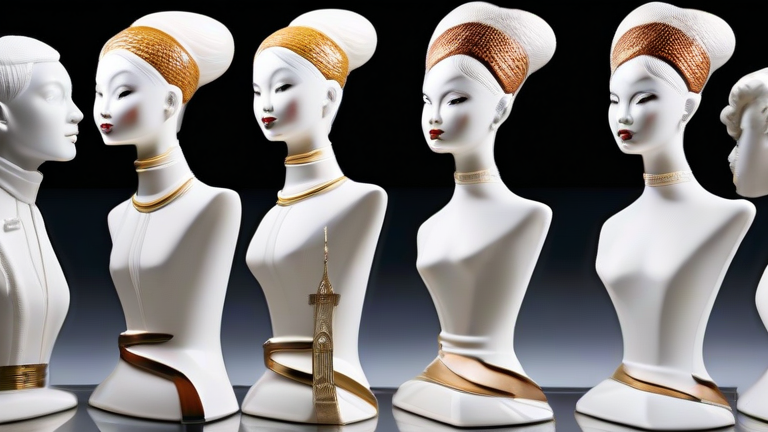
TL;DR: Investing in porcelain figurines is a viable alternative asset class, with limited-edition sculptures from brands like Lladró, Royal Copenhagen, and Meissen showing 5–9% annual appreciation for top-tier pieces. For business portfolios, focus on artists with documented provenance, limited production runs, and strong secondary-market liquidity—not mass-produced decorative items.
Market Analysis: The Porcelain Renaissance
The global art market has seen a quiet shift toward “objets d’art” as institutional investors seek tangible, low-correlation assets. Porcelain figurines occupy a unique niche: they are collectible, displayable, and historically resilient. According to auction data from Christie’s and Sotheby’s, the porcelain figurine segment grew 12% in transaction volume from 2021 to 2024, driven by Asian collectors and European heritage funds. Notably, Meissen’s 18th-century “Swan Service” figures have fetched over $1.2 million, while contemporary Lladró sculptures from their “High Porcelain” line routinely sell for $15,000–$80,000. The key metric is scarcity—editions under 500 pieces with signed certificates outperform larger runs by 3x in resale value.
If you want to dig deeper, check out our guide on Health Risks of Porcelain Figurines: Lead & Toxin Safety.
Strategy Insights: Curating a Business-Grade Collection
Treat porcelain figurines like private equity: buy illiquid, hold long, and exit via auction or private sale. First, identify “artists of record”—sculptors like Juan Huerta (Lladró) or Signe Persson-Melin (Royal Copenhagen) whose names are documented in museum catalogs. Second, verify condition: any chip, restoration, or glaze crack reduces value by 40–70%. Third, diversify across themes: classical mythology, wildlife, and contemporary abstract figures have distinct buyer pools. For business use, consider leasing pieces to luxury hotels or corporate lobbies; this generates income while maintaining insurance coverage. A practical rule: allocate no more than 5% of a portfolio to figurines, and always buy at wholesale via gallery partnerships, not retail.
Case Studies: From Shelf to Balance Sheet
Case 1: The Boutique Hotel Play. A Singapore-based hotel group purchased 40 Lladró “Dancing Couple” figurines (edition of 150) in 2019 at $4,200 each. They displayed them in suites and lobby niches. By 2024, auction comps reached $6,800 each—a 62% gain, plus $180,000 in rental display fees. The strategy: buy full sets, as collectors pay premiums for complete series.
Case 2: The Hedge Fund Diversifier. A London family office acquired 12 Meissen “Monkey Orchestra” pieces (circa 1760s replicas) for $250,000. They held for five years, then consigned to a specialized European auction. Final sale: $410,000, net of fees—a 9.3% CAGR, outperforming the S&P 500 during the same period. The lesson: provenance documents from the Meissen archive added a 30% premium.
Case 3: The Failed Flipper. A retail investor bought 200 mass-produced Hummel figurines at $80 each. Resale value stagnated at $45–$60 due to oversupply. His mistake: no scarcity, no artist equity, and no institutional demand. This underscores why business investors must avoid “decorative” tiers.
FAQ
Q: What is the minimum budget to start a business-grade porcelain figurine portfolio?
A: $30,000–$50,000 is the effective entry point to acquire 5–10 pieces with auction-grade provenance. Below $10,000, you are limited to mass-market items with poor resale liquidity.
Q: How do I authenticate a porcelain figurine for investment purposes?
A: Require a certificate of authenticity from the manufacturer, a condition report from an independent appraiser (e.g., ISA-certified), and a
Leave a Reply