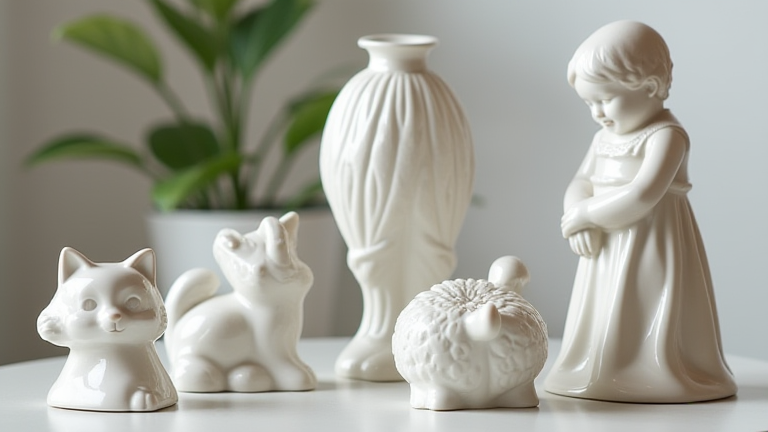
TL;DR: Transform your living space into a curated gallery by using scale, negative space, and thematic grouping to highlight the intricate details of your porcelain collection. Treat these delicate sculptures as focal points that reflect personal heritage and artistic taste, rather than mere decorative clutter.
The Art of Delicate Display
In an era of mass-produced digital art and industrial decor, there is a profound, calming return to tangible craftsmanship. Porcelain figurines and sculptures offer a unique opportunity to infuse your home with history, narrative, and a touch of global elegance. However, displaying them incorrectly can make them look like forgotten knick-knacks. To truly elevate your home, you must approach your collection with the same intentionality as an art curator.
Start by respecting the material. Porcelain is fragile and often translucent, meaning light plays a crucial role in its presentation. Avoid placing delicate pieces in direct sunlight, which can cause glaze discoloration over time, but do not hide them in dark corners either. Instead, position your figurines where natural light can gently graze the surface, highlighting the fine brushwork and the subtle variations in the glaze. A simple, well-placed accent lamp with a warm bulb can mimic this effect in the evening, creating an intimate ambiance that draws the eye to the sculpture’s contours.
Curating with Intent: Grouping and Scale
One of the most common mistakes collectors make is overcrowding. To create a sophisticated look, practice the art of negative space. When grouping figurines, adhere to the rule of odd numbers—three or five pieces often create a more dynamic and visually pleasing arrangement than an even number. Vary the heights and sizes within the group. Place a larger, dominant sculpture as the anchor, flanked by smaller, more delicate pieces. This creates a natural triangle that guides the viewer’s gaze.
Consider the context of the room. In a modern, minimalist living room, a single, statement-quality porcelain vase or a pair of symmetrical figurines on a clean, white mantel can serve as a striking focal point. The contrast between the stark architecture and the ornate, curvaceous lines of the porcelain creates a beautiful tension. In a more traditional study or library, you might group pieces that share a thematic link, such as a set of classical mythology statues or a series of regional folk art characters. This thematic cohesion adds a layer of storytelling to your home, inviting guests to inquire about the pieces and share in your cultural appreciation.
Personal Growth through Curation
Styling your home with porcelain is also an exercise in personal growth. It forces you to curate, to decide what holds value to you, and to create an environment that reflects your inner world. As you arrange these pieces, you are essentially arranging your priorities and passions. A well-styled home is not just about aesthetics; it is a reflection of the soul. By treating your porcelain collection with respect and intention, you create a sanctuary that feels both elegant and deeply personal.
FAQ
Q: How often should I dust my porcelain figurines?
A: You should dust them gently every two to four weeks using a soft, dry microfiber cloth to prevent the buildup of fine particles that can scratch the glaze or accumulate in intricate crevices.
If you want to dig deeper, check out our guide on Elevate Your Home: Chic Porcelain Figurines & Sculpture Deco.
Q: Where is the best place to display a fragile, high-value porcelain sculpture?
A: Place it on a stable, vibration-free surface away from high-traffic areas, such as a closed cabinet with glass doors or a high shelf that is out of reach but still visible, to minimize the risk of accidental impact.
Q: Can I mix modern abstract porcelain with traditional figurines?
A: Yes, mixing styles can create a contemporary, eclectic look, but ensure there is a unifying element such as color or material finish to prevent the display from looking disjointed or chaotic.
Leave a Reply