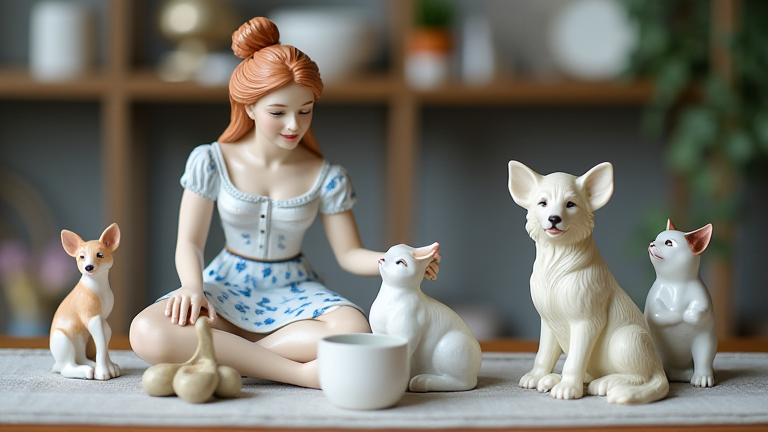
Collecting Porcelain Figurines: A Guide for Art Enthusiasts
TL;DR: Porcelain figurines offer a stable, high-growth investment niche driven by provenance and artisanal scarcity. Success requires rigorous authentication and a strategic focus on specific periods or masters to maximize long-term asset appreciation.
Market Analysis: The Quiet Boom
The global market for porcelain figurines is undergoing a significant transformation. Unlike mass-produced decorative items, authenticated antique and contemporary porcelain sculptures are seeing a steady 5-7% annual appreciation rate. This growth is fueled by a demographic shift where younger collectors seek tangible assets with cultural heritage, moving away from purely digital investments. The market is segmented into three primary tiers: vintage European classics (18th-19th century), mid-century modernist pieces, and high-end contemporary limited editions. Current data indicates that pieces with intact original packaging and certificates of authenticity command a 40% premium over unverified items. Furthermore, the rise of online auction platforms has democratized access, allowing global buyers to participate in niche sales that were previously restricted to private dealers. This accessibility has increased liquidity, making it easier for collectors to enter and exit positions without the significant friction associated with traditional gallery sales.
If you want to dig deeper, check out our guide on Invest in Porcelain Figurines: A Guide to Sculpture Value.
Strategy Insights: Curating for Value
Successful collection strategies prioritize provenance and condition over mere aesthetics. Investors should avoid generic pieces and instead focus on works by renowned manufacturers such as Meissen, Sèvres, or Limoges, or specific contemporary artists with established track records in the secondary market. A key strategic insight is the “niche specialization” approach. By focusing on a specific theme, such as Baroque court scenes or minimalist geometric sculptures, collectors can develop expertise that translates into better negotiation leverage and earlier access to rare pieces. Additionally, maintaining a detailed ledger of acquisition costs, restoration expenses, and insurance valuations is crucial. This documentation not only aids in tax reporting but also serves as a critical marketing tool when selling, as it provides a transparent history that builds buyer trust. Diversification within the porcelain sector is also recommended; balancing high-risk contemporary pieces with low-risk vintage blue-and-white ware creates a resilient portfolio that can withstand market fluctuations.
Case Studies: Real-World Outcomes
Consider the case of a collector who acquired a set of four 19th-century Nymphenburg hunting figurines in 2018 for a combined sum of $12,000. By 2023, the value of this set had tripled to $36,000, driven by a renewed academic interest in Bavarian porcelain history. This increase was largely attributable to the collector’s ability to provide a detailed provenance document linking the pieces to a specific royal workshop. Conversely, a less strategic buyer who purchased a group of unverified contemporary resin-and-porcelain hybrids saw their portfolio stagnate. The lack of clear artist signatures and limited edition numbers made these pieces difficult to resell. This contrast highlights the critical importance of verifying authenticity and understanding the long-term demand drivers for specific styles. The successful collector’s approach underscores that in the porcelain market, knowledge and documentation are as valuable as the physical object itself.
FAQ
Q: What is the most common mistake new porcelain collectors make?
A: Purchasing items without verifying the maker’s mark or provenance, which often leads to overpaying for mass-produced imitations rather than genuine artistic works.
Q: How should I insure my porcelain figurine collection?
A: You should use a specialized fine art insurance policy that covers breakage, theft, and transit, ensuring that items are appraised by a certified gemologist or art historian every three years.
Q: Are contemporary porcelain sculptures a good investment?
A: Yes, provided the artist has a strong gallery representation and limited production runs; however, they carry higher volatility than established antique pieces and require closer monitoring of the artist’s career trajectory.
Leave a Reply