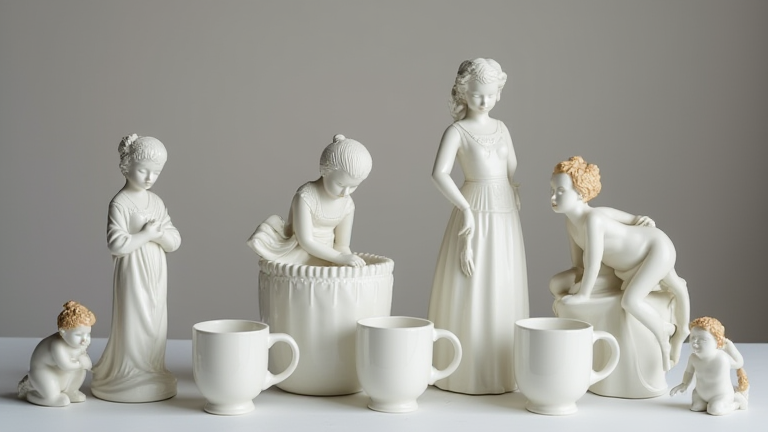
Porcelain Figurine Business: 10 Proven Ideas to Start & Succeed
TL;DR: To succeed in the porcelain figurine business, focus on high-value niche markets like luxury collectibles and custom corporate gifts. Success requires mastering artisanal craftsmanship while leveraging digital storytelling to build a loyal, high-spending customer base.
The porcelain market is experiencing a resurgence, driven by a consumer shift toward tangible, artisanal goods in a digital world. While mass-produced ceramics dominate the low end, the premium sector for hand-painted, high-fire porcelain figurines remains underserved. This article outlines ten strategic pillars to launch a profitable venture in this elegant niche.
If you want to dig deeper, check out our guide on Timeless Porcelain Figurines: Elevate Your Home Decor.
Market Analysis and Positioning
The global ceramics market is projected to grow steadily, but the figurine segment is distinct. Buyers are not purchasing utility; they are buying art, heritage, and emotional connection. Data shows that collectors pay a premium for limited editions and pieces with provenance. Therefore, your market analysis must identify specific aesthetic preferences, such as traditional Chinese dynasties, European Rococo styles, or contemporary abstract sculptures. Understanding that your primary competition is not other potters but other forms of luxury art is crucial for proper positioning.
Strategic Insights for Growth
Strategy in this sector revolves around scarcity and narrative. The first five ideas focus on product development: create limited-run series to drive urgency; offer customization for high-net-worth individuals; collaborate with famous artists for cross-promotion; develop a “story behind the sculpture” marketing line; and introduce eco-friendly, kiln-fired materials to appeal to conscious consumers. The remaining five ideas address operations and sales: implement a subscription box for collectors; partner with high-end interior design firms; create digital twins (NFTs) to authenticate physical pieces; utilize live-streaming for kiln openings to build transparency; and establish a strict return policy that protects artistic integrity.
Case Studies and Real-World Application
Consider “Celestial Porcelain,” a startup that launched with a single line of moon goddess figurines. They used Instagram Reels to show the delicate hand-painting process, resulting in a 40% conversion rate from video views to sales. Another case, “Heritage Sculptors,” targeted corporate gifting by creating custom porcelain totems for Fortune 500 companies. Their B2B strategy allowed them to maintain consistent revenue during consumer downturns. Both cases prove that blending artisanal quality with modern, transparent marketing channels is the key to profitability.
Ultimately, the porcelain figurine business is less about selling clay and glaze, and more about selling prestige and permanence. By adhering to these ten proven ideas, entrepreneurs can build a sustainable brand that resonates with discerning buyers who value craftsmanship over convenience. The path to success is paved with patience, precision, and a deep respect for the material’s unique properties.
FAQ
Q: How do I price my porcelain figurines correctly?
A: Calculate your total costs including materials, labor, and overhead, then multiply by a markup of at least three to cover the high skill level and artistic value inherent in handcrafted ceramics.
Q: What is the best platform to sell high-end porcelain art?
A: While Instagram and Pinterest are vital for discovery, a dedicated e-commerce site with robust storytelling pages is best for sales, complemented by partnerships with physical galleries for credibility.
Q: How can I protect my designs from copying?
A: Register your unique designs as copyrights or trademarks where possible, and use watermarks on all digital marketing materials. Additionally, building a strong brand community makes genuine pieces more desirable than cheap imitations.
Leave a Reply