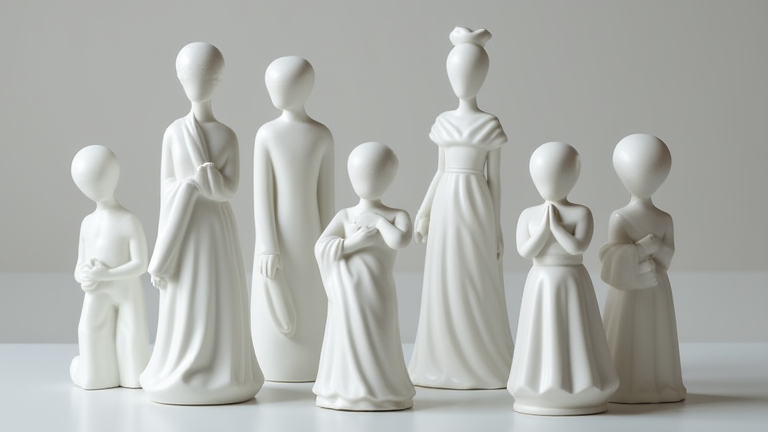
TL;DR: Porcelain figurines enhance mental well-being by providing visual calm and a sense of curated aesthetic order, which can lower stress levels. To ensure safety, display them on stable surfaces away from high-traffic areas to prevent accidents, and clean them gently to avoid chemical damage or skin irritation.
The Psychological Impact of Curated Beauty
In modern health and wellness practices, the environment plays a critical role in mental stability. Research in environmental psychology suggests that surrounding oneself with aesthetically pleasing objects can reduce cortisol levels. Porcelain figurines, with their smooth textures and delicate forms, serve as focal points that encourage mindfulness. Unlike digital screens, these inanimate sculptures offer a static, non-intrusive visual anchor. When you place a small porcelain cat or a classical dancer in your workspace, you create a “micro-sanctuary.” This practice aligns with the concept of “biophilia,” though adapted for anthropogenic objects. The act of curating these pieces allows for a moment of intentional pause, breaking the cycle of rapid information consumption that often leads to anxiety. By observing the fine details of a glazed surface, the mind shifts from reactive thinking to a state of calm observation, promoting a sense of peace and control over one’s immediate surroundings.
If you want to dig deeper, check out our guide on Porcelain Figurines: Timeless Beauty & Collectible Value.
Safety and Hygiene Considerations
While aesthetically beneficial, porcelain items require specific care to maintain a safe living environment. Porcelain is fragile, and accidental drops can cause shards that pose a significant injury risk, particularly for children and pets. Therefore, safe display tips are paramount. Always place figurines on sturdy, level shelves or tables that are not near open windows or high-traffic pathways. If you have young children, consider using glass display cases with secure latches to prevent tipping or grabbing. From a hygiene perspective, porcelain is generally non-porous, making it easier to clean than wood or fabric. However, avoid using abrasive cleaners or harsh chemicals, as these can degrade the glaze and potentially release unwanted micro-particles or chemicals into the air. Dust them with a soft, dry microfiber cloth to prevent the buildup of dust, which can be a trigger for allergies. Regular inspection for hairline cracks is also essential, as these weak points can expand over time, leading to breakage. By maintaining the integrity of your collection, you ensure that your wellness aid remains a source of comfort rather than a potential hazard.
Integrating Art into Daily Wellness
Incorporating porcelain sculptures into your daily routine can be a simple yet effective wellness habit. Start small by selecting one or two pieces that resonate with your personal interests. Rotate them seasonally to keep your visual environment fresh and engaging. This rotation prevents visual fatigue and keeps the mind active. Additionally, consider the placement based on lighting. Natural light can enhance the translucency of fine porcelain, creating a soothing glow during the day. At night, use soft, warm artificial lighting to avoid glare. Remember, the goal is not to collect excessive amounts but to create a harmonious balance. A clutter-free space with a few meaningful sculptures supports clarity of thought and emotional balance. By treating these objects with care and intention, you transform a simple decorative choice into a sustainable health and wellness practice.
FAQ
Q: Are porcelain figurines safe for people with allergies?
A: Yes, high-quality porcelain is generally hypoallergenic and non-porous, making it a safe choice for allergy sufferers, provided it is kept clean and dust-free.
Q: How should I clean my porcelain sculptures without damaging the glaze?
A: Use a soft, dry microfiber cloth for regular dusting; if necessary, use a slightly damp cloth with mild soap, but never use abrasive scrubbers or harsh chemical cleaners.
Q: Can displaying art actually reduce stress levels?
A: Yes, studies suggest that viewing aesthetically pleasing objects can lower cortisol levels and promote a state of calm, helping to reduce overall stress and anxiety.
Leave a Reply