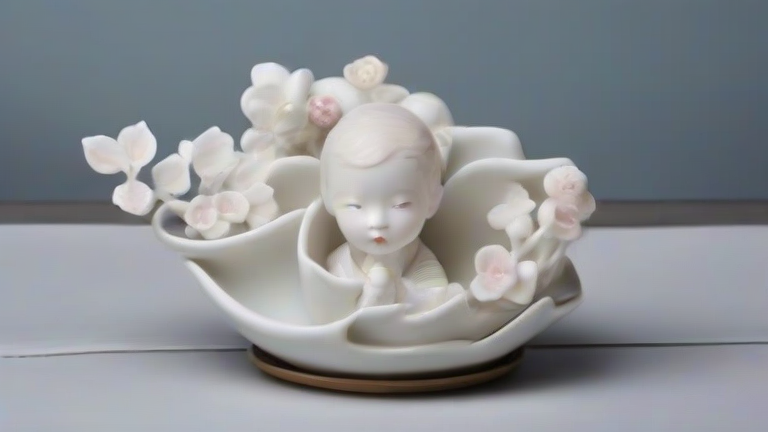
TL;DR: Porcelain figurines are generally safe for health when handled with basic hygiene, as modern ceramics are non-toxic and stable. The primary health risks stem from dust accumulation and potential lead leaching only in antique or improperly glazed items, not from the figurines themselves.
The Allure of Ceramic Art
Collecting porcelain figurines and sculptures is a beloved hobby for millions worldwide. These delicate pieces add aesthetic value to homes and offices, evoking calm and creativity. However, recent online forums have sparked debates about the potential health impacts of keeping these decorative items indoors. Is it just a myth, or are there legitimate scientific concerns? To understand this, we must look at the material composition, environmental factors, and proper maintenance practices.
If you want to dig deeper, check out our guide on Elevate Your Home: Top Porcelain Figurines for Modern Living.
Material Safety and Toxicology
Modern porcelain is fired at extremely high temperatures, typically over 1,200 degrees Celsius. This process vitrifies the clay, making it dense, non-porous, and chemically inert. Consequently, contemporary figurines from reputable manufacturers do not leach harmful substances into the air. The major concern often cited is lead. Historically, lead-based glazes were used to achieve vibrant colors and a glossy finish. In antiques or poorly regulated imports, lead can migrate onto the surface if the glaze is cracked or worn. However, current international safety standards strictly regulate lead content in decorative ceramics. If you own vintage pieces, avoid placing them in areas where they might be ingested by children or pets, and consider having older items tested by a professional laboratory if you suspect damage.
Allergens and Dust Accumulation
The most immediate and common health impact of displaying porcelain figurines is not toxicological but allergenic. Like any decorative object, sculptures accumulate dust, pollen, and pet dander over time. For individuals with asthma, allergies, or compromised respiratory systems, a dusty collection can exacerbate symptoms. The intricate details of figurines create numerous small crevices where dust mites can thrive. Regular cleaning is therefore essential for maintaining a healthy indoor environment. Using a microfiber cloth or a soft brush weekly can prevent the buildup of particulate matter. Additionally, ensure that the figurines are not placed in high-humidity areas like bathrooms, as moisture can encourage mold growth on organic components, such as wooden bases or fabric accents, which may accompany some sculptures.
Psychological Benefits of Decorative Art
On the positive side, scientific studies suggest that surrounding oneself with aesthetic objects can improve mental well-being. Engaging with art, even passively, can reduce stress and increase feelings of calm. Porcelain figurines, with their often intricate and beautiful designs, can serve as focal points for mindfulness. The act of curating and caring for a collection can also provide a sense of purpose and routine, which are key components of a healthy lifestyle. This psychological boost can contribute to better sleep and reduced anxiety levels. Therefore, the mental health benefits of enjoying your collection often outweigh the minimal physical risks, provided that proper maintenance is observed.
Practical Lifestyle Tips
To ensure your porcelain collection remains a source of joy rather than health concern, adopt these simple habits. First, establish a regular cleaning schedule to minimize dust exposure. Second, store antique or delicate pieces in a closed cabinet when not on display to protect them from accidental damage and reduce dust collection. Third, be mindful of the source of your figurines. Purchase from reputable dealers who adhere to modern safety standards. Finally, if you experience unexplained respiratory issues after adding new decorations to your space, consider removing them temporarily to see if symptoms improve. This simple elimination method can help identify if a specific item or material is a trigger.
FAQ
Q: Do modern porcelain figurines release toxic fumes?
A: No, modern porcelain is fired at high temperatures that make the material chemically stable and inert, meaning it does not release volatile organic compounds or toxic fumes under normal indoor conditions.
Q: Is it safe to have antique porcelain figurines in a nursery?
A: It is generally not recommended due
Leave a Reply