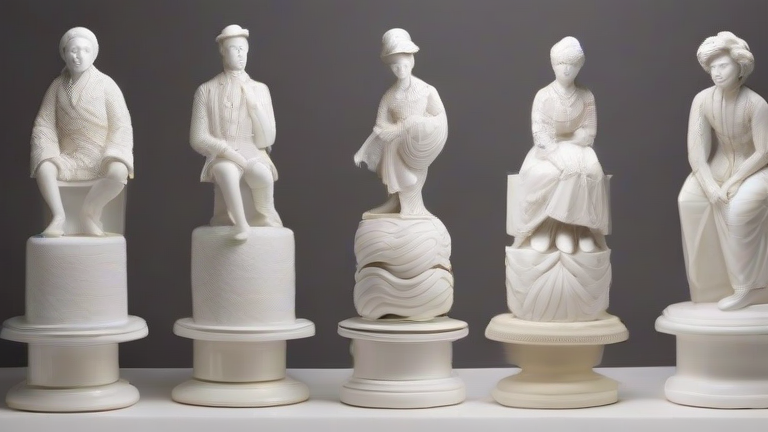
TL;DR: The top ten porcelain figurines and sculptures for collectors range from iconic Meissen horse heads to modern minimalist busts, offering diverse styles and investment potential. This guide highlights key features, compares major brands, and provides actionable advice for building a curated collection.
Porcelain art has long been revered for its translucency, durability, and intricate detailing. Whether you are a seasoned collector or a novice enthusiast, selecting the right pieces requires an understanding of craftsmanship, provenance, and aesthetic value. This article explores the top ten types of porcelain figurines and sculptures that define current market trends, helping you make informed purchasing decisions.
If you want to dig deeper, check out our guide on Porcelain Figurines & Sculptures: Elevate Your Business.
Feature Highlights: What Makes These Pieces Special
When evaluating high-end porcelain, several features stand out. First, consider the glaze. A high-fired glaze, such as those found in Limoges or Meissen ware, provides a glossy, hard surface that resists chipping and retains color vibrancy over decades. Second, examine the backstamp. Authentic pieces from reputable manufacturers like Sèvres, Royal Doulton, or Bing & Grondahl feature distinct backstamps that indicate the year of manufacture and origin. These marks are crucial for verifying authenticity and estimating value. Third, pay attention to the level of hand-painting. Mass-produced items often use decal transfers, which can lack the subtle shading and brushstroke variations of hand-painted pieces. Hand-painted figurines, particularly those from European ateliers, command higher prices due to the artist’s skill and the uniqueness of each piece. Finally, assess the structural integrity. Look for hairline cracks or “crazing” in the glaze, which can compromise the structural stability of delicate elements like limbs or tails. A well-crafted piece will have balanced weight distribution and secure attachment points for any movable parts.
Comparisons: Classic vs. Contemporary Styles
The world of porcelain collectibles is divided broadly into classic and contemporary categories. Classic pieces, such as the Meissen Horse Head or the Royal Doulton “Squirrel” series, appeal to traditionalists who value historical significance and intricate detail. These items often feature realistic animal forms or mythological characters, rendered with exquisite precision. They tend to hold their value well, especially if they are from limited production runs or discontinued lines. In contrast, contemporary sculptures, such as those by modern artists like Jeff Koons or local studio potters, focus on abstract forms, bold colors, and conceptual themes. These pieces are often one-of-a-kind or part of very small editions, making them more exclusive. While classic pieces are safer bets for long-term investment, contemporary works offer greater creative expression and can serve as conversation starters in modern interiors. For collectors, the ideal portfolio often balances both, combining the stability of classic antiques with the excitement of modern art. Additionally, size and display requirements should be considered; larger sculptures require more space and specialized lighting to showcase their three-dimensional qualities, whereas smaller figurines can be easily integrated into existing shelf arrangements.
Call-to-Action: Start Your Collection Today
Ready to elevate your home decor or investment portfolio? Begin by identifying a specific niche that resonates with your personal taste, whether it is historical animals, floral arrangements, or modern abstract forms. Research reputable auction houses and online marketplaces that specialize in porcelain to find authentic pieces. Always verify backstamps and consult with experts before making high-value purchases. Join collector forums or local clubs to network with other enthusiasts and gain insights into market trends. Start with a modest investment and gradually expand your collection as your knowledge grows. Remember, the joy of collecting lies not just in ownership, but in the story each piece tells. Explore the top ten recommendations above and find the piece that speaks to your soul. Your perfect porcelain companion is waiting to be discovered.
FAQ
Q: How do I clean porcelain figurines safely?
A: Gently dust with a soft, dry brush and wipe with a barely damp cloth, avoiding harsh chemicals or soaking in water.
Q: What is the most valuable type of porcelain figurine?
A: Rare, hand-painted pieces from prestigious manufacturers like
Leave a Reply