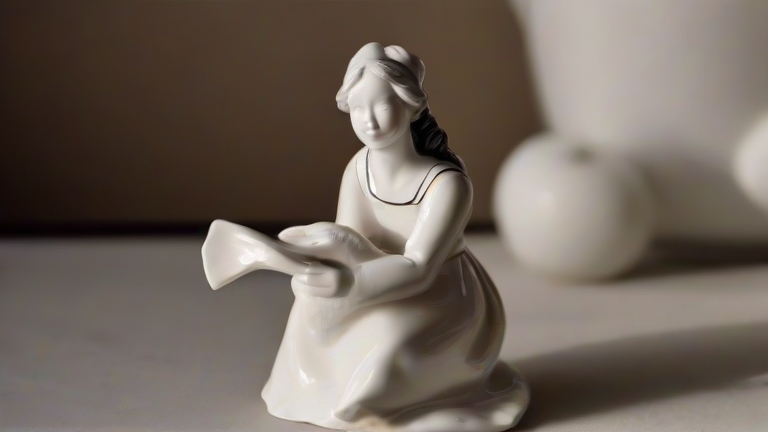
How to Clean Porcelain Figurines: Step-by-Step Restoration Guide
TL;DR: Gently clean porcelain figurines using lukewarm water and a mild, pH-neutral soap with a soft, lint-free cloth. Avoid abrasive materials and harsh chemicals to preserve the delicate glaze and painted details of your collectibles.
Porcelain is a delicate material that requires careful handling to maintain its aesthetic value and structural integrity. Whether you are restoring a vintage figurine or maintaining a modern sculpture, proper cleaning techniques are essential to prevent damage. This guide provides a comprehensive approach to cleaning porcelain pieces safely, ensuring they retain their luster and color for generations.
Step 1: Preparation and Inspection
Before beginning, thoroughly inspect your figurine for any existing cracks, chips, or loose parts. If the piece is broken, consult a professional conservator before attempting any cleaning. Work in a well-lit area with a soft surface covered by a towel or blanket to cushion the figurine against accidental drops. Remove any dust or debris from the surface using a soft, dry brush, such as a clean makeup brush or a soft-bristled paintbrush. This preliminary step prevents grit from scratching the glaze during the wet cleaning process.
Step 2: Gentle Washing
Fill a basin with lukewarm water, not hot, as extreme temperatures can shock the porcelain and cause thermal shock. Add a small amount of mild, pH-neutral dish soap or specialized porcelain cleaner. Avoid using detergents with bleach or strong fragrances, as these can degrade the paint and glaze over time. Dip a soft, lint-free microfiber cloth into the soapy water, wring it out until it is damp but not dripping, and gently wipe the figurine. Pay special attention to recessed areas and crevices where dirt tends to accumulate. Use a soft-bristled toothbrush for intricate details, applying minimal pressure to avoid scrubbing away the painted surface.
Step 3: Rinsing and Drying
Rinse the figurine under a gentle stream of lukewarm water or dip it in clean water to remove all soap residue. Soap residue can leave a hazy film on the glaze, dulling its appearance. Immediately dry the piece with a clean, soft, lint-free cloth. Pat the surface gently rather than rubbing to prevent micro-scratches. Allow the figurine to air dry completely in a dust-free environment before displaying it. Ensure that no water remains in hidden crevices, as trapped moisture can lead to mold or weakening of the structure if the porcelain is unglazed in those areas.
Step 4: Protection and Storage
Once clean and dry, consider applying a thin layer of microcrystalline wax if the piece is unglazed or has a matte finish, but avoid this for glossy glazed pieces. For display, keep the figurine away from direct sunlight, which can fade the colors, and high-humidity areas, which can promote mold growth. When storing, wrap the figurine in acid-free tissue paper and place it in a padded box to prevent collisions with other items.
Tips for Long-Term Care
Handle your porcelain figurines by their base or thick parts rather than thin extremities like arms or legs. Avoid using glass cleaner, vinegar, or baking soda, as these are too acidic or abrasive for delicate glazes. Regular dusting with a dry, soft brush is often sufficient for maintenance, reducing the need for frequent wet cleaning.
FAQ
Q: Can I use vinegar to clean old porcelain figurines?
A: No, vinegar is acidic and can etch the glaze or dissolve paint, causing permanent damage to the figurine’s surface.
If you want to dig deeper, check out our guide on Can Porcelain Figurines Affect Your Health? Myths & Facts.
Q: What should I do if my porcelain figurine has a crack?
A: Do not attempt to clean or repair it yourself; seek professional conservation services to assess the structural stability and perform proper repairs.
Q: How often should I wash my porcelain sculptures?
A: Only wash when necessary, typically once or twice a
Leave a Reply