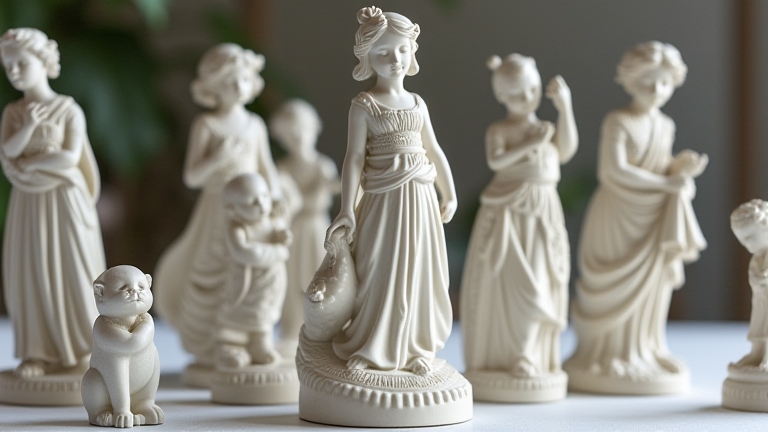
Handcrafted Porcelain Figurines: A Guide to Collectible Art & Business
TL;DR: The global market for handcrafted porcelain figurines is experiencing a robust resurgence driven by a consumer desire for tangible, artisanal luxury in a digital age. Success in this niche requires a strategic blend of limited-edition scarcity, provenance storytelling, and direct-to-consumer engagement to maximize margins and brand loyalty.
Market Analysis: The Return of Tangible Luxury
The contemporary art market has seen a distinct shift away from mass-produced decorative items toward high-end, handcrafted collectibles. Porcelain figurines, once viewed as dated domestic ware, have been rebranded as sophisticated sculptural art. This repositioning has expanded the target demographic beyond traditional antique collectors to include younger demographics who value craftsmanship, sustainability, and unique aesthetic statements. Data indicates a steady growth in online sales of artisan ceramics, particularly in regions with strong cultural ties to pottery, such as East Asia and Western Europe. However, the market is bifurcated. The low end is saturated with cheap, mass-produced imitations, while the high end thrives on exclusivity. For businesses entering this space, the key differentiator is not just the product, but the narrative surrounding its creation. Consumers are increasingly willing to pay premium prices for items that carry a clear story of origin, artistic intent, and material authenticity. The rise of social media platforms has further amplified this trend, allowing artisans to showcase the intricate, labor-intensive processes involved in creating these pieces, thereby justifying higher price points through perceived value rather than just material cost.
If you want to dig deeper, check out our guide on Porcelain Figurines: Stylish Home Decor & Lifestyle Ideas.
Strategy Insights: Building a Sustainable Brand
To thrive in this competitive landscape, businesses must adopt a multi-faceted strategy that prioritizes brand identity and community engagement. First, emphasize provenance. Every figurine should come with a certificate of authenticity and a detailed description of the artist’s inspiration, the specific clay body used, and the firing techniques employed. This transparency builds trust and enhances the collectible nature of the item. Second, leverage limited editions. Scarcity is a powerful driver of demand. By releasing figurines in small, numbered batches, companies can create a sense of urgency and exclusivity. This strategy not only helps manage inventory but also fosters a collector’s mentality among customers, encouraging repeat purchases as they seek to complete their collections. Third, integrate digital marketing with physical experiences. While online sales are crucial, hosting virtual workshops or live demonstrations of the glazing and painting process can deepen customer connection. Additionally, partnerships with interior design firms and luxury hotels can place these figurines in high-visibility settings, serving as both advertising and sales channels. Finally, focus on packaging. Unboxing is a critical touchpoint. Using eco-friendly, high-quality packaging that reflects the luxury of the product ensures that the first physical interaction with the brand is memorable and shareable on social media, generating organic reach.
Case Studies: Lessons from the Field
Consider the case of “Celestial Clay,” a boutique studio that specialized in minimalist porcelain animal sculptures. By focusing on a single, cohesive theme and limiting their production to fifty pieces per month, they created a waitlist that grew exponentially. Their success was attributed to a strong visual identity on Instagram, where they posted behind-the-scenes content of the kiln firing process. Another example is “Imperial Heritage,” which partnered with a famous cultural museum to create a line of figurines inspired by historical artifacts. This collaboration lent immediate credibility and allowed them to enter the high-end gift market. Both cases highlight that success is not just about the craft, but about the story and the community built around the brand. These businesses did not just sell porcelain; they sold a piece of culture and a connection to the artist. This approach has proven resilient against market fluctuations, as collectibles often retain value better than generic decor, providing a stable revenue stream even in uncertain economic times.
FAQ
Q: How can I verify the authenticity of a handcrafted porcelain figurine?
A: Look for a certificate of authenticity, the artist’s signature on the base, and specific details in the glaze that are difficult to replicate with mass production methods.
Q
Leave a Reply