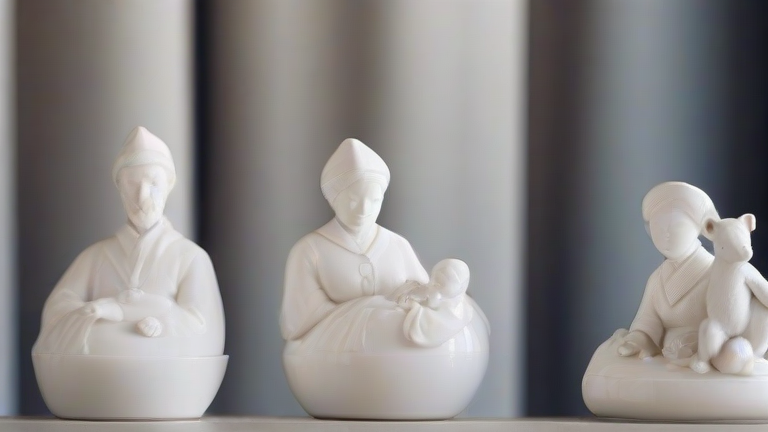
Do Porcelain Figurines Impact Health? Dust & Lead Safety Tips
TL;DR: High-quality modern porcelain figurines are generally inert and safe for most households when kept clean. However, older pieces with lead-based glazes require careful handling to prevent toxic exposure through dust ingestion or skin contact.
Porcelain sculptures and figurines have adorned homes for centuries, offering aesthetic value and artistic expression. Yet, health and wellness experts increasingly emphasize the importance of understanding material safety, particularly regarding lead and cadmium. While contemporary manufacturers adhere to strict regulatory standards, vintage collectibles pose different risks. The primary concern is not the ceramic body itself, which is fired at high temperatures to become non-porous and stable, but the surface glazes and decorative paints applied to the exterior.
If you want to dig deeper, check out our guide on Tech Meets Tradition: Innovating Porcelain Sculpture.
Understanding Lead Risks
Lead was historically used in glazes to create vibrant colors and a glossy finish. In modern, regulated markets, lead levels are negligible. However, figurines produced before the 1970s may contain significant lead. Risk arises when glazes crack or wear, releasing microscopic particles. These particles can mix with household dust. If ingested, lead accumulates in the body, affecting the nervous system, kidneys, and blood production. This is particularly dangerous for young children and pregnant women, who are more susceptible to lead toxicity. Symptoms of exposure are often subtle, including fatigue, headaches, and irritability, making preventive hygiene critical.
Safe Handling and Maintenance
To ensure your collection remains a safe part of your wellness routine, adopt specific hygiene practices. First, avoid placing figurines in areas where children or pets can easily access them. Keep them on high shelves or inside glass cabinets to minimize accidental contact. Regular dusting is essential, but do not use dry cloths, which merely redistribute lead-dust particles into the air. Instead, use a damp microfiber cloth or a specialized dusting tool with a vacuum attachment. Wash your hands thoroughly after handling any vintage pieces. If a figurine shows significant chipping or wear, consider having it professionally sealed or restored to encapsulate potential contaminants.
Finally, be mindful of the environment. Ensure good ventilation in display areas. If you are cleaning a large collection, wear disposable gloves and a mask to prevent inhaling settled dust. By treating your porcelain art with the same respect you would give to food preparation surfaces, you can enjoy the beauty of these sculptures without compromising your health.
FAQ
Q: Are all porcelain figurines safe for children?
A: No, vintage or unregulated figurines may contain lead. Keep such items out of reach of children and wash hands after handling to prevent ingestion of dust.
Q: How can I test if my figurine contains lead?
A: You can use an XRF lead testing kit available online, or send the item to a certified lab for material analysis to determine glaze composition.
Q: Does washing a figurine remove lead contamination?
A: Washing removes surface dust but does not eliminate lead from the glaze itself. It reduces immediate exposure risk but does not make a lead-glazed item inherently safe if the glaze is damaged.
Leave a Reply