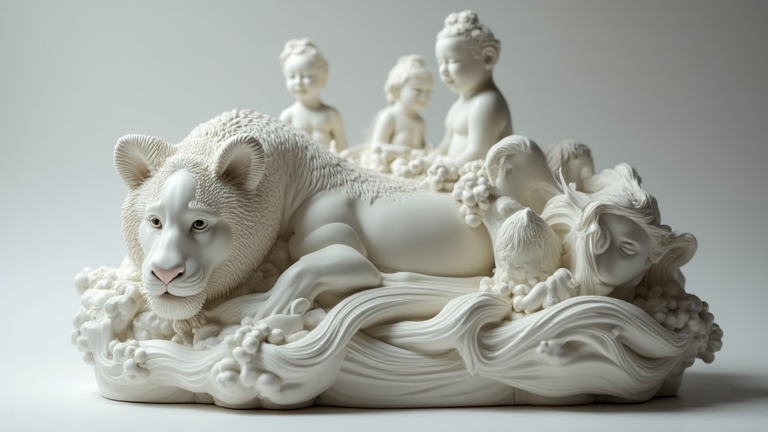
Tech Meets Tradition: Innovating Porcelain Sculpture
TL;DR: Advanced digital fabrication and high-precision 3D printing are transforming porcelain sculpture by enabling complex geometric forms impossible to achieve through traditional hand-thrown or hand-modeled techniques. This technological integration significantly reduces material waste and production time while preserving the aesthetic integrity and cultural value of classic porcelain art.
The intersection of modern engineering and ancient ceramic arts is reshaping the landscape of porcelain figurines and sculptures. Historically, creating intricate porcelain figures required years of manual labor, skilled artisans, and a high tolerance for breakage during the firing process. Today, industry leaders are leveraging computer-aided design (CAD) software to draft sculptures with mathematical precision. These digital models are then translated into physical objects using stereolithography or selective laser sintering techniques, which produce master molds with microscopic detail. This shift allows for the creation of highly detailed figurines, such as mythical creatures or anatomical studies, that were previously too fragile or complex to manufacture consistently.
If you want to dig deeper, check out our guide on Timeless Elegance: Styling Porcelain Figurines in Your Home.
Technical Specifications and Materials
The latest developments in porcelain technology focus on optimizing the material composition to withstand the stresses of digital manufacturing. Modern porcelain mixes now incorporate nano-silica particles, which enhance the structural integrity of thin-walled sculptures without sacrificing translucency. The firing process has also been digitized, utilizing smart kilns equipped with IoT sensors that monitor temperature gradients in real-time. These systems adjust heat distribution dynamically, reducing cracking rates by up to forty percent. Furthermore, the use of additive manufacturing allows for the integration of internal support structures that are easily removed post-firing, enabling the production of hollow, lightweight sculptures that defy traditional gravity constraints. The resolution of printed molds now exceeds two hundred microns, ensuring that surface textures and fine details are captured with remarkable fidelity.
From an industry impact perspective, this innovation democratizes access to high-end porcelain art. Small studios can now produce limited-edition figurines with the consistency of large-scale factories, bypassing the need for massive manual workforces. This scalability has opened new markets for personalized custom sculptures, where clients can upload digital designs for production. However, purists argue that the soul of the craft lies in the imperfections of the hand. In response, many manufacturers are adopting a hybrid approach, using technology for the base structure while artisans hand-paint and glaze the final pieces. This blend ensures that the product retains the tactile warmth and unique character associated with traditional porcelain, satisfying both technological and aesthetic demands. The result is a new category of smart ceramics that are not only beautiful but also engineered for durability and precision.
FAQ
Q: Can 3D printed porcelain sculptures be glazed like traditional pieces?
A: Yes, the surface finish of high-resolution digital porcelain is compatible with standard glazing techniques, allowing for identical aesthetic results to hand-made items.
Q: Does digital production reduce the environmental impact of porcelain manufacturing?
A: Yes, additive manufacturing minimizes material waste by using only the necessary amount of clay, and smart kilns improve energy efficiency during firing.
Q: Are these tech-enhanced sculptures considered authentic art?
A: Many collectors view them as a new form of digital craftsmanship, valuing the precision and innovation involved alongside the traditional material properties.
Leave a Reply