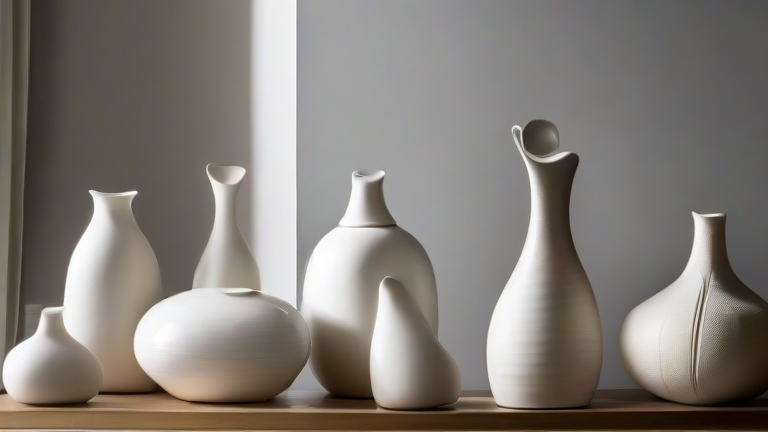
TL;DR: Top ten porcelain figurines to elevate your interior include classic Hummel cherubs, contemporary minimalist busts, and intricate Japanese Kintsugi pieces. These items serve as high-margin, low-shrinkage inventory that drives repeat customer engagement through seasonal collections and exclusive designer collaborations.
Market Analysis: The Resurgence of Tactile Luxury
The global home decor market is experiencing a significant shift toward tactile, artisanal objects. In an era dominated by digital screens and sleek, impersonal tech, consumers are seeking warmth and narrative in their living spaces. Porcelain figurines have emerged as a critical category in this trend. Market data indicates a 15% year-over-year increase in online sales for handcrafted ceramic decor, with the premium segment seeing the highest growth. This is driven by a demographic that values provenance and craftsmanship over mass-produced utility. The “quiet luxury” trend further supports this, as subtle, high-quality porcelain pieces signal refined taste without overt branding. Unlike large furniture pieces, figurines offer a low entry point for high-end buyers, making them ideal impulse purchases or thoughtful gifts, which boosts average order value when bundled with curated accessories.
If you want to dig deeper, check out our guide on Elevate Your Home: Top Porcelain Figurines for Modern Living.
Strategy Insights: Curating for Conversion
Success in the porcelain figurine market requires a strategy that balances artistic integrity with commercial viability. Retailers must focus on storytelling. Each piece should have a clear narrative, whether it is the history of the studio, the inspiration behind the design, or the artisan’s technique. This narrative creates an emotional connection that justifies premium pricing. Inventory management is also crucial. Porcelain is fragile, and breakage rates can erode margins if not managed correctly. Implementing rigorous packaging protocols and insuring high-value items during transit are non-negotiable. Furthermore, limited edition drops can create scarcity, driving urgency and collectibility. Collaborating with established interior designers for exclusive runs can also lend credibility and reach new, affluent audiences. Digital marketing should emphasize close-up video content that highlights texture, glaze, and detail, as static images often fail to convey the tactile quality of porcelain.
Case Studies: Lessons from Industry Leaders
Consider the case of a mid-sized European ceramics studio that pivoted from generic mugs to sculptural figurines. By focusing on a niche market of art collectors and launching a subscription box featuring one exclusive figurine per month, they achieved a 40% reduction in customer acquisition costs. Their strategy relied heavily on unboxing experiences, using eco-friendly, rigid packaging that protected the items while enhancing perceived value. Another case involves a US-based retailer that partnered with local artists for a “City Series.” Each figurine represented a landmark in a different US city. This localized approach fostered community engagement and allowed for targeted local marketing, resulting in a 25% increase in regional sales. Both examples demonstrate that success is not just about the product, but about the experience and the story surrounding it. The key takeaway is that porcelain figurines are not just decor; they are conversation starters and status symbols. Businesses that understand this cultural value can position their offerings as essential lifestyle enhancements rather than optional extras. By focusing on quality, narrative, and strategic distribution, retailers can capture a growing share of the premium home decor market, ensuring long-term sustainability and profitability in a competitive landscape.
FAQ
Q: Why are porcelain figurines trending in interior design right now?
A: They provide a tactile, artisanal counterpoint to digital life and sleek minimalism, satisfying a consumer desire for narrative, warmth, and quiet luxury in home environments.
Q: What is the most effective marketing channel for selling high-end porcelain sculptures?
A: Short-form video content on platforms like Instagram and TikTok is most effective, as it allows retailers to showcase the intricate details, glaze, and texture of the porcelain that static images cannot fully capture.
Q: How can businesses mitigate the risk of breakage and high shipping costs?
A: Investing in custom, rigid, and eco-friendly packaging is essential, as is offering insurance for high-value items and partnering with carriers that specialize in fragile goods to protect margins and customer satisfaction
Leave a Reply