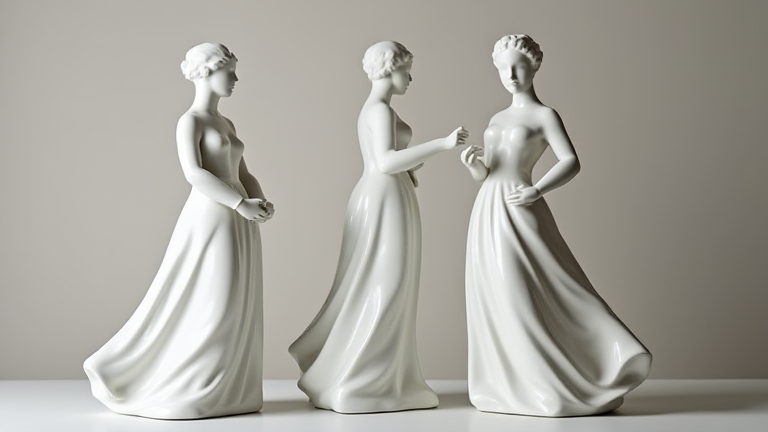
TL;DR: Porcelain figurines add timeless elegance to any home by serving as curated focal points that reflect personal history and cultural appreciation. Styling them effectively involves balancing scale, lighting, and negative space to create a sophisticated narrative within your living space.
The Art of Curation and Placement
In an era of digital noise and transient trends, the allure of the tangible has never been stronger. Porcelain figurines and sculptures offer a bridge between the past and the present, embodying a craftsmanship that demands patience and respect. Whether you are an avid collector or someone seeking a single statement piece, understanding how to style these delicate objects is key to achieving a look that feels both curated and effortless. The goal is not to clutter your shelves with every piece you own, but to select specific figurines that resonate with the room’s aesthetic and your personal journey.
If you want to dig deeper, check out our guide on How to Make Porcelain Figurines: A Beginner’s Sculpting Tuto.
Begin by assessing your current decor. If your home features modern, minimalist lines, a single, bold porcelain sculpture can serve as a powerful counterpoint. Place it on a clean, uncluttered shelf or a sturdy side table where it can command attention without competition. The smooth, glossy finish of porcelain reflects light, adding a subtle luminosity to dim corners. Conversely, in a traditional or eclectic space, smaller figurines can be grouped in odd numbers of three or five to create a dynamic visual rhythm. This technique, known as the rule of odds, prevents the display from feeling static or overly symmetrical. Mix heights and textures to guide the viewer’s eye across the display, ensuring that no single piece feels isolated or overwhelmed.
Lighting and Environmental Considerations
Lighting plays a crucial role in highlighting the intricate details of porcelain work. Avoid direct sunlight, which can cause thermal shock and lead to cracking over time. Instead, opt for soft, indirect lighting that enhances the translucency of the material. A small spotlight or a well-placed lamp can cast gentle shadows that emphasize the contours of the figurine, bringing the sculpture to life. Additionally, consider the environmental factors that affect porcelain. Humidity and temperature fluctuations can be detrimental to the integrity of the piece. Keeping figurines away from fireplaces, radiators, and exterior windows helps preserve their finish and structural soundness. Regular, gentle dusting with a soft, dry cloth is essential to maintain the pristine appearance of these delicate items, ensuring they remain a source of joy rather than a source of anxiety.
Cultural Connections and Personal Stories
Porcelain is more than just a material; it is a carrier of cultural narratives. Each figurine often tells a story, whether it represents a historical figure, a mythical creature, or a simple animal form. When styling, consider the provenance of your pieces. A Chinese blue-and-white vase might pair beautifully with a modern abstract sculpture, creating a dialogue between East and West. This juxtaposition adds depth to your interior design, signaling a appreciation for global arts and crafts. Share these stories with guests, letting the objects serve as conversation starters that reveal your interests and values. By integrating porcelain figurines into your home, you are not just decorating; you are curating a personal museum that reflects your unique perspective and taste.
FAQ
Q: How do I clean porcelain figurines without damaging them?
A: Use a soft, dry microfiber cloth to gently dust the surface. For stubborn dirt, lightly dampen the cloth with water and wipe carefully, ensuring no moisture accumulates in crevices or on the base, then dry immediately.
Q: Can I display porcelain figurines outdoors?
A: No, porcelain is sensitive to temperature changes and moisture. It should always be displayed indoors in a stable environment to prevent cracking, glazing damage, or discoloration caused by UV exposure and humidity.
Q: How many figurines should I group together for the best visual effect?
A: Group items in odd numbers, typically three or five, to create a balanced yet dynamic display. Vary the height and size of the pieces to add visual interest and prevent the arrangement from looking too rigid or uniform.
Leave a Reply