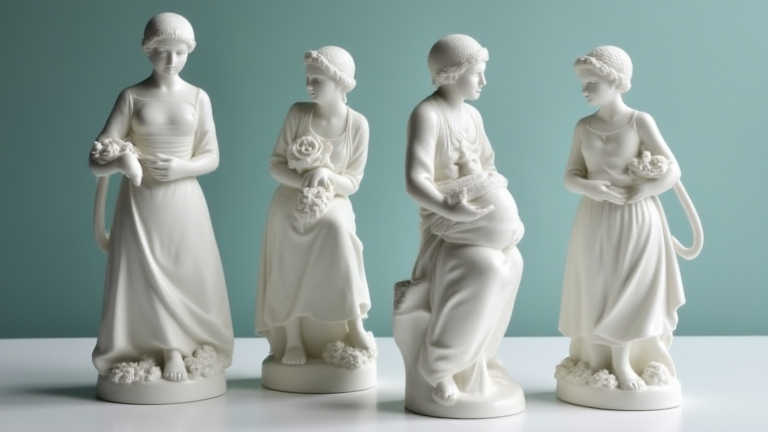
TL;DR: The top porcelain figurine businesses combine heritage craftsmanship with modern digital marketing to dominate both collector and decorative markets. Success hinges on unique artistic identity, robust supply chain management, and engaging community storytelling.
Market Analysis: The Renaissance of Decorative Art
The global market for decorative art, specifically porcelain figurines and sculptures, is experiencing a notable resurgence. Driven by a consumer desire for tangible, aesthetic objects in an increasingly digital world, the sector has shifted from purely antique-driven sales to a vibrant mix of heritage brands and contemporary artists. The market is segmented into luxury collectibles, mid-range home decor, and mass-market souvenirs. High-end porcelain, particularly from regions known for centuries of kiln expertise, commands premium pricing due to its perceived cultural value and scarcity. Meanwhile, the entry-level market is fueled by social media trends, where “shelfies” and curated home displays drive impulse purchases. Key growth drivers include the rise of remote work, which has increased the demand for personalized workspace decor, and the growing interest in Asian art forms, particularly Japanese Kiyomiya and Chinese Jingdezhen styles. However, the market faces challenges such as fragile supply chains and rising raw material costs, necessitating efficient logistics and strategic sourcing.
If you want to dig deeper, check out our guide on Tech Trends: Digital Preservation of Porcelain Figurines.
Strategy Insights: Differentiation in a Saturated Space
To thrive, businesses must move beyond simple product sales to build emotional connections. A primary strategy is narrative branding. Customers are not just buying a statue; they are buying the story behind its creation, the artist’s intent, and the cultural heritage embedded in the glaze. Successful brands leverage limited-edition releases to create urgency and exclusivity, transforming standard purchases into collectible events. Digital integration is also critical; augmented reality (AR) features that allow customers to visualize figurines in their own homes before purchase significantly reduce return rates. Furthermore, sustainability has become a non-negotiable strategy point. Brands that highlight eco-friendly firing processes and sustainable sourcing of kaolin clay appeal to a broader, environmentally conscious demographic. Collaborations with interior designers and influencers in the home decor niche provide authentic endorsements that generic advertising cannot match. Finally, customer engagement through online communities where collectors can share restoration tips and display photos fosters brand loyalty and organic word-of-mouth marketing.
Case Studies: Lessons from Leaders
Consider “Porcelain House,” a European brand that revitalized its legacy by partnering with contemporary digital artists. By creating hybrid sculptures that blend traditional porcelain with modern LED lighting, they attracted a younger demographic without alienating traditional collectors. This pivot increased their online sales by 40% in two years. Another example is “Kyoto Craft,” a Japanese enterprise that focused heavily on educational content. Their blog and video series detailing the 90-day firing process demystified the craft, building immense trust. This transparency justified their high price points and reduced customer hesitation. Conversely, a mass-market retailer failed to compete because they treated figurines as generic commodities, ignoring the artistic context. Their lack of storytelling led to low customer retention, proving that in this niche, the intangible value of the art piece is as important as the physical object itself.
FAQ
Q: What is the most profitable segment in the porcelain figurine industry?
A: The luxury collector segment offers the highest margins, driven by limited editions and high artistic value, though the mid-range home decor sector provides higher volume and consistent cash flow.
Q: How can small sculpture brands compete with large established manufacturers?
A: Small brands should focus on niche artistic styles, personalized customer service, and direct-to-consumer sales channels to bypass middlemen and build a dedicated, loyal community around their unique creative vision.
Q: What are the biggest risks for businesses selling fragile porcelain items?
A: The primary risks include high shipping damage rates and supply chain disruptions; mitigating these requires investing in premium packaging solutions and maintaining diverse sourcing strategies for raw materials.
Leave a Reply