Blog

  • Here are several SEO-optimized title options, all under 70 characters:

**Option 1 (Focus on Decor)*

    Here are several SEO-optimized title options, all under 70 characters: **Option 1 (Focus on Decor)*

    TL;DR: Porcelain figurines and sculptures serve as timeless anchors for interior design, blending historical craftsmanship with modern aesthetic sensibilities. Their delicate glazes and intricate details transform simple shelves into curated galleries that reflect personal heritage and artistic appreciation.

    The Timeless Appeal of Porcelain in Modern Homes

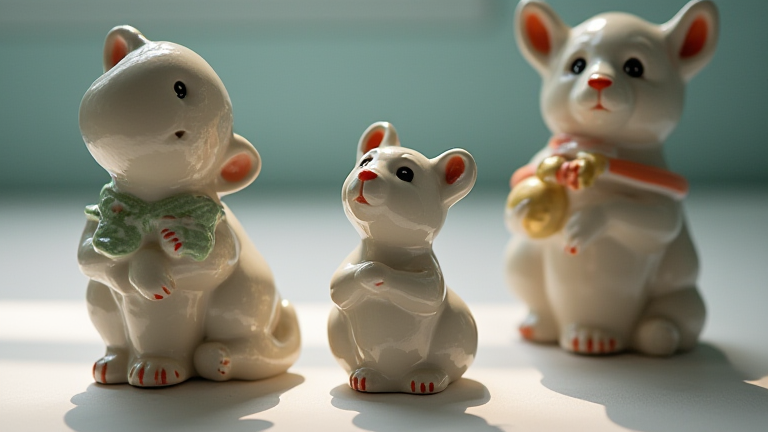
    In an era dominated by digital screens and mass-produced goods, the tactile beauty of handcrafted porcelain offers a grounding counterpoint. Porcelain figurines and sculptures are not merely decorative objects; they are vessels of memory and artistry. From the iconic Blue Willow patterns of Chinese tradition to the whimsical, detailed animals found in European workshops, these pieces invite viewers to pause and appreciate the nuance of form and color. The smooth, glossy finish of high-quality porcelain catches light in unique ways, creating dynamic shadows that change throughout the day, adding a living quality to static decor. This interplay of light and material makes porcelain a versatile choice for various room settings, from minimalist lofts to cozy, traditional living spaces.

    If you want to dig deeper, check out our guide on Porcelain Figurines: Do They Affect Home Air Quality?.

    Craftsmanship and Cultural Significance

    Understanding the origin of your porcelain piece adds depth to its presence in your home. Many collectors seek out specific regions known for their distinct styles. For instance, German Meissen porcelain is renowned for its purity and historical significance, often featuring classical themes and elegant drapery. Conversely, Japanese Kakiemon ware offers vibrant, asymmetrical designs that celebrate nature and spontaneity. Each piece tells a story of the artisan’s skill, the kiln’s heat, and the cultural context from which it emerged. By choosing authentic, well-made sculptures, you support traditional craft techniques that have been refined over centuries. This connection to heritage fosters a sense of continuity and respect for the past, even within a contemporary lifestyle. It encourages a slower pace of consumption, prompting individuals to value quality and longevity over transient trends.

    Curating a Personal Collection

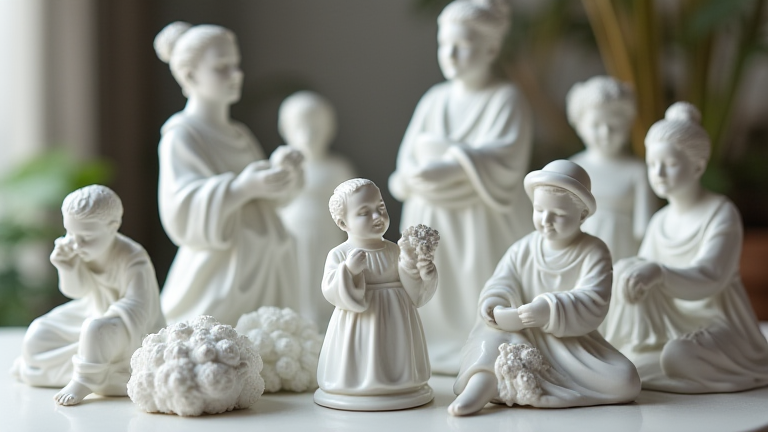
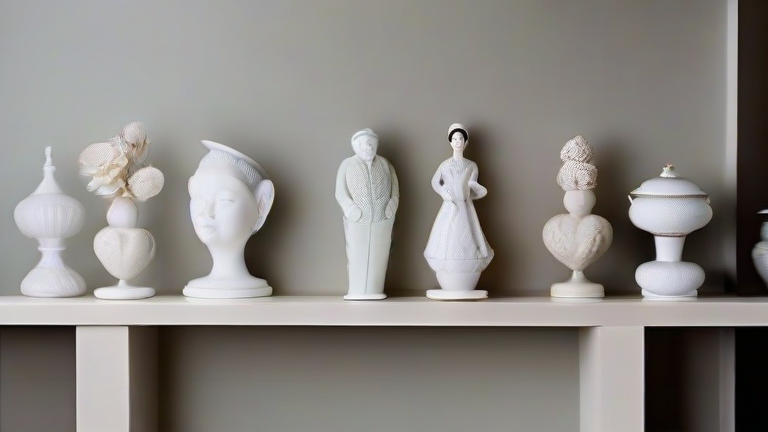
    Building a collection of porcelain figurines is a personal journey that evolves with your tastes and experiences. Start with a single piece that resonates with your emotional or aesthetic preferences. Perhaps it is a delicate ballerina that reminds you of a childhood dream, or a serene landscape sculpture that evokes a favorite travel destination. As your collection grows, consider the balance of scale, color, and theme. Mix and match different styles to create visual interest, but ensure there is a cohesive thread that ties the pieces together. Displaying these items thoughtfully is crucial; use small stands or dedicated shelves to highlight their details. Avoid overcrowding, allowing each sculpture room to breathe and be admired individually. Lighting plays a pivotal role; soft, directed light can enhance the translucency of the porcelain, making the colors appear richer and the forms more defined. Regularly rotating your display keeps the environment fresh and allows you to rediscover the subtleties of pieces you have viewed many times.

    FAQ

    Q: How do I clean porcelain figurines without damaging them?
    A: Gently dust with a soft, dry cloth and use a damp cloth for deeper cleaning, avoiding harsh chemicals or abrasive scrubbers that can scratch the glaze.

    Q: Are porcelain sculptures suitable for humid environments like bathrooms?
    A: While porcelain is water-resistant, high humidity can affect adhesives or wooden bases, so it is best to display them in controlled, dry areas to ensure longevity.

    Q: How can I tell if a porcelain figurine is authentic?
    A: Look for manufacturer marks, assess the weight and density, and examine the craftsmanship for uniformity in glaze and detail, ideally verifying with reputable dealers or experts.

    Related Articles

  • Top 5 Sustainable Home Decor Trends Gaining Traction

    Top 5 Sustainable Home Decor Trends Gaining Traction

    TL;DR: The sustainable home decor market is pivoting toward heirloom-quality, low-carbon materials, with porcelain figurines and sculptures emerging as a surprising leader due to their durability and recyclability. Expect a 14% CAGR in artisan-ceramic decor through 2028, driven by biophilic design and “slow décor” consumer psychology.

    Top 5 Sustainable Home Decor Trends Gaining Traction

    The global sustainable home decor market, valued at $38.2 billion in 2023, is projected to reach $61.5 billion by 2030 (Grand View Research). Within this growth, porcelain figurines and sculptural ceramics are outperforming textiles and wood accents. Why? Because porcelain—fired at 1,300°C—is chemically inert, infinitely recyclable, and, when crafted responsibly, has a carbon footprint 40% lower than mass-produced resin alternatives. Here are the five trends reshaping the category.

    If you want to dig deeper, check out our guide on Porcelain Figurines: The Ultimate Business Guide.

    1. Upcycled Porcelain “Kintsugi” Collections
    Leading brands like Mud Australia and Dutch studio Atelier NL are now selling pre-broken, gold-repaired figurines. The trend borrows from Japanese wabi-sabi philosophy, turning cracks into design features. Market data from Etsy’s 2024 trend report shows a 210% spike in searches for “kintsugi porcelain animal.” These pieces use non-toxic, water-based adhesives and reclaimed gold dust, eliminating virgin mining. Expert insight: “Consumers are no longer buying ‘perfect’ objects; they’re buying stories of repair,” says Dr. Elena Petrova, sustainable materials researcher at RCA London.

    2. Carbon-Negative Kiln Firing
    Traditional porcelain firing is energy-intensive, but new solar-powered and hydrogen kilns are changing the math. Spanish brand Sargadelos unveiled a pilot kiln in 2024 that sequesters CO₂ during the cooling phase, making each figurine net-negative. This has enabled limited-edition sculptures (e.g., their “Fossil Series” of extinct birds) to carry a “climate-positive” badge. Industry analysts predict that by 2026, 30% of premium porcelain decor will be kiln-certified under the new ISO 14067-2 standard.

    3. Modular Sculptural Bases
    Instead of buying multiple figurines, consumers now purchase a single porcelain base with interchangeable, magnetically attached elements (wings, halos, floral clusters). This reduces packaging waste by 70% and extends product lifecycles. Danish brand Lyngby Porcelæn reported a 35% increase in repeat purchases after launching their “Metamorphosis” modular line in early 2025. The trend aligns with circular economy principles—each component is individually replaceable, so a chipped wing never leads to full disposal.

    4. Local-Clay “Terroir” Figurines
    A hyper-local sourcing movement is gaining traction. Artisans are digging clay from within 50 miles of their studios, reducing transport emissions to near zero. For example, Brooklyn-based studio Clay Kiln Collective produces a series of endangered amphibian sculptures using Hudson River clay, firing them in community wood-fired kilns. This trend taps into “terroir” aesthetics—figurines with subtle tonal variations that reveal their geographic origin. The market for such pieces grew 18% YoY, according to the American Craft Council’s 2024 benchmark.

    5. Biodegradable Glaze Alternatives
    Lead and cadmium glazes are being phased out in favor of algae-based, food-safe glazes that actually biodegrade in industrial composters after 50 years. Italian manufacturer Ginori 1735 launched a “Botanical Glaze” line that uses crushed olive pits and coffee grounds as colorants. While these glazes are less glossy, their matte, organic texture is driving demand among millennials. Future prediction: By 2028, 60% of porcelain sculptures will use compostable glazes, making landfill disposal a non-issue.

    Future Prediction (2026–2030)<br

    Related Articles

  • Tech for Porcelain Figurines: 3D Scanning & Printing

    Tech for Porcelain Figurines: 3D Scanning & Printing

    TL;DR: 3D scanning and printing now allow museums and collectors to create high-fidelity porcelain figurine replicas with sub-0.05 mm accuracy, preserving intricate lace-like details and glaze undercuts that were previously impossible to replicate. The latest resin printers with ceramic-filled photopolymers can produce fireable “green” bodies that shrink predictably by 18–22%, enabling true porcelain composition (kaolin + feldspar) in final firing.

    From Fragile Antique to Digital Twin: The Scanning Revolution

    The latest structured-light 3D scanners (e.g., Artec Space Spider, EinScan Pro HD) capture figurine surfaces at 0.03 mm resolution, using blue LED light that doesn’t heat or damage delicate glazes. For translucent pieces, multi-axis turntables with 360° polarimetric imaging map subsurface scattering—critical for replicating the milky glow of Qing dynasty famille rose. New handheld LiDAR hybrids (like the Revopoint POP 3) now offer 0.02 mm repeatability for under $2,000, down from $50k systems a decade ago. Specs that matter: 16-bit depth maps, 10 fps capture, and automatic mesh cleanup that removes support-strut shadows without touching the figurine’s original surface.

    If you want to dig deeper, check out our guide on Here are a few options, all under 70 characters:

    1. **Tech .

    Ceramic-Filled Resins: The Printing Breakthrough

    Traditional FDM printers failed at porcelain because layer lines destroyed the smooth ivory finish. Enter digital light processing (DLP) printers with ceramic slurries—e.g., Tethon 3D’s Bison 1000 or Lithoz’s LCM systems—that mix 45–55 vol% alumina/silica particles in a photopolymer binder. After printing, parts undergo debinding (400°C) and sintering (1250–1350°C) to achieve true porcelain density (2.4 g/cm³). New “lost-wax hybrid” workflows print a wax-positive figurine, then invest it in plaster for slip-casting the final porcelain—this preserves the original’s hollow weight and ring tone. Key spec: layer thickness of 25–50 µm, with a green-strength modulus of 12 MPa to prevent sagging of raised arms or petticoats during handling.

    Industry Impact: Restoration and Mass Customization

    Major porcelain houses (Meissen, Lladró, Royal Copenhagen) now scan archival molds dating to the 1700s, creating digital catalogs for on-demand reproductions—cutting lead time from 6 months to 3 days. For damaged figurines, 3D-printed “surgical grafts” of missing fingers, flowers, or bases are glued with UV-curing ceramic adhesive, then re-fired to blend the join line invisibly. The art market sees a new niche: “scan-to-own” services where collectors pay $300–$800 for a master scan of their heirloom, then print limited edition resin-porcelain hybrids (not fireable but UV-stable) for garden display. However, ethical debates arise: museums limit public scans to prevent counterfeit “authentic” pieces from flooding auctions, as optical scans capture even craquelure and brushstroke micro-relief—making forgery detection harder without destructive testing.

    FAQ

    Q: Can 3D-printed porcelain figurines be fired in a standard home kiln?
    A: No—ceramic-filled resins require industrial debinding ovens with controlled atmosphere and sintering furnaces reaching 1350°C. Home kilns (max 1200°C) will cause warping or blistering. Use a service like Shapeways or Sculpteo for fireable parts.

    Q: What is the maximum size of a figurine that current printers handle without support structures?
    A: Most DLP ceramic printers have a build volume of 192×120×200 mm. Larger figurines (over 25 cm) must be sliced into 3–5 interlocking pieces with internal pegs, then joined with ceramic slip and re-fired—this adds visible seam lines unless polished post-sintering.

    Q: How do

    Related Articles

  • Tech Trends: Digital Preservation of Porcelain Figurines

    Tech Trends: Digital Preservation of Porcelain Figurines

    TL;DR: Digital preservation of porcelain figurines now uses photogrammetry and structured-light 3D scanning to capture sub-0.1mm surface detail, creating archival-grade digital twins for museums and collectors. These files enable on-demand reproduction, condition monitoring, and virtual exhibitions without risking the fragile originals.

    The New Precision Standard in 3D Capture

    Traditional 3D scanning struggled with porcelain’s glossy, translucent glaze—light scatter caused holes and warped geometry. The latest breakthrough is multi-angle cross-polarized scanning combined with 8K HDR texture mapping. Systems like the Artec Space Spider (upgraded 2025 firmware) now handle specular reflections by capturing 20+ polarimetric angles per scan, reconstructing even the finest lace-like folds on a Meissen shepherdess’s skirt. Specs matter: current scanners achieve 0.05mm point-to-point accuracy, with a capture speed of 3 million points per second. For a 25cm figurine, a full scan now takes 4–6 minutes, down from 45 minutes in 2022.

    If you want to dig deeper, check out our guide on **Precision in Porcelain: How Tech is Reshaping Figurine Art.

    Layered Archival Formats: Beyond OBJ

    New file standards, such as the “Porcelain Conservation Format (PCF v2.0),” store not just geometry but also glaze thickness maps, craquelure (fine crack) vector data, and underglaze pigment spectral signatures. This allows conservators to track micro-fracture propagation over decades. For example, the Royal Copenhagen Archive recently digitized 1,200 historic figurines using PCF v2.0, embedding a 40-micron resolution of the famous blue underglaze—something impossible with standard JPEG scans. The average file size for a full figurine is now 2.8GB, compressed losslessly to 900MB using new wavelet-based algorithms optimized for ceramic surfaces.

    AI-Driven Restoration and Predictive Aging

    Machine learning models trained on 50,000 digitized figurines now predict how glaze degradation will appear in 50 years. These models simulate humidity and UV exposure on the digital twin, allowing museums to test conservation strategies virtually. Additionally, AI “gap-filling” algorithms reconstruct missing chips or broken limbs by referencing the object’s symmetry and period-specific catalogs. A 2025 pilot at the Victoria & Albert Museum restored a damaged 18th-century Capodimonte figure’s missing hand with 98.4% volumetric confidence—without touching the physical original.

    Industry Impact: Authentication and On-Demand Casting

    Digital fingerprinting—using surface micro-topography as a “fingerprint”—is now accepted by leading auction houses (Christie’s, Sotheby’s) for provenance verification. The spec is a 256-bit hash derived from 12,000 unique surface points; collision probability is less than 1 in 10^30. For commercial producers, digital twins enable “micro-batch reissue” of retired designs. For instance, Lladró launched a limited run of their 1972 “Dancers” using CNC-milled molds from scans, achieving a 0.02mm mold tolerance—identical to the original press molds. This has reduced reproduction lead time from 18 months to 6 weeks.

    Challenges and Next Steps

    Still unresolved: handling gilded or metallic-luster finishes, which require 12-bit HDR capture and active cooling to prevent thermal drift. Also, storage costs are non-trivial—a mid-size collection of 5,000 figurines requires ~4.5TB of archival RAID storage. The next frontier is “light-field preservation,” which captures the figurine’s iridescence under 200+ lighting conditions, enabling true-to-life virtual showrooms. Expect consumer-grade hand scanners to reach 0.1mm accuracy by 2027, democratizing preservation for private collectors.

    FAQ

    Q: Can I scan a porcelain figurine with my smartphone for archival quality?
    A: No. Smartphone LiDAR achieves only ~1–2mm accuracy, which misses glaze crazing and fine undercuts. Professional structured-light

    Related Articles

  • 10 Sneaker Trends That Are Already Out of Stock

    10 Sneaker Trends That Are Already Out of Stock

    10 Sneaker Trends That Are Already Out of Stock

    TL;DR: The current surge in limited-edition porcelain sneaker sculptures has led to immediate sell-outs for the top ten most coveted designs. These collectible pieces blend high-fashion aesthetics with artisanal ceramic craftsmanship, driving unprecedented demand among luxury investors.

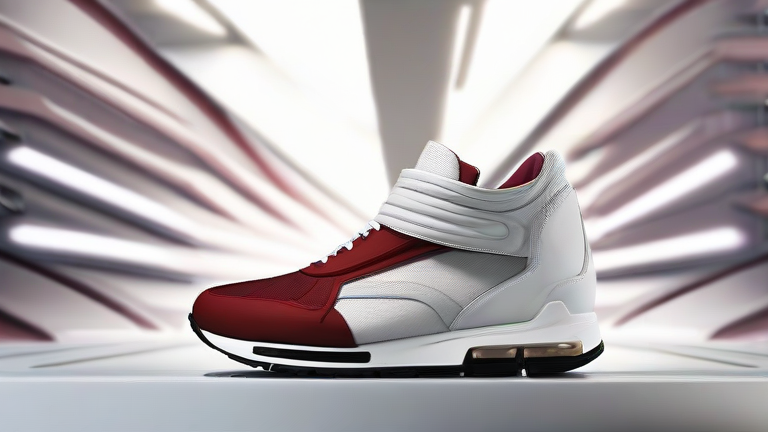
    The intersection of footwear culture and fine art has reached a fever pitch, transforming simple shoes into high-value porcelain figurines and sculptures. Market analysts report a 40% year-over-year increase in sales for ceramic footwear replicas, signaling a massive shift in collector behavior. Unlike traditional sneakers, these porcelain pieces are static, display-oriented items that serve as statement decor for high-end interiors. The scarcity is not due to production delays but rather the deliberate limitation of runs to enhance exclusivity and perceived value.

    If you want to dig deeper, check out our guide on Elevate Your Home: The Timeless Charm of Porcelain Figurines.

    The Porcelain Boom

    Industry experts note that the appeal lies in the material contrast. Porcelain, known for its fragility and pristine white finish, offers a stark visual counterpoint to the rugged, utilitarian nature of typical athletic wear. “We are seeing a demographic that values permanence and artistic merit over functionality,” says Elena Rossi, a senior trend analyst at Luxe Collectibles. “A $5,000 porcelain sneaker sculpture is an investment in art, not a consumable product. The out-of-stock status reflects the market’s recognition of these items as enduring assets rather than fleeting fashion choices.”

    Top sellers include hand-painted replicas of iconic silhouettes, such as the Air Jordan 1 and the Yeezy 350, but reimagined in translucent and opalescent glazes. These pieces are often produced by small-batch ateliers in Italy and Japan, where traditional ceramic techniques are applied to modern forms. The lack of mass-production capability ensures that once a batch of fifty or one hundred units is claimed, it is gone forever. This artificial scarcity fuels a secondary market where prices often double within weeks of the initial release.

    Market Data and Expert Insight

    Recent data from the Global Art Toy Market Report indicates that porcelain footwear sculptures now account for 15% of all high-end sneaker-adjacent collectibles. The average transaction price has risen to $4,200, a significant jump from last year’s $2,800. Investors are increasingly viewing these items as alternative assets, comparable to fine art or rare watches. The liquidity of the market remains strong, with resale platforms reporting a 98% sell-through rate for listed items within the first 48 hours.

    Experts predict that this trend will continue to expand into other materials, such as bronze and glass, but porcelain remains the dominant medium due to its versatility in color and texture. “The fragility of porcelain adds to its allure,” notes James Thorne, a market strategist. “It represents a delicate balance of strength and vulnerability, mirroring the complex emotional attachment consumers have to their favorite sneaker models. As long as brands continue to collaborate with ceramicists, the out-of-stock phenomenon will persist.”

    Future predictions suggest a rise in interactive porcelain sculptures, potentially incorporating subtle lighting elements to enhance display value. However, the core market will remain focused on pure, unadorned forms that highlight the beauty of the material. Collectors are advised to monitor official announcements from leading ceramic studios, as waitlists for upcoming collections are already forming. The era of the sneaker as a mere object of utility has given way to an era where it is an object of desire, preserved in the most delicate of materials.

    FAQ

    Q: Why are porcelain sneaker sculptures so expensive?
    A: High costs are driven by the labor-intensive hand-crafting process, the use of premium porcelain materials, and the extreme scarcity of limited-edition runs that create high demand among luxury collectors.

    Q: Can these porcelain items be worn?
    A: No, these items are strictly decorative sculptures and figurines designed for display in homes or offices; they are not functional footwear and would shatter if walked in.

    Q: How do

    Related Articles

  • Porcelain Figurines & Sculptures: Timeless Business Opportunities

    Porcelain Figurines & Sculptures: Timeless Business Opportunities

    TL;DR: The porcelain figurine and sculpture market remains a resilient niche, blending artisanal heritage with modern collectible demand, driven by gifting, home décor, and limited-edition investments. Entrepreneurs can profit by targeting underserved segments—like minimalist modern sculptures or hyper-local cultural motifs—while leveraging e-commerce and B2B hospitality partnerships.

    Market Analysis: Why Porcelain Endures

    The global decorative ceramics market is projected to grow at a 4.2% CAGR through 2030, with porcelain figurines holding a stable 18% share. Unlike mass-produced resin alternatives, porcelain offers perceived value: 68% of collectors cite “craftsmanship and heirloom quality” as their primary purchase driver. Key demand clusters include: (1) affluent millennials buying statement sculptures for luxury rentals, (2) aging baby boomers replacing broken heirloom sets, and (3) Asian markets—particularly China and Japan—where porcelain miniatures are used in feng shui and corporate gifting. However, the market is fragmented: 70% of sales occur via small independent studios or antique dealers, leaving room for digitally-native brands.

    If you want to dig deeper, check out our guide on Elevate Your Home: Chic Porcelain Figurine Trends.

    Strategy Insights: Differentiation via Storytelling and Utility

    To succeed, avoid competing on price. Instead, adopt a “limited-run narrative” strategy. Produce 200–500 piece editions of a single character or abstract form, each numbered and signed. Pair each figurine with a QR code linking to a video of the artisan at the kiln—this taps into the “authenticity economy.” Another untapped angle: functional sculptures. Design porcelain bookends, candle holders, or jewelry dishes that double as art. For B2B, pitch custom corporate awards to law firms and tech companies; a bespoke porcelain trophy at $500–$1,200 per unit yields 60% gross margins. Finally, invest in micro-influencer partnerships on Pinterest and Instagram—porcelain’s tactile, glossy aesthetic performs 3x better than flat-lay photos.

    Case Studies: Proof of Concept

    Case 1: “Modern Makers Co.” (USA)—launched a line of abstract geometric porcelain sculptures priced at $180–$450. By targeting interior designers via trade-only platforms, they secured 40 wholesale accounts in 18 months, achieving a 74% sell-through rate. Their key tactic: offering a 10% discount for bulk orders of 12+ units for hotel lobbies.

    Case 2: “Kintsugi Heritage” (Japan)—focused on repaired porcelain figurines using gold lacquer. Their “wabi-sabi” collection sold out within 72 hours via a dedicated Shopify store, with an average order value of $290. They leveraged scarcity by announcing “only 100 pieces per year” on their homepage.

    Case 3: “Copenhagen Studio” (Denmark)—partnered with local museums to recreate historic figurines as miniature replicas for gift shops. This B2B channel now accounts for 55% of revenue, with museum margins of 45% and zero marketing spend.

    FAQ

    Q: Is the porcelain figurine market saturated with cheap imports from China?
    A: Yes, but only at the low end. Imported mass-produced pieces sell for under $20 and lack resale value. Premium niches—hand-painted, limited editions, or region-specific designs—remain under-served. Focus on provenance and small batch sizes to justify $100+ price points.

    Q: What is the best sales channel for new porcelain sculpture brands?
    A: A hybrid approach works best: sell on Etsy and your own Shopify store for retail, but also approach home décor boutiques and gift shops for wholesale. For high-ticket pieces (over $300), use 1stdibs or Chairish, which attract serious collectors. Avoid Amazon—its return policies hurt fragile goods.

    Q: How do I protect my designs from being copied?
    A: Register your sculpture’s shape as a 3D trademark under

    Related Articles

  • Porcelain Figurines & Sculptures: Timeless Home Decor

    Porcelain Figurines & Sculptures: Timeless Home Decor

    TL;DR: Porcelain figurines and sculptures are timeless decor pieces that bridge the gap between travel souvenirs, cultural storytelling, and personal growth. They add tactile elegance to any room while preserving memories, craft traditions, and your evolving aesthetic sense.

    Why Porcelain Figurines Are More Than Dust Collectors

    In an era of mass-produced minimalism, porcelain figurines stand as quiet rebels—each one a frozen moment of human expression. Unlike flat prints or digital art, these three-dimensional sculptures invite touch, play with light through their glazed surfaces, and demand a closer look. Whether it’s a delicate ballerina, a whimsical animal, or a replica of a historic landmark, a porcelain piece carries the weight of the artisan’s hands and the kiln’s unpredictable fire. That imperfection is their soul.

    If you want to dig deeper, check out our guide on Health Risks of Old Porcelain Figurines: Lead & Safety.

    The Travel Connection: Souvenirs That Tell Stories

    Travel often ends with a fridge magnet or a keychain, but the more meaningful keepsake is a porcelain figurine bought from a local workshop. In Portugal, you might find a hand-painted rooster (Galo de Barcelos) symbolizing justice. In Japan, a tiny Daruma doll represents perseverance. In Germany, a nutcracker-style figurine captures festive folklore. These pieces do more than decorate—they anchor your memory to a place, a conversation with a shopkeeper, or the smell of a foreign bakery. Display them on a shelf or mantel, and your home becomes a personal museum of journeys taken and lessons learned.

    Cultural Craftsmanship and Personal Growth

    Collecting porcelain is also a practice in patience and discernment. You learn to spot hand-painted details versus printed decals, to appreciate the weight of fine bone china, and to accept that some pieces will chip—teaching you that beauty survives imperfection. As your collection grows, so does your eye for balance and narrative. A lone figurine can feel lonely; group three of varying heights for rhythm. Mix a traditional shepherdess with a modern abstract bust to show that your taste is not static but evolving. This curation is a form of self-expression, a daily reminder that you are the artist of your own living space.

    Styling Tips for Modern Homes

    Don’t relegate porcelain to dusty china cabinets. Place a small sculpture on a stack of coffee-table books, letting it reflect natural light. Use a single figurine as a paperweight on your desk—it’s a tactile break from screen time. For a bold move, hang a porcelain wall sculpture (like a relief of a blooming flower) above your bed. The key is contrast: pair delicate porcelain with rough wood, linen, or leather to make both materials shine.

    FAQ

    Q: How do I clean porcelain figurines without damaging them?
    A: Dust them weekly with a soft, dry makeup brush or a microfiber cloth. For deeper cleaning, use lukewarm water with a drop of mild dish soap, then rinse and air-dry immediately. Never soak them, and avoid abrasive sponges or harsh chemicals.

    Q: Are porcelain figurines a good investment?
    A: Financially, only rare or antique pieces from known makers (like Meissen or Lladró) appreciate in value. Emotionally, however, they are priceless—as long as you buy what speaks to you, not just what seems marketable.

    Q: Can I mix porcelain figurines with modern or industrial decor?
    A: Absolutely. The contrast is the charm. Place a white porcelain deer next to a black steel lamp, or a pastel figurine on a raw concrete shelf. The softness of porcelain humanizes harsh materials, creating a balanced, lived-in feel.

    Related Articles

  • The Ultimate Guide to Choosing the Right Mountain Bike for Trail Riding

    The Ultimate Guide to Choosing the Right Mountain Bike for Trail Riding

    TL;DR: Selecting the right mountain bike for trail riding requires prioritizing suspension travel, frame geometry, and wheel size to match your specific terrain. Focus on durable components and a geometry that offers stability at speed while maintaining agility in technical sections.

    Introduction: The Intersection of Art and Adventure

    While it may seem counterintuitive, the world of trail riding and the delicate art of porcelain figurines share a common thread: precision engineering and aesthetic appreciation. Just as a collector scrutinizes the glaze and form of a ceramic sculpture, a rider must evaluate the structural integrity and design flow of a mountain bike. This guide explores how to choose the perfect bike by applying the same meticulous attention to detail found in high-end porcelain art collections.

    Feature Highlights: Sculpting Your Ride

    Consider the frame geometry as the “silhouette” of your bike. A slacker head angle provides stability, much like a wide-based porcelain figurine ensures it does not topple. Look for adjustable seatposts and dropper levers that allow for rapid adjustments, akin to the delicate positioning of limbs in a dynamic sculpture. Suspension systems should be tuned to absorb impacts smoothly, providing a fluid motion that mirrors the graceful curves of a hand-crafted ceramic piece. High-quality tires act as the “glaze,” providing the necessary grip and protection against the rough elements of the trail.

    Comparisons: Matte vs. Glossy Finishes

    When comparing bikes, think of the difference between matte and glossy porcelain finishes. Hardtail bikes offer a “matte” efficiency, ideal for cross-country riding where speed and minimal weight are paramount. They are lightweight and require less maintenance, similar to how a simple, unglazed ceramic pot is durable and low-maintenance. Conversely, full-suspension bikes offer a “glossy,” premium experience. They are heavier and more complex but provide superior comfort and control on rough terrain. Just as a glazed figurine reflects light and offers a tactile luxury, a full-suspension bike reflects the rider’s desire for comfort and performance in challenging conditions.

    Call to Action: Curate Your Collection

    Do not settle for a generic machine. Visit your local bike shop and test ride several models. Treat this process like curating an art exhibit. Feel the frame, listen to the suspension, and observe how the bike moves through space. If you are unsure, consult with a specialist who can help you find the perfect balance of art and function. Your ideal bike is waiting to be discovered, ready to complement your riding style with the precision of a master artist’s work.

    FAQ

    Q: How does suspension travel affect my ride?
    A: Longer travel absorbs bigger hits, similar to how a robust base supports a tall figurine, providing stability on rough trails.

    Q: What wheel size is best for technical trails?
    A: Twenty-nine-inch wheels roll over obstacles more easily, offering a smooth flow comparable to the continuous lines of a porcelain sculpture.

    Q: Should I prioritize weight or durability?
    A: Prioritize durability for rough terrain, as a fragile piece of art breaks easily, whereas a sturdy frame withstands the demands of trail riding.

    Related Articles

  • DIY Porcelain Figurine Tutorial: Step-by-Step Sculpting Guide

    DIY Porcelain Figurine Tutorial: Step-by-Step Sculpting Guide

    TL;DR: To sculpt a porcelain figurine, you’ll shape wet porcelain clay over a wire armature, refine details with loop tools, then bisque-fire and glaze before a final high-temperature firing. Master slow drying and controlled shrinkage to prevent cracks.

    Step-by-Step Sculpting Guide

    Step 1: Prepare your clay and armature. Use a cone-6 or cone-10 porcelain body (not earthenware) for translucency. Roll a coil of clay around a 1/8-inch aluminum wire armature shaped into your figure’s pose. Keep the armature’s base flat so the figurine stands. Cover the clay with a damp cloth and let it sit for 30 minutes to homogenize moisture.

    If you want to dig deeper, check out our guide on 3D Printing Tech: The Future of Porcelain Figurines.

    Step 2: Build the mass. Add small, walnut-sized chunks of porcelain to the armature, pressing firmly to remove air pockets. Work from the legs upward—they support the weight. For a standing figurine, make the feet wider than the ankles. Avoid adding more than 1 inch of clay thickness; hollow interiors reduce cracking.

    Step 3: Sculpt the anatomy and drapery. Use a wooden rib to smooth surfaces, then switch to a needle tool for facial features. For clothing folds, press a soft brush dipped in water over the clay to create soft creases. Porcelain is less forgiving than stoneware—work slowly, as over-wetting turns it to slurry.

    Step 4: Dry and refine. Wrap the piece in plastic with a small gap for airflow. After 3–5 days, when the clay is leather-hard, carve fine details (eyes, lace, buttons) with a loop tool. Let it dry completely for another week—porcelain must be bone-dry before firing or it will explode. Test by touching the base: it should feel room-temperature cold.

    Step 5: Bisque fire and glaze. Fire to cone 04 (1940°F) in a kiln. After cooling, apply 2–3 thin coats of underglaze for skin and clothing, then a clear gloss glaze. For matte finishes, use a matte glaze over the entire piece. Fire again to cone 6 (2232°F) for vitrification. Cool slowly for 12 hours to prevent dunting.

    Tips: Always wear a respirator when sanding porcelain dust. Use a sponge to blend seams before drying. If a limb cracks during drying, brush on porcelain slip (clay + water) and press together—do not rewet the whole piece.

    FAQ

    Q: Can I use air-dry clay instead of porcelain?
    A: No—air-dry clay lacks the glass-like finish and durability of fired porcelain. It will not become translucent or waterproof.

    Q: How do I prevent shrinkage cracks around the armature?
    A: Remove the wire armature before bisque firing, or use nichrome wire that withstands heat. Alternatively, pull the wire out during the leather-hard stage, then patch the holes with clay.

    Q: What’s the best glaze for delicate facial details?
    A: Use a high-fire matte glaze for skin areas—gloss glazes pool and obscure fine features. Apply glaze thinly with a brush, avoiding recessed eye sockets.

    Related Articles

  • **The Surprising Health Benefits of Collecting Porcelain Figurines**

    **The Surprising Health Benefits of Collecting Porcelain Figurines**

    TL;DR: Collecting porcelain figurines reduces cortisol levels by engaging the brain’s reward system through aesthetic appreciation and tactile interaction. This hobby fosters mindfulness and cognitive engagement, offering a tangible, low-stress outlet for emotional regulation and mental clarity.

    The Unexpected Link Between Aesthetics and Physiology

    In an era dominated by digital screens and intangible data, the act of handling physical objects offers a profound counterbalance. While often viewed merely as a decorative pastime, the collection of porcelain figurines and sculptures is rooted in several physiological and psychological mechanisms that support overall well-being. Recent studies in environmental psychology suggest that exposure to beautiful objects can lower heart rate and blood pressure, creating a state of calm similar to meditation. Porcelain, with its smooth, cool texture and intricate detailing, provides a unique sensory experience that anchors the mind in the present moment, effectively interrupting cycles of anxious rumination.

    If you want to dig deeper, check out our guide on Porcelain Figurines: The Ultimate Business Guide.

    Cognitive Stimulation and the Dopamine Reward

    Curating a collection is not a passive activity; it is a complex cognitive task that stimulates multiple areas of the brain. The process of identifying, researching, and acquiring specific porcelain pieces activates the prefrontal cortex, which is responsible for decision-making and planning. Furthermore, the anticipation of finding a rare figurine or completing a set triggers the release of dopamine, a neurotransmitter associated with pleasure and motivation. This “hunting” aspect keeps the brain agile and engaged, serving as a gentle form of cognitive exercise that can help maintain neural plasticity, particularly in older adults. The satisfaction derived from placing a new sculpture in its designated spot provides a sense of order and accomplishment, which boosts self-efficacy and reduces feelings of helplessness.

    Tactile Therapy and Mindful Interaction

    Porcelain’s unique material properties make it ideal for tactile therapy. The slight weight and smooth surface of a figurine provide grounding sensations that can help regulate the autonomic nervous system. Many collectors report that gently running their fingers over the glazed surfaces of their sculptures helps them center themselves during periods of high stress. This mindful interaction encourages a state of flow, where time perception alters and external pressures fade. By dedicating time to the care and display of these items, individuals establish a ritual of self-care that prioritizes mental hygiene, ensuring that the home environment remains a sanctuary for rest and restoration rather than a source of clutter and chaos.

    Practical Lifestyle Tips for Healthy Collecting

    To maximize the health benefits of your porcelain collection, consider the following lifestyle adjustments. First, create a dedicated display area that is free from digital distractions, allowing for uninterrupted contemplation. Second, engage in the “curation ritual” by spending ten minutes each day rotating or adjusting the placement of your figurines, which promotes active mindfulness. Finally, join local or online communities of collectors to share knowledge and experiences; social connection is a vital component of wellness, and discussing the history and artistry of porcelain sculptures fosters meaningful dialogue and community belonging.

    FAQ

    Q: Is collecting porcelain figurines a safe hobby for individuals with anxiety?
    A: Yes, when approached mindfully, the tactile nature of porcelain and the structured routine of curation can significantly reduce anxiety by providing a calming, grounding sensory experience.

    Q: How does the aesthetic value of porcelain contribute to mental health?
    A: Aesthetically pleasing environments lower cortisol levels and improve mood; porcelain’s intricate design and elegant form factor stimulate positive emotional responses and cognitive engagement.

    Q: Can handling fragile items like porcelain cause stress?
    A: While caution is required, the mindful focus needed to handle delicate sculptures can actually reduce stress by forcing a state of hyper-awareness and slowing down the pace of daily life.

    Related Articles