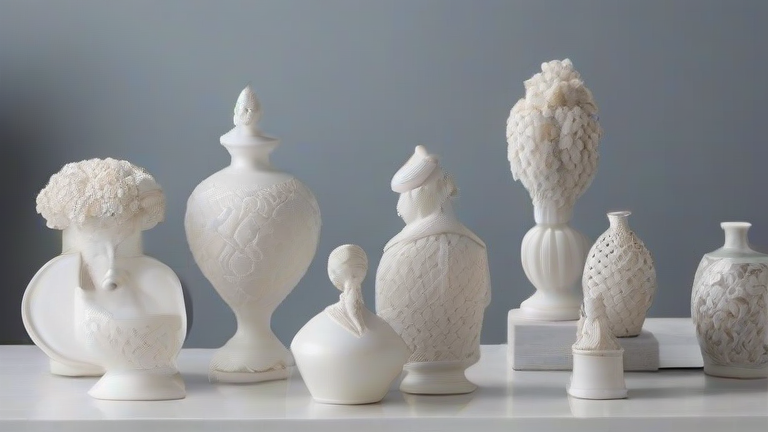
TL;DR: Porcelain figurines and sculptures are timeless decor pieces that bridge the gap between travel souvenirs, cultural storytelling, and personal growth. They add tactile elegance to any room while preserving memories, craft traditions, and your evolving aesthetic sense.
Why Porcelain Figurines Are More Than Dust Collectors
In an era of mass-produced minimalism, porcelain figurines stand as quiet rebels—each one a frozen moment of human expression. Unlike flat prints or digital art, these three-dimensional sculptures invite touch, play with light through their glazed surfaces, and demand a closer look. Whether it’s a delicate ballerina, a whimsical animal, or a replica of a historic landmark, a porcelain piece carries the weight of the artisan’s hands and the kiln’s unpredictable fire. That imperfection is their soul.
If you want to dig deeper, check out our guide on Health Risks of Old Porcelain Figurines: Lead & Safety.
The Travel Connection: Souvenirs That Tell Stories
Travel often ends with a fridge magnet or a keychain, but the more meaningful keepsake is a porcelain figurine bought from a local workshop. In Portugal, you might find a hand-painted rooster (Galo de Barcelos) symbolizing justice. In Japan, a tiny Daruma doll represents perseverance. In Germany, a nutcracker-style figurine captures festive folklore. These pieces do more than decorate—they anchor your memory to a place, a conversation with a shopkeeper, or the smell of a foreign bakery. Display them on a shelf or mantel, and your home becomes a personal museum of journeys taken and lessons learned.
Cultural Craftsmanship and Personal Growth
Collecting porcelain is also a practice in patience and discernment. You learn to spot hand-painted details versus printed decals, to appreciate the weight of fine bone china, and to accept that some pieces will chip—teaching you that beauty survives imperfection. As your collection grows, so does your eye for balance and narrative. A lone figurine can feel lonely; group three of varying heights for rhythm. Mix a traditional shepherdess with a modern abstract bust to show that your taste is not static but evolving. This curation is a form of self-expression, a daily reminder that you are the artist of your own living space.
Styling Tips for Modern Homes
Don’t relegate porcelain to dusty china cabinets. Place a small sculpture on a stack of coffee-table books, letting it reflect natural light. Use a single figurine as a paperweight on your desk—it’s a tactile break from screen time. For a bold move, hang a porcelain wall sculpture (like a relief of a blooming flower) above your bed. The key is contrast: pair delicate porcelain with rough wood, linen, or leather to make both materials shine.
FAQ
Q: How do I clean porcelain figurines without damaging them?
A: Dust them weekly with a soft, dry makeup brush or a microfiber cloth. For deeper cleaning, use lukewarm water with a drop of mild dish soap, then rinse and air-dry immediately. Never soak them, and avoid abrasive sponges or harsh chemicals.
Q: Are porcelain figurines a good investment?
A: Financially, only rare or antique pieces from known makers (like Meissen or Lladró) appreciate in value. Emotionally, however, they are priceless—as long as you buy what speaks to you, not just what seems marketable.
Q: Can I mix porcelain figurines with modern or industrial decor?
A: Absolutely. The contrast is the charm. Place a white porcelain deer next to a black steel lamp, or a pastel figurine on a raw concrete shelf. The softness of porcelain humanizes harsh materials, creating a balanced, lived-in feel.
Leave a Reply