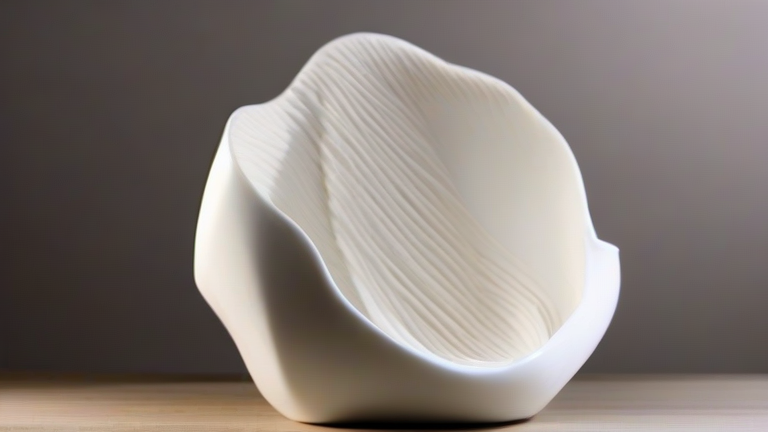
TL;DR: Profitable porcelain figurine ventures today hinge on niche specialization—think bespoke pet memorials, pop-culture miniatures, or architectural replicas—rather than generic giftware. Leverage online print-on-demand for low-risk testing, but scale via B2B commissions and limited-edition drops to sustain margins.
Market Analysis: The Shift from Mass to Meaning
The global decorative figurine market, valued at roughly $4.2 billion in 2024, has seen a bifurcation. Low-end mass-produced pieces (under $20) are squeezed by cheap resin imports, while high-end artisan porcelain (above $150) grows at 7.8% CAGR. The sweet spot? Custom and semi-custom figurines priced $50–$120. Buyers are no longer purchasing “dust collectors”; they’re buying emotional tokens—commemorations of weddings, births, pets, or fandom identities. Etsy alone saw a 34% year-over-year rise in “personalized porcelain” searches. Crucially, the manufacturing barrier has dropped: small-batch slip-casting studios (like those using 3D-printed masters) can produce 200–500 units monthly without a kiln factory, using outsourced firing services.
If you want to dig deeper, check out our guide on Invest in Porcelain Figurines: Art, History & Value.
Strategy Insights: Three Proven Lanes
1. The Memorial Niche (High Margin, Low Volume) Porcelain pet urns and human cremation keepsake figurines command 60–70% gross margins. Strategy: partner with funeral homes and veterinary clinics as referral partners. Offer a “portrait figurine” service using a photo and a clay sculptor on freelance platforms (e.g., Upwork) for the master mold. Case study: *ClayMourn* (a UK startup) launched with 12 cat figurine designs, each personalized with a collar tag engraving. Within 18 months, they reached $180k annual revenue with zero retail footprint, relying on Instagram reels showing the hand-painting process.
2. The Collector’s Drop Model (Scarcity + Story) Instead of perpetual inventory, release 50–100 numbered figurines per month with a narrative theme (e.g., “Victorian Apothecary” or “Studio Ghibli-inspired foxes”). Use pre-orders only. This eliminates warehousing and creates urgency. Case study: *Porcelain Arcana* in Portland, Oregon, releases a monthly “Mythic Botanist” series. Each piece costs $89, sells out in 48 hours, and has a resale value of $300+ on secondary markets. Their secret: a members-only Facebook group where buyers vote on the next design, fostering co-creation loyalty.
3. B2B Architectural & Corporate Gifts Hotels, law firms, and tech companies buy custom porcelain monuments (e.g., a building replica or logo sculpture) for lobbies or investor gifts. Average order value: $5,000–$20,000. Strategy: target interior designers via LinkedIn and trade shows. Case study: *Studio Forma* in Rotterdam produces miniature porcelain replicas of historic canal houses, sold to boutique hotels as welcome gifts (bulk orders of 200+). They reduced per-unit cost by 40% by using a local ceramic cooperative’s idle kiln capacity during off-hours.
Operational Pitfalls & Mitigation
Shrinkage and breakage are your top risks. Mitigate by using bi-axial shock-absorbing packaging (custom foam inserts) and insured freight for orders over $500. Also, avoid chasing trends: porcelain’s production lead time is 4–6 weeks, so you cannot react to viral TikTok moments. Instead, build a “trend radar”—monitor Pinterest saves and Etsy favorites for seasonal spikes (e.g., Halloween skull figurines) and pre-produce 3 months ahead. Finally, pricing psychology: bundle a figurine with a walnut display base and a certificate of authenticity to justify a $30 premium.
FAQ
Q: Do I need a kiln or ceramic skills to start?
A
Leave a Reply