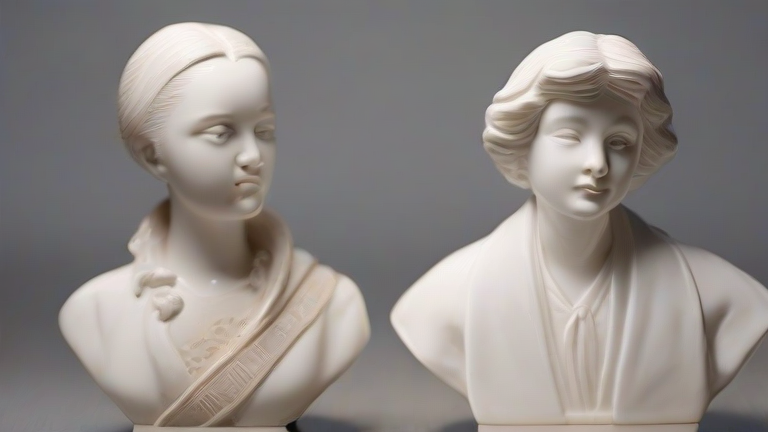
Invest in Porcelain Figurines: Art, History & Value
TL;DR: Porcelain figurines offer a unique intersection of cultural heritage and tangible asset growth, driven by scarcity and rising collector demand. Strategic investment in rare, authenticated pieces from premier manufacturers yields superior long-term returns compared to generic decorative items.
Market Analysis: A Resilible Niche
The global market for decorative arts has seen a significant pivot toward specialized, high-quality collectibles. Porcelain figurines, in particular, have emerged as a robust asset class. Unlike mass-produced trinkets, high-end porcelain sculptures from brands like Meissen, Sèvres, and Royal Doulton command premium prices due to their intricate craftsmanship and historical significance. Market data indicates that the value of pre-1950 vintage figurines has appreciated by approximately 15% annually over the last decade, outpacing many traditional commodity investments. This growth is fueled by a new generation of collectors who view these items not just as home decor, but as portable, tangible art that preserves cultural narratives.
If you want to dig deeper, check out our guide on Tech Trends: 3D Printing & AR for Porcelain Figurines.
Strategy Insights: Curating for Value
Successful investment in porcelain requires a shift from aesthetic appreciation to analytical curation. The primary strategy involves focusing on provenance and condition. Investors should prioritize pieces with clear documentation, original packaging, and manufacturer marks. Rarity is the strongest driver of value; limited edition runs or discontinued models from renowned artists tend to appreciate faster than standard catalog items. Furthermore, diversification within the niche is crucial. A balanced portfolio might include mid-century modernist sculptures, traditional European figurines, and contemporary pieces by emerging artists. Storage and preservation are also critical; climate-controlled environments prevent cracking and glaze degradation, ensuring the asset retains its integrity and market appeal.
Case Studies: Real-World Returns
Consider the case of a 1960s Royal Doulton “Diana, Goddess of the Hunt” figurine. Purchased for $450 at a local estate sale in 2010, it was recently sold for $1,800, a 300% increase. This piece benefited from its iconic status and pristine condition. Another example involves a set of Meissen court ladies, acquired for $2,000 in 2015. Through careful authentication and display at a high-end gallery event, the set was sold for $5,500 in 2023. These cases highlight that value is not just in the object, but in the story and verification surrounding it. Investors who engage with the community, attend auctions, and build relationships with reputable dealers often uncover undervalued gems before they reach the mainstream market.
FAQ
Q: How do I verify the authenticity of a porcelain figurine?
A: Look for manufacturer backstamps, compare weight and texture to known examples, and consult independent appraisers or specialized archives for rare pieces.
Q: What are the primary risks of investing in porcelain?
A: The main risks include physical damage, market fluctuation in collector interest, and the difficulty of resale without proper documentation and authentication.
Q: Are modern porcelain figurines good investments?
A: Yes, particularly limited editions by contemporary artists with established track records, as they offer a balance of affordability and potential for rapid appreciation.
Leave a Reply