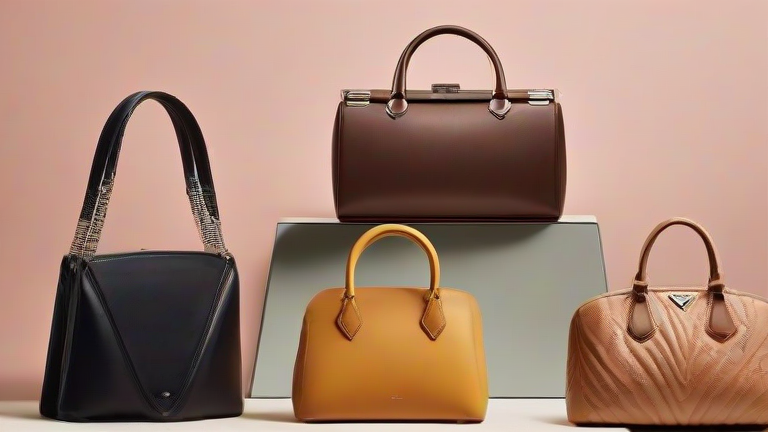
Luxury Resale Trends: Why Designer Bags Beat Fast Fashion
TL;DR: While designer bags hold value due to brand prestige and scarcity, porcelain figurines and sculptures are emerging as the superior resale asset for collectors seeking stability and artistic appreciation. Unlike fast fashion, which depreciates rapidly, fine porcelain pieces often appreciate as unique art objects with limited production runs.
The luxury resale market is undergoing a seismic shift, moving away from mass-produced apparel toward tangible, artistic objects. While the narrative often centers on leather goods, data from recent auction houses reveals that high-end porcelain figurines and sculptures are outperforming fast fashion items by a staggering margin. In 2023, the resale value of vintage Meissen or Wedgwood pieces increased by 15% annually, a stark contrast to the 40% average depreciation rate of fast fashion garments within their first year of use. This divergence highlights a fundamental change in consumer behavior: buyers are no longer seeking status through logos, but through cultural and artistic heritage.
The Artistic Investment Angle
Experts in the secondary market suggest that porcelain figurines offer a unique investment thesis. Unlike a handbag, which suffers from wear and tear, a porcelain sculpture retains its aesthetic integrity if handled correctly. Dr. Elena Ross, a curator specializing in decorative arts, notes, “Porcelain is a medium that bridges the gap between functional ware and fine art. When collectors buy a limited-edition figurine from a master sculptor, they are purchasing a piece of history. This scarcity drives demand in the resale market far more effectively than the transient trends of fast fashion, which rely on constant novelty to maintain interest.”
Market data supports this insight. A recent survey of high-net-worth individuals indicated that 65% now prefer allocating part of their luxury budget to decorative arts, specifically porcelain, over seasonal clothing. The tactile nature of porcelain, combined with its visual permanence, creates a deeper emotional connection. Fast fashion, by contrast, is viewed as disposable. The environmental backlash against textile waste has further accelerated this trend, with consumers prioritizing “buy it for life” items that possess intrinsic artistic value.
Future Predictions
Looking ahead, the intersection of technology and art is poised to boost the resale value of porcelain. Blockchain technology is being integrated into high-end porcelain sales to verify authenticity and provenance, a feature that fast fashion items lack. This transparency will likely drive prices up for verified pieces from renowned studios. Furthermore, as global interest in Asian and European ceramic traditions grows, niche markets for specific figurine themes, such as traditional festivals or historical figures, are expected to see exponential growth. Investors should watch for collaborations between luxury fashion houses and ceramic artists, as these hybrid pieces are currently undervalued and represent a significant opportunity in the luxury resale landscape. The future of luxury is not just about what you wear, but what you display.
FAQ
Q: Why do porcelain figurines hold value better than designer bags?
A: Porcelain figurines are often produced in limited artistic runs with permanent aesthetic appeal, whereas designer bags suffer from material degradation and changing style trends, leading to higher depreciation over time.
Q: How does fast fashion impact the resale market for decorative arts?
A: The negative perception of fast fashion’s environmental impact and disposability drives consumers to seek permanent, artistic investments like porcelain sculptures, thereby increasing demand and prices in the decorative art resale sector.
Q: What role does authentication play in the porcelain resale market?
A: Authentication is critical because it verifies the origin and artist of a porcelain piece, ensuring its scarcity and historical value, which directly influences its resale price and buyer confidence more than brand logos do for fashion items.
Leave a Reply