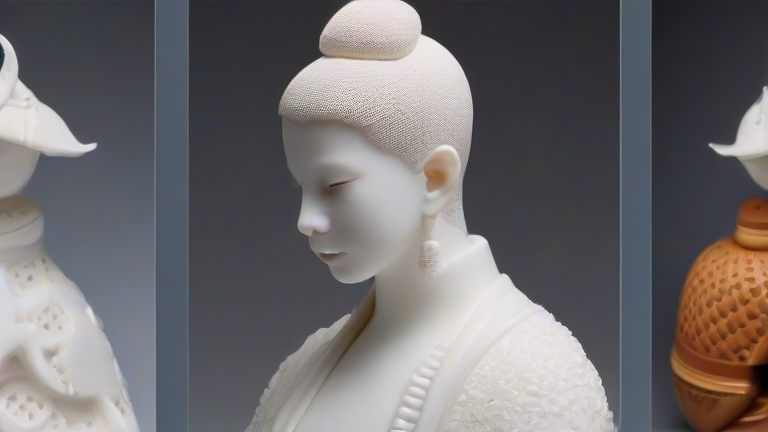
TL;DR: Advanced additive manufacturing and digital simulation tools are enabling unprecedented micro-precision in porcelain figurine production, allowing for intricate details previously impossible to achieve via traditional casting. This technological integration reduces material waste by up to 40% while enabling mass customization of high-end sculptural pieces.
The Digital Kiln Revolution
The intersection of ceramic arts and industrial technology is no longer a distant futuristic concept; it is the current standard for high-value porcelain manufacturing. Traditional figurine creation relied heavily on skilled artisans manually carving molds, a process prone to human error and inconsistent quality control. Today, high-resolution 3D scanning allows digital artists to capture minute surface textures, converting them into precise digital blueprints. These models are then processed through specialized software that accounts for the specific shrinkage rates of porcelain clay during the firing process. This pre-emptive digital correction ensures that the final fired figurine matches the original digital design with a tolerance of less than 0.1 millimeters, a feat unattainable with manual methods.
Advanced Materials and Robotics
Recent developments in robotic extrusion systems have transformed the physical creation of porcelain sculptures. Equipped with piezoelectric valves and force-feedback sensors, these robots can deposit porcelain slurry with extreme accuracy, creating delicate structures such as thin wings or intricate lace-like patterns without support materials. The slurry itself has evolved; new formulations include nanoscale additives that enhance the translucency and strength of the final product. These materials can withstand higher thermal stresses, allowing for more complex geometries that would previously crack during the kiln cycle. Furthermore, the integration of AI-driven quality control systems uses high-speed cameras and spectral analysis to detect microscopic flaws in real-time, rejecting defective pieces before they consume energy in the kiln.
Industry Impact and Sustainability
The adoption of these technologies has profound implications for the global ceramics market. By optimizing material usage and reducing the number of failed batches, manufacturers report significant cost savings and a lighter environmental footprint. The shift towards digital workflows also democratizes access to high-end porcelain art, as small studios can now compete with large manufacturers through rapid prototyping and on-demand production. This agility allows brands to release limited-edition figurines in response to real-time market trends, reducing inventory risk. As 4D printing technologies emerge, promising materials that change shape after firing, the potential for dynamic porcelain sculptures is on the horizon. The industry is moving toward a model where art is not just crafted but computationally engineered, blending the warmth of traditional ceramics with the cold precision of modern software. This hybrid approach ensures that porcelain remains a vibrant and evolving medium for the next century.
FAQ
Q: Does digital printing reduce the artistic value of porcelain figurines?
A: No, many artists argue it enhances value by allowing for complexity that exceeds human manual capability, while still preserving the unique tactile qualities of fired porcelain.
Q: What is the typical cost difference between traditional and tech-enabled production?
A: Initial setup for digital tools is high, but per-unit costs drop significantly for complex designs due to reduced labor hours and lower waste rates.
Q: Can all types of porcelain be used in digital extrusion systems?
A: Not all; the clay must be formulated with specific viscosity and flow characteristics to work with automated nozzles without clogging or degrading structural integrity.
Leave a Reply