Blog

  • Porcelain Figurine Tutorial: Sculpt & Glaze Step-by-Step

    Porcelain Figurine Tutorial: Sculpt & Glaze Step-by-Step

    TL;DR: To create a porcelain figurine, you must master the delicate balance of wedging, hand-building, and careful glazing to achieve a translucent finish. Success depends on precise firing schedules and selecting compatible glazes that enhance the clay body’s unique characteristics without cracking.

    Understanding Porcelain Clay

    Porcelain is distinct from stoneware or earthenware due to its high silica and kaolin content. This composition allows it to become vitrified and translucent when fired to high temperatures. Unlike softer clays, porcelain is notoriously finicky. It has low plasticity, meaning it dries out quickly and is prone to cracking if handled improperly. Always use a dedicated porcelain clay body, such as a standard white or clear porcelain, to ensure the best results for detailed figurine work. Avoid mixing porcelain with other clay bodies, as differing shrinkage rates will cause catastrophic failure during the bisque firing.

    If you want to dig deeper, check out our guide on 7 Viral Streetwear Trends Taking Over Sneaker Culture.

    Preparation and Wedging

    Proper preparation is non-negotiable for porcelain. Begin by wedging your clay thoroughly to remove air bubbles and ensure uniform consistency. Use the spiral wedging technique, pressing and rotating the clay repeatedly until it feels smooth and cohesive. If you find dry spots or cracks during wedging, discard that portion immediately, as these weak points are likely to explode in the kiln. Knead the clay until it reaches a plastic state that holds its shape without crumbling. This step is critical because porcelain lacks the elasticity of other clays, making it susceptible to internal stresses that can lead to distortion during drying.

    Sculpting the Figurine

    For small figurines, hand-building is often superior to wheel-throwing. Start with a solid base to ensure stability. Build up the form layer by layer, adding small amounts of clay at a time. Use scoring and slipping to join sections securely. Scoring involves creating rough lines on the joining surfaces, while slip acts as the adhesive. Work quickly, as porcelain dries fast. If a section dries out, re-wet it gently with a sponge before adding more clay. Use a variety of sculpting tools to refine details, such as facial features or clothing textures. Keep the design simple initially, as intricate details can become lost or fragile during the firing process. Smooth the surface with a damp sponge to eliminate tool marks before the piece is fully leather-hard.

    Drying and Bisque Firing

    Drying is the most dangerous phase for porcelain. Cover the figurine loosely with a plastic bag to slow down evaporation. Check it regularly and turn it over to ensure even drying. Any rapid changes in humidity or temperature can cause cracks. Once the piece is bone dry, place it in the kiln for a bisque firing. Bisque firing at cone 06 to cone 04 renders the clay porous and ready for glazing. This step also removes organic matter and chemically binds the clay particles, making the figurine stronger and easier to handle without breaking.

    Glazing Techniques

    Glazing porcelain requires careful selection. Choose glazes specifically formulated for high-fire porcelain, typically cone 6 to cone 10. Dip, pour, or brush the glaze onto the bisque-fired figurine. Ensure an even coat, as thin areas may remain matte while thick areas can run or pool. Avoid glazing the bottom foot, as this can cause the piece to fuse to the kiln shelf. Use a kiln wash or a dedicated kiln shelf to protect your equipment. The glaze will melt and fuse with the clay body during the final firing, creating a glass-like surface.

    Final Firing and Finishing

    Load the kiln carefully, ensuring adequate space between pieces to prevent sticking. Fire to the desired cone, maintaining a steady temperature curve. A slow cooling cycle is essential to prevent thermal shock. Once cooled, inspect the figurine for any glaze defects. If necessary, sand down any rough edges with fine-grit sandpaper. Your porcelain figurine is now complete, showcasing the elegance and translucency unique to this medium.
    FAQ</

    Related Articles

  • Porcelain Figurines Tutorial: How to Sculpt & Paint Stunning Art

    Porcelain Figurines Tutorial: How to Sculpt & Paint Stunning Art

    Porcelain Figurines Tutorial: How to Sculpt & Paint Stunning Art

    TL;DR: Create stunning porcelain figurines by combining high-quality porcelain clay with precise sculpting techniques and careful layering of underglaze paints. Mastering the firing schedule and finishing with a protective glaze ensures your art remains durable and vibrant for decades.

    Materials and Preparation

    Begin by gathering essential tools, including a porcelain clay body, sculpting tools, a wire cutter, and a clean workspace. Porcelain is known for its translucency and strength, but it is also challenging to work with due to its plasticity. Ensure your workspace is dust-free to prevent impurities from contaminating the clay. Hydrate the clay properly if using a pre-mixed batch, kneading it until it reaches a uniform, pliable consistency that is not too sticky or dry.

    If you want to dig deeper, check out our guide on Porcelain Figurines: Timeless Art for Your Modern Home.

    Sculpting the Form

    Start with a solid armature made of wire or clay to support the figurine’s weight. Build up the form using coils or slabs, blending them seamlessly into the base. Use rib tools to smooth the surface, eliminating any fingerprints or tool marks. Pay close attention to proportions and anatomical details, as porcelain shrinks significantly during firing. Allow the piece to dry slowly under a plastic wrap to prevent cracking. Once leather-hard, you can add finer details like hair strands or fabric folds using fine-tip tools.

    Bisque Firing

    After the piece is bone dry, place it in the kiln for a bisque firing. This initial firing removes moisture and burns out organic materials, making the porcelain porous and ready for painting. The temperature should reach approximately 900 degrees Celsius. Let the kiln cool naturally before removing the figurine to avoid thermal shock. Inspect the piece for any hairline cracks or defects that may have developed during the firing process.

    Painting and Glazing

    Apply thin, even layers of underglaze paint to achieve rich, vibrant colors. Allow each layer to dry completely before applying the next to prevent bleeding. For intricate designs, use a fine brush or airbrush. Once the painting is complete, apply a clear glaze to protect the artwork and enhance its gloss. Ensure the glaze is applied evenly to avoid pooling. Finally, fire the piece at a high temperature, typically between 1280 and 1300 degrees Celsius, to vitrify the porcelain. This final firing makes the figurine waterproof and durable. Let it cool slowly to ensure the glaze sets correctly without crazing.

    FAQ

    Q: What is the best clay for porcelain figurines?
    A: Use a high-quality hard porcelain clay, which offers excellent plasticity and minimal shrinkage, ensuring fine details are preserved.

    Q: How can I prevent cracks during drying?
    A: Dry the figurine slowly by covering it with plastic wrap and maintaining a consistent humidity level in the room.

    Q: Why does my glaze look dull after firing?
    A: Dull glazes often result from insufficient firing temperature or contamination; ensure the kiln reaches the correct cone temperature and clean the surface thoroughly before glazing.

    Related Articles

  • Porcelain Sculpture Tutorial: Step-by-Step Guide

    Porcelain Sculpture Tutorial: Step-by-Step Guide

    Porcelain Sculpture Tutorial: Step-by-Step Guide

    TL;DR: To create a durable porcelain figurine, you must properly prepare your clay, sculpt with precision, and execute a two-step firing process to achieve a glossy, white finish. Success relies on maintaining consistent moisture levels and ensuring the kiln reaches the correct high temperatures for vitrification.

    Porcelain is a premium ceramic material prized for its strength, translucency, and pristine white appearance. Unlike standard earthenware, porcelain requires specific techniques to handle its unique plasticity and firing requirements. This guide will walk you through the essential steps to craft a professional-grade porcelain sculpture, from initial setup to final glazing. Whether you are creating a delicate floral arrangement or a complex human figurine, mastering these steps ensures your artwork will last for generations.

    If you want to dig deeper, check out our guide on Does Collecting Porcelain Figurines Boost Your Mental Health.

    Step 1: Preparing Your Materials

    Begin by selecting high-quality porcelain clay, which typically contains kaolin, feldspar, and quartz. Knead the clay thoroughly to remove air bubbles, as these can cause explosions during firing. Use a damp cloth to keep the clay moist while working. Prepare a clean, smooth surface, such as a metal or plastic board, to support your sculpture. Ensure all tools, including modeling tools, wire cutters, and smoothing sponges, are clean and ready for use. Proper preparation prevents contamination and ensures a smooth workflow.

    Step 2: Building the Base

    Start by creating a stable base for your figurine. Roll the clay into a ball and flatten it into a disc shape, ensuring it is thick enough to support the weight of the sculpture. If you are creating a standing figure, consider making a slightly larger base to provide necessary stability. Use a sponge to smooth the edges and blend any seams. It is crucial that the base is perfectly level; any tilt will compromise the structural integrity of the final piece. Allow the base to dry slightly until it reaches a firm leather-hard state before attaching the main body.

    Step 3: Sculpting the Form

    Attach the main body to the base using slip, a liquid clay mixture, to ensure a strong bond. Build up the form gradually, adding small amounts of clay at a time. Use your fingers and modeling tools to shape the contours, paying close attention to anatomical details or specific design features. For porcelain, remember that it shrinks significantly during drying and firing, so make your piece slightly larger than desired. Smooth out any tool marks with a wet sponge to achieve a seamless surface. Check for cracks regularly, as porcelain is prone to cracking if it dries unevenly.

    Step 4: Drying and Bisque Firing

    Once the sculpture is complete, it must dry slowly and evenly. Cover it loosely with plastic wrap to prevent rapid moisture loss, which can cause warping. The drying process can take several days or weeks depending on the size and humidity. Once bone dry, place the piece in a kiln for the bisque firing. This initial firing, typically around 1800 to 1900 degrees Fahrenheit, turns the clay into a porous ceramic. This step makes the piece sturdy enough to handle and prepares it for glazing.

    Step 5: Glazing and Final Firing

    After the bisque firing, apply your chosen glaze. Porcelain is often left unglazed to showcase its natural white texture, but if you want a glossy finish, use a clear glaze. Dip the piece into the glaze or brush it on, ensuring even coverage. Avoid pooling glaze in crevices, as this can cause defects. Once the glaze is dry, place the sculpture back in the kiln for the glaze firing. This final step requires higher temperatures, usually between 2200 and 2400 degrees Fahrenheit, to achieve full vitrification. Let the kiln cool completely before removing your finished porcelain sculpture.

    By following these steps, you can create beautiful, durable porcelain artworks that highlight the elegance of this exceptional material. Practice patience and precision to

    Related Articles

  • Digital Preservation: Scanning & 3D Printing Porcelain Figures

    Digital Preservation: Scanning & 3D Printing Porcelain Figures

    Digital Preservation: Scanning & 3D Printing Porcelain Figures

    TL;DR: High-precision structured light scanners now capture micron-level details of delicate porcelain figurines, creating robust digital twins for permanent archival. Advanced 3D printing technologies using photopolymer resins allow for high-fidelity reproduction, ensuring that fragile historical sculptures can be preserved, studied, and shared without risking physical damage to the originals.

    The Evolution of Digital Archiving

    The preservation of artistic heritage has always been a battle against time, material fatigue, and accidental damage. Porcelain figurines and sculptures, renowned for their exquisite translucency and fine surface detailing, are particularly vulnerable. Traditional archiving methods, such as photography and manual measurement, often fail to capture the complex curvature and subtle glaze variations inherent in these pieces. However, the latest developments in photogrammetry and laser scanning have revolutionized this field. Modern systems can now generate point clouds with resolutions exceeding 50 microns, allowing conservators to document every chip, crack, and brushstroke with unprecedented accuracy. This digital layer serves as an immutable record, ensuring that even if the physical artifact is lost, its digital ghost remains intact for future generations.

    If you want to dig deeper, check out our guide on Porcelain Figurines: Health Benefits & Safe Display Tips.

    Technical Specifications and Workflow

    The process begins with non-contact 3D scanning. For delicate porcelain, structured light scanners are preferred over laser systems to avoid potential thermal stress. These devices project patterns of light onto the figurine, capturing depth information through triangulation. The resulting data is processed into a watertight mesh, typically saved in STL or OBJ formats. To ensure color fidelity, which is critical for glazed ceramics, high-resolution texture mapping is applied. The mesh is then prepared for 3D printing. While porcelain can be 3D printed using ceramic powder bed fusion, this is costly and slow for single items. Therefore, the industry increasingly relies on high-resolution stereolithography (SLA) or digital light processing (DLP) using clear or white photopolymer resins. These resins can achieve layer heights as low as 25 microns, perfectly replicating the smooth, glossy finish of original porcelain glazes. Post-processing involves careful sanding and curing to remove support structures and harden the print, followed by hand-painting to match the original pigments.

    Industry Impact and Future Prospects

    The integration of scanning and 3D printing into the porcelain preservation sector has profound implications for museums, galleries, and collectors. It enables the creation of touchable replicas for educational purposes, allowing visitors to interact with the form of famous sculptures without handling the fragile originals. This democratizes access to art, making high-value pieces available in classrooms and digital galleries worldwide. Furthermore, this technology aids in restoration. By comparing a scanned current state with a historical digital model, conservators can precisely identify missing fragments and fabricate exact replacements. The cost of digital archiving has dropped significantly, making it feasible for smaller institutions to preserve their collections. As resolution capabilities continue to improve, we can expect even more nuanced captures of surface textures, such as the subtle crazing in old glazes. Ultimately, this synergy between digital technology and traditional craftsmanship ensures that the beauty of porcelain figurines will endure, transcending the physical limitations of the material itself.

    FAQ

    Q: Can 3D printed porcelain figures be mistaken for the originals?
    A: While high-resolution resin prints can be visually indistinguishable from a distance, experts can identify them through material analysis, weight differences, and the absence of traditional kiln firing marks, ensuring they serve as replicas rather than forgeries.

    Q: What is the resolution limit for scanning delicate porcelain sculptures?
    A: Current state-of-the-art structured light scanners achieve resolutions between 10 and 50 microns, which is sufficient to capture fine details like hair strands, facial features, and surface glaze imperfections on small figurines.

    Q: Is it legal to 3D print and sell copies of museum porcelain?
    A: Legality depends on the specific copyright and moral rights laws of the jurisdiction, as well as the museum

    Related Articles

  • Top 10 Home Decor Trends: Why Rattan Furniture Is Back

    Top 10 Home Decor Trends: Why Rattan Furniture Is Back

    TL;DR: Rattan furniture is resurging due to a global demand for biophilic design and sustainable materials, creating a synergistic market with porcelain figurines. This trend drives collectors to pair natural woven textures with delicate ceramic sculptures to create balanced, high-value aesthetic displays.

    The Resurgence of Natural Textures in Modern Interiors

    The interior design landscape is undergoing a significant shift, moving away from stark minimalism toward warm, organic maximalism. At the forefront of this movement is the resurgence of rattan furniture, which has become a cornerstone of contemporary living spaces. According to recent market data from the Global Home Furnishings Report, sales of natural fiber furniture have increased by 24% year-over-year, with rattan leading the charge. This growth is not merely aesthetic but is driven by a deep-seated consumer desire for sustainable, eco-friendly materials that connect indoor spaces with the natural world.

    If you want to dig deeper, check out our guide on Top 10 Porcelain Figurines & Sculptures for Home Decor.

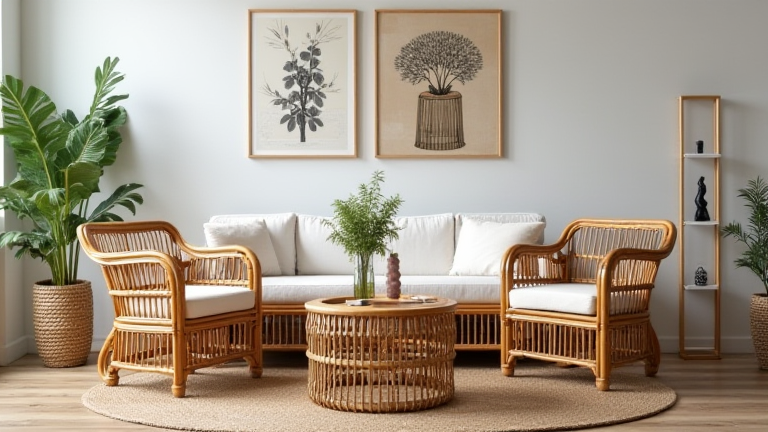
    However, the story does not end with the furniture itself. The true innovation in this trend lies in how rattan serves as the perfect backdrop for porcelain figurines and sculptures. Design experts note that the intricate, open-weave patterns of rattan pieces provide a textured canvas that highlights the smooth, glossy finish of porcelain. This contrast creates a visual dialogue between the raw, earthy material of the rattan and the refined, artistic nature of the ceramic. For instance, placing a detailed porcelain dragon sculpture on a rattan side table draws the eye immediately to the art piece, while the natural tones of the wood frame the piece without competing for attention.

    Market analysts from TrendWatch Home Decor highlight that this specific pairing is driving higher average transaction values in the decorative arts sector. Consumers are no longer buying single items; they are curating ecosystems. A study indicates that households incorporating both natural woven furniture and collectible porcelain sculptures spend 35% more on home decor than those focusing on one category alone. This suggests a sophisticated buying behavior where the furniture acts as a stage for the sculpture, enhancing the perceived value of the entire arrangement.

    Expert insights from leading interior designers emphasize the psychological impact of this combination. Dr. Elena Rossi, a specialist in environmental psychology, states, “Rattan brings a sense of grounding and stability, while porcelain figurines offer a touch of whimsy and cultural heritage. Together, they create a space that feels both anchored and inspired, which is exactly what modern consumers are seeking in their homes.”

    Looking to the future, predictions suggest that this trend will accelerate as 3D printing technology allows for more complex porcelain designs that can be perfectly scaled to fit specific rattan furniture pieces. We expect to see a rise in limited-edition collaborations where furniture manufacturers and porcelain artists co-create exclusive sets. Furthermore, the focus on sustainability will likely lead to the development of biodegradable porcelain glazes, ensuring that the artistic elements remain as environmentally responsible as the furniture itself. As the market matures, we anticipate that the integration of artisanal porcelain sculptures with natural fiber furniture will become a standard expectation in high-end interior design, rather than a niche preference.

    FAQ

    Q: Why is rattan furniture trending again in 2024?
    A: It is driven by the biophilic design movement and a consumer demand for sustainable, natural materials that offer warmth and texture to modern spaces.

    Q: How do porcelain sculptures complement rattan furniture?
    A: The smooth, glossy surface of porcelain contrasts beautifully with the rough, organic texture of rattan, creating a balanced visual hierarchy that highlights both the art and the structure.

    Q: What future developments are expected in this market?
    A: Future trends will likely include co-branded collections between furniture makers and porcelain artists, as well as the use of advanced 3D printing to create custom sculptures that fit specific furniture designs.

    Related Articles

  • How to Make Porcelain Figurines: A Step-by-Step Tutorial

    How to Make Porcelain Figurines: A Step-by-Step Tutorial

    TL;DR: Create porcelain figurines by carving a wax master to produce a mold, then casting fine porcelain slip into that mold. After demolding and trimming, bisque fire the piece, apply glazes, and perform a final high-temperature glaze firing to achieve the signature translucent finish.

    Preparation and Materials

    Before beginning, ensure your workspace is well-ventilated and equipped with safety gear, including a dust mask and goggles. You will need high-quality porcelain clay, which is known for its white color and translucency when fired. Essential tools include a wax carving kit, a plaster mold making kit, a vacuum degasser for the slip, and a high-temperature kiln capable of reaching cone 10 temperatures. Porcelain is unforgiving compared to stoneware, so patience and precision are critical from the start.

    If you want to dig deeper, check out our guide on Investing in Porcelain: Top Figurines for Your Collection.

    Creating the Master Pattern

    The first step in making porcelain figurines involves sculpting a master model. For beginners, carving a wax master is recommended because it allows for easy corrections. Use a hard wax that withstands heat without melting too quickly. Carve your figurine with intricate details, keeping in mind that sharp edges may not transfer perfectly to the mold. Smooth the surface thoroughly, as any imperfections in the wax will be replicated in the final porcelain product. Once satisfied with the design, prepare the wax master for molding by applying a release agent to prevent the plaster from sticking.

    Molding and Casting

    Construct a two-part plaster mold around the wax master. Plaster of Paris is ideal for this process due to its high porosity, which draws water from the slip and allows the mold to dry quickly. Once the mold is set, remove the wax master by heating it gently. Mix your porcelain slip to the consistency of heavy cream. Vacuum degas the slip to remove air bubbles, which can cause pinholes in the final figurine. Pour the slip into the plaster mold, tapping it gently to ensure it fills all details. After a few hours, when the slip has set but is still soft, pour out the excess liquid. Allow the mold to dry completely before demolding.

    Trimming and Bisque Firing

    Carefully open the mold and remove the wet porcelain figurine. It is now in a leather-hard state, perfect for trimming. Use a needle tool to remove any flash or excess clay from the seams. Add any final details or texture if necessary. Let the figurine dry slowly to prevent cracking. Once bone-dry, place the piece in the kiln for a bisque firing at approximately 1000 degrees Celsius. This initial firing hardens the clay, making it porous enough to absorb glaze but still fragile enough to handle with care.

    Glazing and Final Firing

    Apply your chosen glazes using a brush or dipping method. Porcelain figurines often benefit from transparent or matte glazes that highlight the white body of the clay. Avoid thick applications of glaze, as this can cause crawling or pinholes. Ensure the feet of the figurine are glazed with a wax resist to prevent it from sticking to the kiln shelf. Load the kiln carefully and fire to a glaze temperature of around 1300 degrees Celsius. This high heat vitrifies the porcelain, creating a glass-like surface that is durable and beautiful. Allow the kiln to cool completely before removing your finished porcelain sculpture.

    FAQ

    Q: Why is my porcelain figurine cracking during drying?
    A: Cracking usually occurs due to uneven drying or rapid moisture loss. Ensure the piece dries slowly in a humid environment and avoid drafts. Trimming too thick sections can also create stress points that lead to cracks.

    Q: What temperature is required for the final glaze firing?
    A: The final glaze firing for porcelain typically requires a temperature between 1280 and 1320 degrees Celsius, depending on the specific glaze formulation and desired translucency effect.

    Q: Can

    Related Articles

  • Porcelain Figurines & Sculptures: Timeless Art for Your Home

    Porcelain Figurines & Sculptures: Timeless Art for Your Home

    TL;DR: Porcelain figurines and sculptures offer a unique blend of historical artistry and modern aesthetic appeal, transforming any room into a gallery of elegance. They serve as timeless decorative pieces that combine intricate craftsmanship with durable, high-quality materials, making them ideal for both collectors and casual home decorators seeking sophisticated accents.

    The Allure of Porcelain Art

    Porcelain has long been revered for its translucency, strength, and ability to capture minute details. Unlike mass-produced plastic or resin items, handcrafted porcelain figurines possess a soul that resonates with viewers. Whether you are drawn to classical European busts, whimsical animal sculptures, or contemporary abstract forms, porcelain provides a versatile medium that fits seamlessly into various interior design styles, from Victorian to minimalist. The subtle sheen of the glaze catches light beautifully, adding depth and dimension to shelves, mantels, and coffee tables.

    If you want to dig deeper, check out our guide on Porcelain Figurine Trends: What’s Hot in Collectibles.

    Feature Highlights

    When selecting porcelain pieces, several key features stand out. First, the firing temperature is crucial; high-fire porcelain, which is fired at over 2,300 degrees Fahrenheit, results in a vitrified, non-porous surface that is highly resistant to chipping and staining. This durability ensures that your investment remains pristine for generations. Second, the level of detail is paramount. High-quality figurines feature hand-painted accents and finely sculpted textures that reveal the artist’s skill. Finally, consider the scale and weight. Heavier pieces often indicate a higher density of material, suggesting greater stability and a more substantial presence in your display area. Look for pieces with balanced bases to prevent tipping, especially if you have pets or young children.

    Comparing Options

    Compared to ceramic, porcelain is generally more durable and less porous, making it superior for long-term display without fear of water damage. When comparing hand-crafted versus machine-made pieces, the former offers unique variations and higher artistic value, while the latter provides consistency and affordability. For serious collectors, limited edition runs from renowned studios offer exclusivity, whereas standard catalog items are perfect for refreshing a room’s decor on a budget. It is essential to weigh the cost per unit against the artistic merit and durability to find the best value for your collection.

    Call to Action

    Elevate your home’s aesthetic today by exploring our curated selection of porcelain figurines and sculptures. Visit our online gallery to view high-resolution details of each piece and find the perfect match for your style. Add your favorite to the cart now and enjoy free shipping on orders over fifty dollars. Transform your living space into a sanctuary of art with a timeless addition that speaks volumes.

    FAQ

    Q: How do I clean porcelain figurines safely?
    A: Gently dust with a soft, dry cloth and avoid using water or chemical cleaners to preserve the glaze and painted details.

    Q: Are porcelain sculptures suitable for outdoor display?
    A: No, porcelain is best kept indoors as exposure to direct sunlight and moisture can cause fading or thermal shock cracking.

    Q: How can I tell if a piece is genuine porcelain?
    A: Hold the piece up to a light source; genuine high-quality porcelain should be slightly translucent at thinner edges, unlike opaque ceramic.

    Related Articles

  • Porcelain Figurines: Top 10 Sculptures for Your Home

    Porcelain Figurines: Top 10 Sculptures for Your Home

    TL;DR: The top ten porcelain figurines for your home are selected for their exquisite craftsmanship, durable material quality, and diverse artistic styles that enhance any interior decor. These sculptures range from classical busts to modern abstract forms, ensuring a perfect match for every aesthetic preference and space requirement.

    The Allure of Porcelain Sculptures

    Porcelain has long been revered for its translucency, strength, and smooth finish. When it comes to home decor, porcelain figurines offer a timeless elegance that plastic or metal alternatives simply cannot match. They reflect light beautifully, adding a subtle glow to shelves, mantels, and coffee tables. This article highlights the top ten sculptures that define luxury and artistry in modern home settings. We have evaluated these pieces based on their kiln firing techniques, glaze quality, and visual impact. Each selection represents a pinnacle of ceramic engineering and artistic vision, designed to stand the test of time without losing its luster. Whether you prefer traditional European motifs or contemporary minimalism, there is a perfect piece waiting for your collection.

    If you want to dig deeper, check out our guide on How to Make Porcelain Figurines: Step-by-Step Sculpting Tuto.

    Feature Highlights of Top Contenders

    The number one spot goes to a hand-painted Chinese dragon figurine, known for its intricate detailing and vibrant cobalt glaze. This piece serves as a stunning focal point in living rooms. In second place, a minimalist white porcelain bird captures the essence of modern simplicity. Its smooth curves and matte finish make it ideal for Scandinavian interiors. The third selection is a classical Greek bust, praised for its lifelike facial expressions and historical significance. These top three pieces demonstrate the versatility of porcelain, ranging from ornate to understated. Furthermore, all top ten selections feature high-density bodies that resist chipping and cracking. The glazes are lead-free and food-safe, making them safe for households with children or pets. Each figurine comes with a certificate of authenticity, ensuring that you are investing in a genuine artisan piece. The variety in scale is also notable, with options ranging from small desk accents to large floor-standing sculptures.

    Comparative Analysis

    When comparing these ten figurines, the primary differentiator is the artistic style. Traditional pieces often feature heavy gold leaf accents and complex narratives, while modern sculptures focus on form and negative space. For those with smaller spaces, the compact animal figurines are superior due to their manageable footprint. Conversely, the large architectural fragments are best suited for spacious entryways or offices. Price points vary significantly, with basic monochrome pieces being more accessible, while hand-painted masterpieces command a premium. However, the durability of all ten options is exceptional. Porcelain is non-porous, meaning it does not absorb odors or stains, making cleaning effortless. You can simply wipe them down with a damp cloth. This ease of maintenance is a significant advantage over other materials like wood or fabric, which require more careful upkeep. Ultimately, the choice depends on your personal taste and the specific ambiance you wish to create in your home.

    Call to Action

    Do not let your shelves remain bare. Elevate your living space with one of these exquisite porcelain figurines. Visit our curated collection today to explore detailed photos, customer reviews, and exclusive discounts. Order now to receive free shipping on all orders over fifty dollars. Transform your home into a gallery of art and start your collection with the perfect piece. Your taste deserves the finest porcelain, and these top ten sculptures are ready to be yours. Click the link below to browse the full lineup and find your next favorite accent piece. Remember, early bird orders ship within twenty-four hours, so act fast to secure your desired item before it sells out.

    FAQ

    Q: Are porcelain figurines fragile?
    A: While porcelain is hard, it can chip if dropped, but high-quality fired pieces are quite durable for indoor display.

    Q: How should I clean porcelain sculptures?
    A: Use a soft, dry cloth for dusting and a slightly damp cloth with mild soap for deeper cleaning, avoiding abrasive scrubbers.

    Q: Can I display porcelain figurines outdoors?
    A: It is best

    Related Articles

  • Elevate Your Space: Porcelain Figurines & Sculptures

    Elevate Your Space: Porcelain Figurines & Sculptures

    TL;DR: Porcelain figurines and sculptures transform ordinary rooms into curated galleries by adding tactile depth and cultural narrative. They serve as accessible entry points into global art history, fostering personal growth through the appreciation of craftsmanship and mindfulness.

    The Quiet Power of Porcelain

    In an era dominated by digital screens and fleeting trends, there is a profound comfort in holding something tangible, delicate, and permanent. Porcelain figurines and sculptures offer a unique intersection of travel, culture, and personal reflection. Unlike mass-produced plastic decorations, each piece of porcelain carries the weight of tradition, the heat of the kiln, and the careful hands of the artisan. Whether you are a seasoned collector or simply looking to elevate your interior aesthetic, integrating these pieces into your home can be a transformative experience. It is not just about decoration; it is about creating a sanctuary that speaks to your inner world and connects you to a broader global tapestry.

    If you want to dig deeper, check out our guide on How Porcelain Sculptures Boost Mental Health: Art Therapy Be.

    Cultural Storytelling Through Art

    Every porcelain piece is a story waiting to be told. From the delicate blue-and-white patterns of Jingdezhen in China to the whimsical character of German Meissen, these objects act as cultural ambassadors. Placing a sculpted figure in your living room is akin to having a conversation with history. It invites you to explore the origins of the piece, the techniques used in its creation, and the cultural values it represents. This engagement with culture promotes personal growth by expanding your perspective. It encourages curiosity and a deeper understanding of the world beyond your immediate surroundings. You begin to see your home not just as a shelter, but as a museum of personal significance, where every object has a purpose and a past.

    Curating Your Collection Mindfully

    When selecting porcelain figurines, consider the narrative you wish to build. Do not feel pressured to fill every shelf. Instead, choose pieces that resonate with you emotionally or aesthetically. A single, well-chosen sculpture can anchor a room, providing a focal point that draws the eye and calms the mind. The smooth, cool texture of porcelain offers a sensory break from the roughness of daily life. Touching a figurine can be a grounding exercise, a moment of mindfulness that reminds you to slow down and appreciate beauty. This practice aligns with the growing trend of intentional living, where we curate our environments to support our well-being rather than cluttering them with noise. By selecting high-quality pieces, you also support sustainable artisan economies, ensuring that traditional skills are preserved for future generations.

    Integrating Art into Daily Life

    Porcelain sculptures do not need to be confined to glass cases. They can be integrated into your daily routine to enhance your living experience. Place a small figurine on your desk to serve as a reminder of patience and precision. Set a sculptural bowl in your dining room to elevate your food presentation, turning meals into cultural events. The beauty of porcelain lies in its versatility; it can be minimalist or ornate, serious or playful. By incorporating these elements into your lifestyle, you create a space that reflects your values and passions. It is a subtle yet powerful way to cultivate a sense of place and belonging. Your home becomes a reflection of your journey, marked by the objects you have chosen to cherish. In this way, porcelain is more than just art; it is a tool for self-expression and cultural connection.

    FAQ

    Q: How do I care for delicate porcelain figurines?
    A: Handle pieces with clean hands to avoid oil stains, dust them gently with a soft, dry cloth, and keep them away from direct sunlight to prevent fading and thermal shock.

    Q: What makes porcelain different from other ceramics?
    A: Porcelain is made from kaolin clay and fired at very high temperatures, resulting in a material that is stronger, more translucent, and less porous than earthenware or stoneware.

    Q: Can porcelain sculptures be used in outdoor spaces?
    A: Generally, no, as most porcelain is not frost-proof and can crack with temperature changes, so it is best displayed indoors where

    Related Articles

  • Tech in Porcelain: 5 Ways Digital Tools Enhance Sculpture

    Tech in Porcelain: 5 Ways Digital Tools Enhance Sculpture

    TL;DR: Digital tools like high-precision 3D scanning and AI-driven material simulation are revolutionizing porcelain sculpture by ensuring flawless symmetry and structural integrity. These technologies significantly reduce production waste and allow artists to create complex, thin-walled figurines that were previously impossible to achieve manually.

    The Digital Renaissance in Ceramic Arts

    The intersection of traditional craftsmanship and modern technology is reshaping the porcelain industry. Porcelain, known for its translucency and fragility, has always been a challenging medium to master. Today, digital workflows are not replacing the artist’s hand but rather enhancing the precision required to bring delicate designs to life. From initial conceptualization to the final glaze, software integrations are driving a new era of efficiency and artistic freedom in the creation of porcelain figurines and large-scale sculptures.

    High-Fidelity 3D Scanning and Reverse Engineering

    One of the most significant advancements is the use of structured light 3D scanners with sub-millimeter accuracy. Artists can now scan existing prototypes or natural forms to create perfect digital twins. For porcelain figurines, where subtle asymmetries can lead to warping during firing, this level of detail is critical. Scanners capture surface textures and micro-reliefs, allowing designers to refine shapes digitally before any clay is touched. This reverse engineering process ensures that every iteration of a sculpture meets exact specifications, reducing the trial-and-error phase that traditionally consumes weeks of studio time.

    AI-Driven Stress Analysis and Wall Thickness Optimization

    Porcelain shrinks significantly during the bisque and glaze firing stages, often by up to 12 percent. Predicting how a complex form will behave under thermal stress is historically an art based on intuition. Now, Finite Element Analysis (FEA) software powered by machine learning can simulate these firing conditions. By inputting specific clay body specs, such as plasticity and shrinkage rates, the software predicts potential crack points. Artists can then adjust wall thicknesses digitally to ensure uniformity. This capability is particularly impactful for large-scale sculptures, where uneven drying can cause catastrophic failure. The result is a higher success rate and less material waste, a key metric for sustainability in the ceramics industry.

    SLA and SLS Printing for Complex Geometries

    While hand-thrown porcelain remains popular, digital printing technologies are expanding the boundaries of design. Selective Laser Sintering (SLS) and Stereolithography (SLA) are increasingly used to create master molds or even direct-print porcelain parts. SLS can handle complex internal geometries and lattice structures that cannot be formed by hand. These prints serve as precise masters for casting, ensuring that intricate details on figurines, such as lace-like drapery or fine hair, are replicated with absolute fidelity. The resolution of modern ceramic printers now rivals manual carving, offering a new pathway for mass-producing high-end decorative pieces without sacrificing artistic detail.

    AR Visualization and Client Collaboration

    The commercial aspect of porcelain sculpture has also been transformed by Augmented Reality (AR). Clients and gallery owners can now view proposed sculptures in their intended spaces before production begins. Using AR apps, artists can project full-scale digital models into physical rooms, allowing for real-time feedback on scale and lighting. This reduces the risk of commissions being rejected due to sizing issues. Furthermore, cloud-based collaboration platforms allow international teams to work on the same digital file, streamlining the workflow from design to manufacturing. This transparency enhances client trust and accelerates the approval process for bespoke porcelain commissions.

    Industry Impact and Future Outlook

    The adoption of these digital tools is democratizing high-end porcelain production. Smaller studios can now compete with large manufacturers by leveraging software that optimizes material usage and production time. The industry is seeing a shift toward sustainable practices, as digital precision minimizes scrap rates. As 3D printing materials continue to improve, the line between digital design and physical porcelain will blur further. The future of porcelain sculpture lies in this hybrid approach, where the warmth of the material is preserved, but the rigor of digital engineering ensures perfection.

    FAQ

    Q: Can 3D printed porcelain be fired in a standard kiln?
    A: Yes

    Related Articles