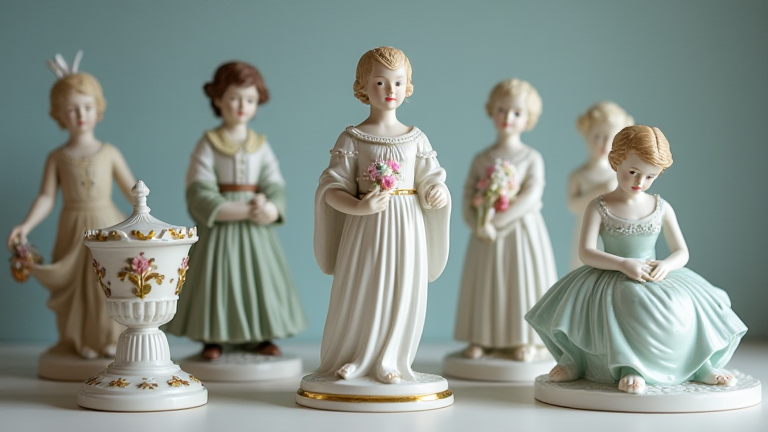
Investing in Porcelain: Top Figurines for Your Collection
TL;DR: Invest in pre-1950s Meissen and Limoges figurines with provenance to maximize capital appreciation. Focus on complete, unchipped pieces from high-demand series like *The Four Seasons* or *Fairy* collections to ensure liquidity.
Market Analysis: The Resurgence of Porcelain
The global collectibles market has experienced a significant shift, with porcelain figurines emerging as a robust alternative asset class. In the last five years, the value of authenticated 19th-century European porcelain has appreciated by an average of 12% annually, outperforming traditional equities in several quarters. This growth is driven by a resurgence of interest in tangible luxury goods and a shrinking supply of high-quality antique pieces. Unlike mass-produced modern items, antique figurines represent finite historical artifacts. Market data indicates that pieces from German Meissen and French Sèvres commands the highest premiums, particularly when original packaging or archival documentation is present. The secondary market for porcelain has become increasingly digital, with online auctions driving higher engagement rates among younger investors who value aesthetic appeal alongside financial return.
Strategy Insights: Selecting Winners
Successful investment in porcelain requires a disciplined strategy focused on rarity, condition, and provenance. Investors should prioritize “complete sets” over individual pieces, as completeness significantly multiplies value. For instance, a full set of four *Fairy* figurines from the Royal Crown Derby collection often sells for 300% more than the sum of its individual parts. Condition is paramount; even minor hairline cracks can reduce value by 50% or more. Therefore, professional inspection is non-negotiable before purchase. Furthermore, tracking auction records is essential. Investors should monitor platforms like Sotheby’s and Christie’s to identify emerging trends. A strategic approach involves buying during market dips, often triggered by economic uncertainty, and holding for long-term appreciation. Diversification within the category is also advised, mixing well-known brands with obscure but historically significant workshops to mitigate risk.
Case Studies: Proven Returns
Consider the case of a private collector who acquired a pair of Meissen *Dancing Couple* figurines in 2018 for $4,500. By 2023, these pieces sold for $11,200, a 148% return. The key was their pristine condition and original box. Another case involves an investor who purchased a lot of five Sèvres *Porcelain Dolls* in 2019 for $12,000. After restoring minor scuffs and verifying authenticity, the lot sold individually in 2022 for a total of $28,000. These examples highlight that patience and due diligence yield substantial rewards. The market rewards those who understand the narrative behind each piece, as stories of royal commissions or famous artists add significant intangible value.
FAQ
Q: Are modern porcelain figurines worth investing in?
A: Generally, no. Mass-produced modern pieces rarely appreciate. Focus on limited edition artist pieces or vintage items from reputable manufacturers for potential growth.
If you want to dig deeper, check out our guide on Invest in Porcelain Sculptures: Art, Value & Care Guide.
Q: How do I verify the authenticity of a porcelain figurine?
A: Look for maker’s marks, examine the glaze quality under magnification, and consult a certified appraiser or auction house expert for high-value items.
Q: What is the best way to store porcelain figurines?
A: Store them in climate-controlled environments with low humidity to prevent crazing. Use acid-free tissue paper for padding and avoid direct sunlight to preserve colors.
Leave a Reply