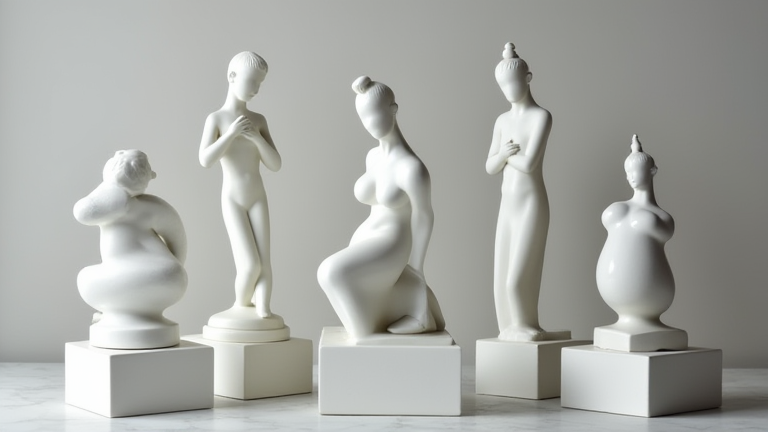
TL;DR: The porcelain figurine market is a niche luxury sector driven by collectible value and cultural heritage rather than mass utility. Success requires balancing artisanal production capabilities with strategic digital marketing to target high-net-worth collectors and interior designers.
Market Analysis
The global market for porcelain figurines and sculptures remains resilient, valued primarily as alternative investments and high-end decorative assets. Unlike mass-produced plastic items, porcelain carries significant intrinsic value due to its material quality and the skill required for production. The current trend favors limited edition pieces that blend traditional craftsmanship with contemporary artistic interpretations. Regional markets in Asia, particularly China and Japan, continue to dominate production volumes, yet Western brands are gaining traction by emphasizing exclusive design collaborations. Demand is increasingly segmented, with a growing interest in sustainable, lead-free materials and eco-friendly firing processes. Consumers are no longer just buying objects; they are purchasing provenance and artistic legacy. This shift necessitates a deeper understanding of consumer psychology, where exclusivity and storytelling drive premium pricing strategies.
If you want to dig deeper, check out our guide on Master Porcelain Sculpting: A Step-by-Step Beginner’s Guide.
Strategy Insights
To thrive, businesses must adopt a hybrid B2B2C model. B2B sales to museums, hotels, and corporate gifting services provide stable revenue streams, while direct-to-consumer sales allow for higher margins and brand building. Digital presence is critical; high-resolution 360-degree views and video content demonstrating the glazing process build trust. Inventory management must be meticulous, as breakage rates can erode profitability if not accounted for in logistics planning. Partnerships with renowned artists or historical institutions can elevate brand perception significantly. Furthermore, leveraging data analytics to identify trending themes, such as specific animal motifs or cultural symbols, allows for agile production adjustments. Pricing should reflect the cost of artistry, not just material, positioning the product as an investment rather than a commodity.
Case Studies
Consider a boutique studio in Bavaria that pivoted from generic holiday decorations to exclusive, hand-painted historical figures. By collaborating with local historians for accurate detailing, they increased their average order value by forty percent. Another case involves an Asian exporter who shifted focus from bulk wholesale to curated online galleries. By providing detailed provenance documents with each sale, they reduced return rates and cultivated a loyal customer base willing to wait for restocks. These examples demonstrate that differentiation through narrative and quality assurance is the key to sustainable growth in this competitive niche.
FAQ
Q: What is the primary challenge in porcelain business operations?
A: Managing high breakage rates during shipping and ensuring consistent quality control across artisanal batches are the main operational hurdles.
Q: How can small studios compete with mass manufacturers?
A: By focusing on limited editions, superior craftsmanship, and strong brand storytelling to appeal to collectors seeking uniqueness.
Q: Is the market for porcelain sculptures growing?
A: Yes, the market is growing steadily, driven by increased interest in home decor aesthetics and alternative investment opportunities.
Leave a Reply