Blog

  • Healthy Home: Air Quality & Care for Porcelain Figurines

    Healthy Home: Air Quality & Care for Porcelain Figurines

    Healthy Home: Air Quality & Care for Porcelain Figurines

    TL;DR: Maintain optimal indoor air quality to prevent dust accumulation and chemical degradation on delicate porcelain surfaces. Use gentle, dry cleaning methods to preserve the integrity of your figurines and sculptures.

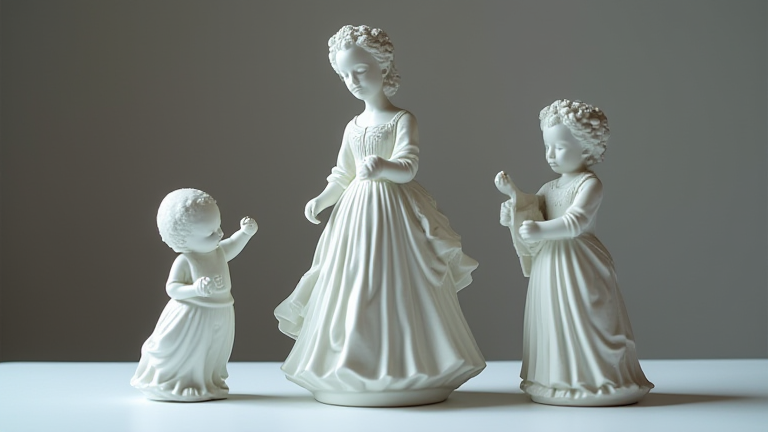
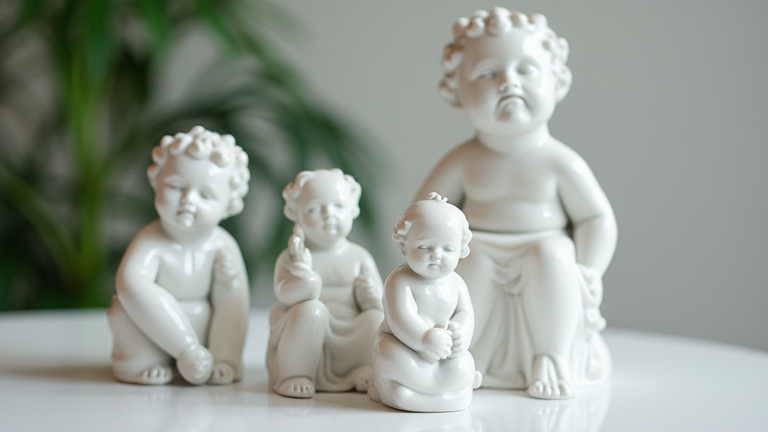
    Porcelain figurines and sculptures are exquisite additions to any home, symbolizing artistry and heritage. However, their delicate nature makes them particularly susceptible to environmental factors. Understanding the relationship between air quality and porcelain care is essential for preserving these valuable items. Poor indoor air quality can introduce pollutants, humidity fluctuations, and particulate matter that gradually damage the glaze and structure of your collections.

    If you want to dig deeper, check out our guide on Investing in Porcelain: Top Figurines for Your Collection.

    The Impact of Air Quality

    Indoor air quality significantly influences the longevity of porcelain. Dust, a common airborne particulate, settles on smooth surfaces like figurines. Over time, this dust can trap moisture, leading to water spots or etching on the glaze. Furthermore, volatile organic compounds (VOCs) from cleaning products, paints, or tobacco smoke can react with the surface of the porcelain, causing discoloration or weakening the material. Humidity is another critical factor. Porcelain is generally stable, but extreme fluctuations in relative humidity can cause micro-cracks in the glaze, especially in older pieces. Maintaining a consistent humidity level between 40% and 50% helps prevent these issues, ensuring your sculptures remain intact and vibrant for generations.

    Lifestyle Tips for Preservation

    Caring for porcelain figurines requires a proactive approach to both cleaning and environment management. First, establish a regular dusting routine. Use a soft, dry microfiber cloth or a feather duster to gently remove surface dust. Avoid using liquid cleaners or sprays directly on the figurine, as trapped moisture can seep into tiny cracks or unglazed areas, causing long-term damage. If a stain persists, consult a professional conservator rather than attempting aggressive home remedies.

    Second, optimize your home environment. Keep porcelain collections away from direct sunlight, which can cause fading and heat damage. Avoid placing them near heat sources like radiators or fireplaces, as thermal shock can shatter the ceramic. Additionally, consider using sealed display cases for particularly valuable or fragile pieces. These cases act as barriers against dust, humidity changes, and accidental contact, providing an additional layer of protection without sacrificing aesthetic appeal.

    Finally, monitor the air in your home. Use air purifiers with HEPA filters to reduce particulate matter in the air. This simple lifestyle adjustment can significantly reduce the amount of dust that settles on your figurines, minimizing the need for frequent cleaning. By combining scientific understanding with gentle care practices, you can ensure that your porcelain collection remains a beautiful and healthy part of your living space. Remember, prevention is always easier than restoration when it comes to delicate ceramics.

    FAQ

    Q: Can I use commercial glass cleaner on my porcelain figurines?
    A: No, commercial cleaners often contain ammonia or alcohol, which can strip the glaze or cause chemical reactions that damage the surface over time.

    Q: How often should I dust my porcelain sculptures?
    A: Dust your figurines once a week using a soft, dry cloth to prevent dust buildup and minimize the risk of scratching the surface.

    Q: Is it safe to handle porcelain figurines with bare hands?
    A: It is recommended to wear clean cotton gloves when handling porcelain to prevent oils from your skin from transferring to the glaze, which can cause discoloration.
    Related Articles

  • Timeless Elegance: Styling Porcelain Figurines for Modern Homes

    Timeless Elegance: Styling Porcelain Figurines for Modern Homes

    Timeless Elegance: Styling Porcelain Figurines for Modern Homes

    TL;DR: Porcelain figurines add sophisticated character to modern spaces by blending historical artistry with contemporary minimalism. You can style them effectively by using negative space, curated groupings, and strategic lighting to highlight their delicate details without cluttering your home.

    In the rush of digital noise and fast fashion, there is a profound desire for objects that possess soul and history. Porcelain figurines offer a unique bridge between the past and the present, serving as tangible reminders of craftsmanship in an increasingly automated world. While often associated with grandmothers’ curio cabinets or antique shops, these delicate sculptures are experiencing a renaissance in modern interior design. They are no longer seen as dusty relics but as vibrant accents that inject personality and narrative into sterile, minimalist environments. The key to integrating them successfully lies in understanding their aesthetic potential and treating them as living art rather than mere decoration.

    If you want to dig deeper, check out our guide on Can Porcelain Figurines Affect Your Health? Myths & Facts.

    Curating Your Collection with Intention

    Before placing a single figurine, consider the story you wish to tell. Are you drawn to the intricate floral patterns of Sèvres, the bold forms of Art Deco, or the serene simplicity of Japanese porcelain? Each style carries a distinct cultural weight. For a modern home, it is often best to start with a few key pieces that resonate deeply with your personal history or aesthetic preferences. Rather than accumulating too many small items, select a few statement pieces that can stand on their own. This curation process transforms the collection from a random assortment into a coherent narrative. Look for pieces with clean lines or iconic motifs that complement your existing furniture. A single, well-chosen figurine on a shelf can be more impactful than a crowded display case, allowing the viewer to appreciate the fine details and the quality of the glaze.

    Placement and Lighting for Maximum Impact

    Placement is crucial in modern styling. Avoid overcrowding shelves or tables. Instead, utilize the concept of negative space to give each figurine room to breathe. Placing a single porcelain figure on a console table against a neutral wall can create a focal point that draws the eye without overwhelming the room. Lighting plays a pivotal role in revealing the beauty of porcelain. The glossy surface of these sculptures reflects light beautifully, so consider using small, adjustable spotlights or placing them near natural light sources. However, be cautious of direct sunlight, which can cause fading or thermal shock over time. Indirect lighting, such as a warm lamp placed behind or beside the piece, can cast soft shadows that accentuate the curves and textures of the sculpture. This interplay of light and shadow adds depth and drama, elevating the figurine from a simple object to a dynamic element of your interior design.

    Ultimately, styling porcelain figurines is an act of personal growth and cultural appreciation. It is about slowing down and engaging with objects that have been created with patience and skill. By integrating these timeless pieces into your modern home, you create a space that feels both current and enduring, a sanctuary where art and life coexist in harmony.

    FAQ

    Q: How do I clean porcelain figurines without damaging the glaze?
    A: Use a soft, lint-free cloth lightly dampened with water to gently wipe the surface. Avoid harsh chemicals or abrasive sponges, as these can scratch the delicate glaze and reduce its luster over time.

    Q: Where is the best place to display fragile porcelain sculptures?
    A: Choose stable, flat surfaces away from high-traffic areas or pets. Ensure the shelf or table is level to prevent tipping, and consider using anti-vibration pads if the piece is particularly heavy or top-heavy.

    Q: Can I mix different eras and styles of porcelain figurines?
    A: Yes, mixing styles can create a dynamic and eclectic look. To maintain cohesion, try to balance the color palette or unify the display with similar mounting heights and consistent lighting across the different pieces.

    Related Articles

  • Porcelain Figurines: Elevate Your Home with Timeless Sculpture

    Porcelain Figurines: Elevate Your Home with Timeless Sculpture

    TL;DR: Porcelain figurines serve as sophisticated focal points that blend artistic heritage with modern interior design, offering a tactile connection to cultural traditions. They transform static spaces into dynamic narratives, elevating home aesthetics through intricate craftsmanship and timeless elegance.

    The Art of Stillness

    In an era dominated by digital screens and transient trends, the allure of static, handcrafted objects offers a profound counterbalance. Porcelain figurines are not merely decorative items; they are vessels of cultural memory and artistic expression. By integrating these delicate sculptures into your living space, you invite a sense of history and refinement that mass-produced decor simply cannot replicate. The smooth, cool surface of fine porcelain contrasts beautifully with the warmth of wooden furniture or the softness of linen textiles, creating a harmonious visual balance.

    If you want to dig deeper, check out our guide on Best Ergonomic Office Chairs for Back Pain Relief.

    Cultural Narratives and Personal Growth

    Each figurine tells a story, whether it depicts a serene Zen monk, a dancing ballerina, or a whimsical animal. Collecting these pieces can become a journey of personal growth, encouraging mindfulness and appreciation for the handmade. As you curate your collection, you engage in a creative process that mirrors your own evolving tastes and values. This practice fosters a deeper connection to the objects surrounding you, transforming your home from a mere shelter into a curated gallery of personal significance. The act of arranging these sculptures requires patience and an eye for detail, skills that translate into greater mindfulness in daily life.

    Practical Aesthetics for Modern Homes

    Modern interiors often lean towards minimalism, but this does not mean sacrificing personality. Porcelain figurines, with their clean lines and subtle glazes, fit seamlessly into contemporary spaces. A single, well-placed sculpture on a mantelpiece or a floating shelf can anchor a room, providing a point of visual interest without cluttering the space. Furthermore, these pieces are versatile; they can serve as conversation starters for guests or quiet companions for solitary reflection. Their durability and resistance to wear make them a long-term investment in your home’s aesthetic value, enduring through changing design trends while maintaining their intrinsic beauty.

    FAQ

    Q: How do I care for porcelain figurines?
    A: Dust them gently with a soft, dry cloth and avoid using harsh chemicals that might damage the glaze.

    Q: Where is the best place to display them?
    A: Place them on stable, flat surfaces away from direct sunlight to prevent fading and thermal shock.

    Q: Can I mix different styles of figurines?
    A: Yes, mixing styles can create a dynamic display, but ensure a cohesive color palette to maintain visual harmony.

    Related Articles

  • Top Tech Tools for Digitizing Porcelain Figurines

    Top Tech Tools for Digitizing Porcelain Figurines

    Top Tech Tools for Digitizing Porcelain Figurines

    TL;DR: The most effective tools for digitizing porcelain figurines are high-resolution structured light 3D scanners and advanced photogrammetry software. These technologies capture intricate surface details and delicate glaze textures without damaging the fragile ceramic objects.

    The Rise of Non-Invasive Capture

    Porcelain figurines and sculptures represent a unique challenge in digital preservation. Their glossy, often reflective surfaces and delicate, thin structures make them prone to damage during traditional measurement processes. However, recent advancements in non-contact imaging have revolutionized how museums, collectors, and artists approach these items. The latest developments focus on capturing sub-millimeter accuracy while handling the complex reflectivity of glazed ceramics. This shift allows for the creation of precise digital twins that can be used for restoration planning, virtual exhibitions, and even 3D printing of replacement parts for broken pieces.

    If you want to dig deeper, check out our guide on Can Porcelain Figurines Reduce Stress? Surprising Health Ben.

    Leading Hardware Solutions

    Structured light scanners have emerged as the industry standard for porcelain. Devices like the Artec Leo or the Revopoint Metro use projected light patterns to calculate surface depth. Unlike laser scanners, which can struggle with shiny surfaces, structured light systems are better equipped to handle the specular highlights common on glazed figurines. These tools typically offer resolutions ranging from 0.02mm to 0.1mm, sufficient to capture the finest brushstrokes and sculpted details. For those with limited budgets, high-end smartphone photogrammetry setups are gaining traction. By capturing hundreds of overlapping photos from various angles, specialized software can reconstruct a 3D model. While less precise than dedicated scanners, this method is becoming surprisingly effective for smaller figurines when combined with proper lighting rigs to mitigate glare.

    Software and Processing Power

    Hardware is only half the equation; software processing is critical for porcelain. Algorithms must now account for “specular reflection,” a phenomenon where light bounces directly off the glossy surface, creating data voids or noise. Modern software suites like AgiSoft Metashape or RealityCapture feature advanced multi-view stereo algorithms that fill these gaps intelligently. Additionally, texture mapping tools have improved significantly, allowing for the separation of geometry and color. This is vital for porcelain, where the physical shape and the painted glaze are distinct features. The ability to export clean, watertight meshes to formats like OBJ or STL enables seamless integration with 3D printing software, allowing for the reproduction of lost or damaged figurines with high fidelity.

    Industry Impact and Future Trends

    The impact on the industry is profound. Museums can now offer high-definition 360-degree views of their collections online, enhancing accessibility. Restoration specialists can use digital models to simulate repairs before applying physical interventions, reducing the risk of further damage. Furthermore, the rise of NFTs and digital art has created a new market for high-fidelity digital porcelain sculptures. Artists are now creating original designs intended for 3D printing in ceramic or resin, closing the loop between digital creation and physical manifestation. As sensor technology becomes cheaper and more compact, we expect to see portable scanning solutions that allow collectors to digitize their personal collections at home with professional-grade accuracy. The future lies in AI-assisted processing, which will automatically correct noise and enhance details, making the digitization of fragile porcelain more accessible and reliable than ever before.

    FAQ

    Q: Can I scan a glossy porcelain figurine without using matte spray?
    A: Yes, modern structured light scanners and photogrammetry software can handle glossy surfaces without destructive matte sprays by using polarization filters and advanced algorithmic noise reduction techniques.

    Q: What is the minimum resolution needed for accurate porcelain digitization?
    A: A resolution of at least 0.1mm is generally recommended to capture fine sculptural details, while 0.02mm is ideal for preserving subtle glaze textures and small cracks.

    Q: Are 3D printed replicas of porcelain figurines legally acceptable?
    A: It depends on copyright status; reproducing public domain pieces is generally allowed, but commercializing protected

    Related Articles

  • Porcelain Figurines: Timeless Art for Your Modern Home

    Porcelain Figurines: Timeless Art for Your Modern Home

    Porcelain Figurines: Timeless Art for Your Modern Home

    TL;DR: Porcelain figurines serve as elegant, durable anchors that bridge the gap between historical craftsmanship and contemporary minimalist aesthetics. Integrating these delicate sculptures into your interior design adds a layer of cultural depth and personal narrative without overwhelming modern spaces.

    In an era dominated by digital screens and mass-produced goods, the allure of handcrafted objects has never been stronger. Porcelain figurines offer a unique opportunity to inject soul and story into your living environment. Unlike cold, industrial materials, porcelain possesses a warm, luminous quality that interacts beautifully with natural light, creating a dynamic visual experience throughout the day. Whether you are drawn to the intricate details of Meissen or the bold lines of contemporary ceramic artists, these pieces serve as conversation starters that invite guests to linger and ask questions about their origin and meaning.

    If you want to dig deeper, check out our guide on Elevate Your Home: Porcelain Figurines & Sculpture Ideas.

    The versatility of porcelain makes it an ideal companion for modern interior design. In a sleek, open-plan living room, a single, striking figurine placed on a floating shelf or a low console table can provide the necessary focal point that breaks up monotony. For those who prefer a more curated approach, grouping smaller sculptures of varying heights on a coffee table creates a sense of rhythm and balance. The smooth, glossy finish of high-quality porcelain complements natural textures like wood, linen, and stone, ensuring that the art feels integrated rather than imposed. This seamless blend allows you to honor tradition while maintaining the clean lines and uncluttered feel that define contemporary living.

    Furthermore, collecting porcelain figurines is a journey of personal growth and cultural appreciation. Each piece often represents a specific era, region, or artisan tradition, encouraging collectors to explore the rich history behind the object. This engagement transforms a simple decorative choice into an educational pursuit, deepening your connection to global craftsmanship. By investing in these timeless artworks, you are not merely decorating a room; you are curating a legacy. The durability of porcelain ensures that these pieces can withstand the test of time, becoming heirlooms that carry emotional weight and historical significance for future generations. In a fast-paced world, having a tangible, beautiful object that requires care and appreciation provides a grounding sense of stability and joy.

    FAQ

    Q: How should I clean delicate porcelain figurines?
    A: Dust them gently with a soft, dry microfiber cloth. Avoid using harsh chemicals or wet cloths unless the piece is specifically glazed and unglazed areas are protected, as moisture can damage unfinished clay or lead to water spots on the glaze.

    Q: Can porcelain figurines withstand direct sunlight?
    A: It is best to avoid prolonged direct exposure to sunlight, as UV rays can cause certain pigments and glazes to fade or change color over time. Place them in areas with indirect natural light to preserve their vibrancy and integrity for decades.

    Q: Where is the best place to display a single large sculpture?
    A: A mantelpiece, a sturdy sideboard, or a dedicated pedestal in a high-traffic area works well. Ensure the surface is stable and level to prevent accidental tipping, and use anti-slip pads to secure the base for added safety.

    Related Articles

  • Porcelain Figurines: Stylish Sculptures to Elevate Your Home

    Porcelain Figurines: Stylish Sculptures to Elevate Your Home

    TL;DR: Porcelain figurines serve as sophisticated focal points that infuse personal narrative and artistic flair into any living space. They bridge the gap between functional decor and emotional connection, turning everyday rooms into curated galleries of style and serenity.

    The Art of Curated Calm

    In the fast-paced modern world, our homes often become extensions of our digital lives, cluttered with screens and notifications. However, there is a growing movement toward tactile, timeless objects that ground us in the present. Porcelain figurines and sculptures are at the forefront of this shift. Unlike mass-produced plastic decorations, high-quality porcelain pieces carry a weight, both literally and figuratively, that demands attention. They are not merely decorative; they are statements of taste, patience, and an appreciation for craftsmanship. Whether you are a seasoned collector or a curious beginner, integrating these elegant sculptures into your home can transform a sterile environment into a warm, inviting sanctuary that reflects your unique personality.

    If you want to dig deeper, check out our guide on Tech in Porcelain Sculptures: 3D Printing & Digital Trends.

    Choosing Your Aesthetic Anchor

    Selecting the right porcelain piece requires more than just picking your favorite color; it involves understanding the narrative you wish to convey. For those drawn to minimalist design, sleek, abstract white porcelain forms can add a touch of modern elegance without overwhelming the space. These pieces often feature clean lines and subtle textures that play with light, creating a dynamic visual experience as the day progresses. On the other hand, if you prefer a more traditional or cultural aesthetic, detailed figurines depicting historical figures, mythical creatures, or serene landscapes can serve as cultural anchors. These pieces often tell a story, sparking conversations with guests and providing a sense of heritage and continuity. The key is to choose a piece that resonates with your personal journey, ensuring it feels like a natural extension of your identity rather than an afterthought.

    Placement and Presentation

    Where you place your porcelain sculpture is just as important as the piece itself. A delicate figurine perched on a high shelf in a well-lit corner can become a subtle accent that draws the eye upward, making the room feel more spacious. Conversely, a larger, bold sculpture placed on a sideboard or coffee table acts as a center of gravity, anchoring the room’s design theme. Lighting plays a crucial role here; natural light can highlight the translucency and glaze of fine porcelain, while warm artificial lighting can enhance its warmth and texture. Avoid placing these delicate items in high-traffic areas where they are prone to accidental bumps. Instead, choose a spot where they can be admired up close, allowing you to appreciate the intricate details and the smooth, cool surface that distinguishes true porcelain from other materials.

    Personal Growth Through Appreciation

    Ultimately, collecting and displaying porcelain figurines is an exercise in personal growth and mindfulness. It encourages you to slow down, to notice details, and to value quality over quantity. Each piece invites you to pause and reflect, offering a moment of beauty in the midst of daily chaos. By curating a collection that speaks to your soul, you are not just decorating a house; you are building a home that nurtures your spirit and elevates your daily life.

    FAQ

    Q: How do I clean delicate porcelain figurines without damaging them?
    A: Use a soft, dry microfiber cloth for regular dusting. For deeper cleaning, lightly dampen the cloth with water and avoid using any chemical cleaners or abrasive materials that could scratch the glaze.

    Q: Are porcelain sculptures suitable for humid environments like bathrooms?
    A: While porcelain is water-resistant, the underlying materials and finishes may not be. It is best to display these pieces in living rooms, bedrooms, or entryways rather than high-moisture areas to ensure their longevity.

    Q: How can I tell if a porcelain piece is authentic and high-quality?
    A: Check for a smooth, non-porous surface and a bright, resonant sound when lightly tapped. Genuine porcelain is often semi-translucent when held up to the light, and high-quality pieces will have precise, clean detailing without bubbles or cracks.

    Related Articles

  • Porcelain Figurines: Elevate Your Home’s Style

    Porcelain Figurines: Elevate Your Home’s Style

    Porcelain Figurines: Elevate Your Home’s Style

    TL;DR: Porcelain figurines transform living spaces by adding intricate artistic details that serve as unique conversation starters. They blend cultural heritage with modern aesthetics to create a sophisticated, personalized atmosphere.

    In the quest for interior design perfection, many homeowners overlook the power of small, curated objects to define a room’s character. While large furniture pieces set the foundation, it is often the delicate details that provide the finishing touch. Porcelain figurines and sculptures offer a versatile way to inject elegance and narrative into your home. These delicate pieces, ranging from minimalist abstract forms to detailed traditional characters, act as visual anchors that draw the eye and invite closer inspection. They are not merely decorative; they are tactile expressions of artistry that can shift the mood of an entire space.

    If you want to dig deeper, check out our guide on Top 10 Porcelain Figurines & Sculptures: A Collector’s Guide.

    The Art of Curation

    Choosing the right porcelain pieces is an exercise in personal curation, akin to selecting a favorite book or a cherished piece of jewelry. Unlike mass-produced plastic ornaments, high-quality porcelain carries weight, both literally and figuratively. The cool, smooth surface of fine china reflects light subtly, adding depth to dim corners or brightening up sparse shelves. When selecting pieces, consider the color palette of your room. White porcelain provides a crisp, clean contrast against dark woods or modern monochrome schemes, while pastel or painted figurines can introduce softness to industrial or rustic settings. The key is balance. Avoid overcrowding; instead, group three to five pieces of varying heights on a mantel or bookshelf to create a dynamic yet organized display. This technique, known as the rule of odd numbers, ensures visual interest without creating clutter.

    Cultural Connections and Personal Growth

    Beyond aesthetics, collecting porcelain figurines fosters a connection to global cultures. Many pieces are inspired by historical traditions, such as the delicate craftsmanship of Chinese imperial kilns or the whimsical nature of Japanese kawaii culture. Owning these items encourages a form of passive education and appreciation for global artistic heritage. Furthermore, the act of curating these collections can be a meditative practice. It requires patience, discernment, and an eye for beauty. This mindful approach to home decoration promotes personal growth by encouraging us to slow down and appreciate the small, intricate details of life. It shifts our focus from the fast-paced digital world to the tangible, beautiful objects in our immediate environment.

    Whether you place a serene statue of a dancer on your desk for daily inspiration or a whimsical garden gnome in your outdoor nook, these small sculptures speak volumes. They tell stories of your travels, your interests, and your taste. By integrating porcelain figurines into your home, you are not just decorating; you are crafting a narrative that is uniquely yours. This subtle elevation of style transforms a house into a home, making it a sanctuary that reflects your inner world.

    FAQ

    Q: How do I clean porcelain figurines without damaging them?
    A: Use a soft, dry brush to remove dust. For deeper cleaning, use a barely damp cloth with mild soap, avoiding harsh chemicals or abrasive materials that could scratch the glaze.

    Q: Where is the best place to display small porcelain sculptures?
    A: Shelves, mantels, or dedicated display cases are ideal. Ensure the surface is stable and protected from direct sunlight to prevent fading, and use non-slip pads to secure the bases.

    Q: Can modern, abstract porcelain pieces fit in a traditional home?
    A: Yes, mixing eras creates visual interest. A sleek, modern abstract sculpture can serve as a striking focal point against traditional molding or woodwork, adding contemporary flair to classic spaces.

    Related Articles

  • Porcelain Figurines: Stylish Home Decor & Lifestyle Ideas

    Porcelain Figurines: Stylish Home Decor & Lifestyle Ideas

    Porcelain Figurines: Stylish Home Decor & Lifestyle Ideas

    TL;DR: Porcelain figurines serve as elegant, tactile anchors that transform generic spaces into curated sanctuaries of personal history. They bridge the gap between functional living and artistic expression, offering a sophisticated way to display cultural heritage and personal milestones without overwhelming a room.

    In an era dominated by digital screens and mass-produced goods, there is a profound resurgence in the desire for tangible, handcrafted objects that tell a story. Porcelain figurines have moved beyond the dusty shelves of grandmothers’ attics to become central elements in modern, minimalist, and bohemian interiors alike. They are no longer just decorative novelties; they are statements of identity. By choosing a specific figure, whether it is a serene Zen monk, a whimsical garden gnome, or a classical Greek deity, you are curating a visual narrative that reflects your personal growth and aesthetic preferences. This shift toward intentional decor allows homeowners to infuse their spaces with soul and character, creating an environment that feels truly lived-in and authentic.

    One of the most compelling aspects of porcelain is its materiality. The smooth, cool touch of glazed ceramic contrasts beautifully with the rough textures of wood, linen, and stone commonly found in contemporary homes. This tactile diversity adds depth to a space, inviting interaction and mindfulness. When you place a delicate porcelain vase or a small sculpture on a coffee table, you create a focal point that encourages pause and reflection. It becomes a conversation starter for guests and a moment of quiet appreciation for the resident. The craftsmanship involved in creating these pieces—often involving multiple firings and hand-painting—adds a layer of respect and value that mass-produced plastic or resin items simply cannot replicate.

    From a cultural perspective, porcelain figurines offer a gateway to global traditions. Japanese Kintsugi-inspired pieces remind us of the beauty in imperfection, while Chinese porcelain dragons or dragons can evoke a sense of ancestral strength and luck. For those interested in travel and culture, collecting these items becomes a form of tangible travel. You do not need to visit every corner of the world to bring its essence home; a single, well-chosen figurine can transport you to a specific place, evoking the sounds, smells, and feelings of a distant memory. This practice enriches your daily life by connecting your home to the wider world, fostering a sense of global citizenship and cultural appreciation.

    Furthermore, incorporating porcelain into your lifestyle can be a meditative practice. The act of selecting, arranging, and maintaining these pieces requires patience and care. It encourages a slower, more mindful approach to home styling. Instead of constantly updating with the latest trends, you build a collection that evolves with you. Each new acquisition marks a chapter in your life, whether it was a gift from a friend, a souvenir from a trip, or a piece that simply resonated with your current mood. Over time, these objects become more than just decor; they become companions in your daily journey, offering comfort, inspiration, and a sense of continuity.

    FAQ

    Q: Are porcelain figurines durable enough for modern, high-traffic homes?
    A: Yes, when properly handled and placed, porcelain is highly durable. While they can chip if dropped, they are resistant to dust and easy to clean. Placing them on stable surfaces like shelves or tables rather than the floor ensures their longevity and keeps them safe from accidental knocks.

    If you want to dig deeper, check out our guide on Does Collecting Porcelain Figurines Boost Your Mental Health.

    Q: How can I integrate porcelain decor into a minimalist interior without it looking cluttered?
    A: Use the “less is more” approach. Select one or two statement pieces with clean lines or unique colors that complement your neutral palette. Place them on open shelving or a dedicated console table to create breathing room, ensuring the pieces stand out as intentional accents rather than clutter.

    Q: What is the best way to clean porcelain figurines without damaging the finish?
    A: Use a soft, dry microfiber cloth to dust the surface gently. For deeper cleaning, use a slightly damp cloth with mild, soap-free water, avoiding any abrasive materials or harsh chemicals. Always dry the piece immediately to prevent water spots, especially on hand-painted details.

    Related Articles

  • Timeless Porcelain Figurines: Elevate Your Home Decor

    Timeless Porcelain Figurines: Elevate Your Home Decor

    Timeless Porcelain Figurines: Elevate Your Home Decor

    TL;DR: Porcelain figurines serve as versatile, high-end accents that blend cultural heritage with modern aesthetic appeal. They transform static spaces into dynamic storytelling elements, adding depth and sophistication to any interior design scheme.

    In a world dominated by digital screens and mass-produced goods, there is a profound resurgence in the appreciation of handcrafted art objects. Among these, porcelain figurines stand out as the quintessential example of elegance and durability. Whether you are a seasoned collector or a curious beginner, integrating these delicate sculptures into your home offers a unique way to express personal taste and cultural affinity. Unlike large furniture pieces, figurines are modular; they can be swapped seasonally or rearranged to reflect changing moods, making them an ideal tool for personal growth through interior curation.

    If you want to dig deeper, check out our guide on Tech Innovations in 3D Printing Porcelain Figurines.

    The Cultural Canvas of Porcelain

    Porcelain is not merely a material; it is a historical artifact. Originating from China, the art of porcelain has spread globally, with Meissen in Germany and Limoges in France developing their own distinct styles. Each region imparts a unique character to its productions. A delicate Meissen pair of dogs, for instance, brings a sense of European nobility and precision to a living room. Conversely, a traditional Japanese Hina doll set can evoke feelings of tranquility and reverence for tradition. By selecting pieces that resonate with your personal history or travel experiences, you create a narrative environment. This practice turns your home into a museum of your life, where every object has a story to tell. It encourages a slower, more mindful approach to decorating, where value is derived from craftsmanship and provenance rather than mere trendiness.

    Curating for Modern Spaces

    Many assume that porcelain belongs only in formal dining rooms or antique shops. However, modern lifestyle trends favor eclectic mixes that juxtapose the old with the new. Placing a classic white porcelain swan on a raw wood shelf creates a striking contrast that highlights the purity of the material against the organic warmth of the wood. In kitchen settings, a collection of small, whimsical figurines can liven up a sterile countertop, adding a touch of playful character to meal preparation. For those focused on personal well-being, these objects can act as mindfulness anchors. Taking a moment to admire the intricate details of a glazed sculpture provides a brief respite from the hustle of daily life, fostering a sense of calm and appreciation for beauty. The tactile nature of porcelain, with its cool, smooth surface, also adds a sensory dimension to visual decor.

    Ultimately, the goal is not to fill every surface but to curate a collection that speaks to your identity. Start with one piece that captures your interest. Observe how it interacts with light and shadow throughout the day. As you grow more confident, expand your collection with pieces that complement your existing decor. This incremental approach ensures that your home evolves organically, reflecting your journey and tastes. Porcelain figurines are not just decorative items; they are companions in your living space, offering timeless beauty and a connection to the artistry of the past, all while seamlessly integrating into the rhythm of modern life. They elevate your home by adding layers of meaning, texture, and history that no mass-produced item can replicate.

    FAQ

    Q: How do I clean porcelain figurines without damaging them?
    A: Dust them gently with a soft, dry microfiber cloth. Avoid water and harsh chemicals unless the piece is explicitly marked as washable, as moisture can damage the glaze or underlying clay.

    Q: Where is the best place to display porcelain in a small apartment?
    A: Utilize vertical space by placing them on floating shelves or in glass-fronted cabinets. Grouping smaller pieces together creates a visual impact without requiring excessive floor or surface area.

    Q: Are porcelain figurines a good investment for long-term value?
    A: While not all pieces appreciate in value, limited edition works from renowned manufacturers like Meissen or Royal Doulton can hold or increase value over time, especially if kept in mint condition with original packaging.</

    Related Articles

  • Porcelain Figurines & Sculptures: A Guide to Business

    Porcelain Figurines & Sculptures: A Guide to Business

    TL;DR: The porcelain figurine market is a niche luxury sector driven by collectible value and cultural heritage rather than mass utility. Success requires balancing artisanal production capabilities with strategic digital marketing to target high-net-worth collectors and interior designers.

    Market Analysis

    The global market for porcelain figurines and sculptures remains resilient, valued primarily as alternative investments and high-end decorative assets. Unlike mass-produced plastic items, porcelain carries significant intrinsic value due to its material quality and the skill required for production. The current trend favors limited edition pieces that blend traditional craftsmanship with contemporary artistic interpretations. Regional markets in Asia, particularly China and Japan, continue to dominate production volumes, yet Western brands are gaining traction by emphasizing exclusive design collaborations. Demand is increasingly segmented, with a growing interest in sustainable, lead-free materials and eco-friendly firing processes. Consumers are no longer just buying objects; they are purchasing provenance and artistic legacy. This shift necessitates a deeper understanding of consumer psychology, where exclusivity and storytelling drive premium pricing strategies.

    If you want to dig deeper, check out our guide on Master Porcelain Sculpting: A Step-by-Step Beginner’s Guide.

    Strategy Insights

    To thrive, businesses must adopt a hybrid B2B2C model. B2B sales to museums, hotels, and corporate gifting services provide stable revenue streams, while direct-to-consumer sales allow for higher margins and brand building. Digital presence is critical; high-resolution 360-degree views and video content demonstrating the glazing process build trust. Inventory management must be meticulous, as breakage rates can erode profitability if not accounted for in logistics planning. Partnerships with renowned artists or historical institutions can elevate brand perception significantly. Furthermore, leveraging data analytics to identify trending themes, such as specific animal motifs or cultural symbols, allows for agile production adjustments. Pricing should reflect the cost of artistry, not just material, positioning the product as an investment rather than a commodity.

    Case Studies

    Consider a boutique studio in Bavaria that pivoted from generic holiday decorations to exclusive, hand-painted historical figures. By collaborating with local historians for accurate detailing, they increased their average order value by forty percent. Another case involves an Asian exporter who shifted focus from bulk wholesale to curated online galleries. By providing detailed provenance documents with each sale, they reduced return rates and cultivated a loyal customer base willing to wait for restocks. These examples demonstrate that differentiation through narrative and quality assurance is the key to sustainable growth in this competitive niche.

    FAQ

    Q: What is the primary challenge in porcelain business operations?
    A: Managing high breakage rates during shipping and ensuring consistent quality control across artisanal batches are the main operational hurdles.

    Q: How can small studios compete with mass manufacturers?
    A: By focusing on limited editions, superior craftsmanship, and strong brand storytelling to appeal to collectors seeking uniqueness.

    Q: Is the market for porcelain sculptures growing?
    A: Yes, the market is growing steadily, driven by increased interest in home decor aesthetics and alternative investment opportunities.

    Related Articles