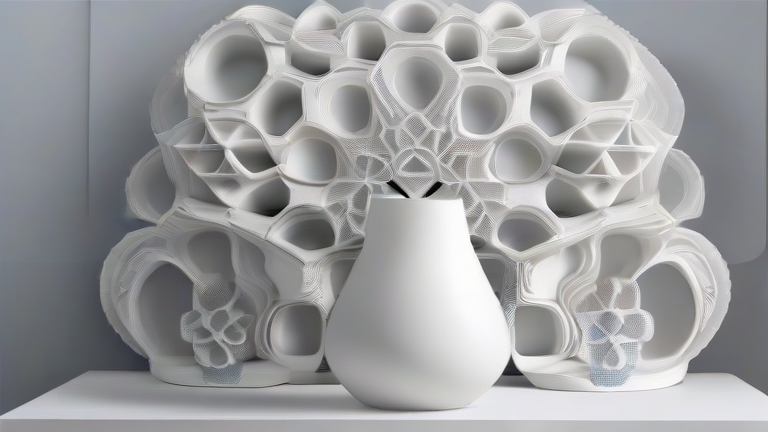
TL;DR: Advanced 3D printing technologies now enable the creation of highly detailed porcelain figurines by overcoming traditional material constraints through specialized high-temperature firing processes. These digital fabrication methods allow for mass customization and complex geometries that were previously impossible with hand-throwing or carving, significantly impacting the artisanal sculpture market.
The Convergence of Digital Precision and Ceramic Tradition
The integration of additive manufacturing into the world of fine ceramics represents a pivotal shift in how porcelain sculptures are conceived and produced. Historically, porcelain figurines required immense manual dexterity and limited design complexity due to the fragility of the material during the drying and firing stages. However, recent breakthroughs in digital slurry jetting and high-resolution stereolithography adapted for ceramic suspensions have changed this landscape entirely. Modern printers can now deposit fine ceramic slurries with layer thicknesses as low as 50 microns, allowing for the replication of intricate textures such as fabric folds, facial features, and delicate floral motifs with unprecedented accuracy.
Technical Specifications and Material Innovations
To successfully print in porcelain, the material composition must be strictly controlled. The standard porcelain mixture consists of kaolin, feldspar, and quartz, which is mixed with binders and deflocculants to create a stable slurry suitable for extrusion. The latest industrial-grade printers feature multi-axis heads that can adjust the extrusion rate dynamically based on the geometric complexity of the model. This is crucial because porcelain is prone to cracking during the drying phase if internal stresses are not managed correctly. Recent developments include the use of rapid drying chambers integrated into the printing workflow, which use controlled humidity and temperature gradients to reduce drying time from weeks to days. Furthermore, the green bodies produced by these machines are often reinforced with nanomaterials to improve structural integrity before the final firing at temperatures exceeding 1400 degrees Celsius, which vitrifies the porcelain and gives it its characteristic translucency.
Impact on the Sculpture Industry
The industry impact of these technologies is profound, particularly for artists and manufacturers who wish to create limited edition runs without the prohibitive labor costs of traditional handcrafting. Digital trends have also introduced generative design algorithms, where AI models can optimize the structure of a figurine for strength while minimizing material usage. This not only reduces waste but also allows for the creation of hollow interiors within solid-looking sculptures, a feat that would be extremely difficult to achieve through traditional throwing techniques. For the consumer, this means access to highly personalized porcelain art pieces that can be customized in real-time, from the specific pose of the figurine to the surface finish. The barrier to entry for high-end ceramic art is lowering, as digital files can be shared and printed globally, fostering a new ecosystem of collaborative artistic projects across continents.
FAQ
Q: Can 3D printed porcelain hold up to long-term use?
A: Yes, when properly fired at high temperatures, 3D printed porcelain achieves the same durability and water resistance as traditionally made porcelain, making it suitable for both display and functional use.
If you want to dig deeper, check out our guide on How to Make Porcelain Figurines: A Complete Beginner’s Guide.
Q: What is the maximum size for a single printed figurine?
A: While small figurines are common, advanced industrial printers can now produce large-scale sculptures up to several meters in height by printing them in segments and joining them post-firing.
Q: How does the cost compare to hand-carved porcelain?
A: For single pieces, hand-carving may still be more affordable, but for small batches or complex designs, 3D printing significantly reduces labor costs, making it more cost-effective for artists and studios.
Leave a Reply