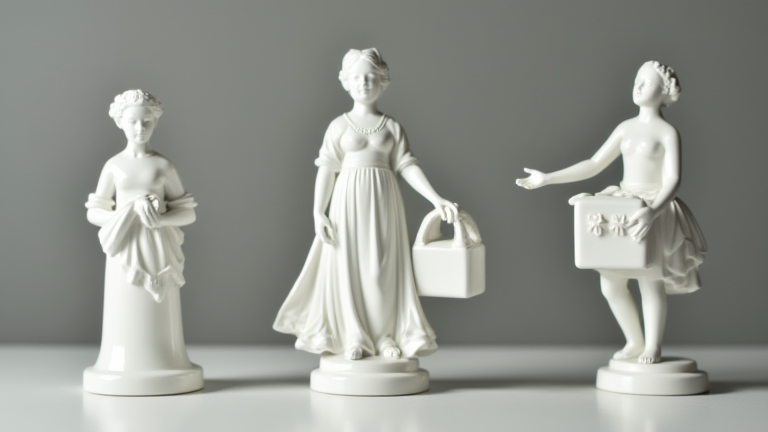
TL;DR: Yes, porcelain figurines can pose health risks if they contain lead-based glazes or accumulate significant dust in sensitive areas. Regular cleaning and proper placement can mitigate these hazards effectively.
Understanding the Risks
Porcelain figurines are popular decorative items, but their health implications are often overlooked. The primary concern is lead toxicity. While modern, certified porcelain is generally safe, vintage or imported items may use lead-based glazes to achieve vibrant colors. If these glazes are scratched, chipped, or of poor quality, lead can leach out, especially if the figurine is placed in a bedroom or near food preparation areas. Ingesting or inhaling lead dust can lead to serious long-term health issues, particularly for children and pregnant women. According to the Centers for Disease Control and Prevention, there is no safe level of lead exposure, making vigilance essential for collectors and enthusiasts.
If you want to dig deeper, check out our guide on Timeless Porcelain Figurines: Elevate Your Home Decor.
Dust Accumulation and Respiratory Health
Beyond chemical toxicity, physical accumulation of dust is a significant wellness factor. Porcelain surfaces, particularly those with intricate details like lace or floral patterns, are traps for airborne particulates. These particles include pollen, pet dander, and mold spores. For individuals with asthma, allergies, or other respiratory conditions, placing figurines in high-traffic areas or bedrooms can exacerbate symptoms. The dust settles into the crevices of the sculpture, becoming a reservoir for allergens that are easily disturbed by air currents or cleaning activities. This constant resuspension of particles can degrade indoor air quality, contributing to chronic respiratory irritation and reduced overall well-being.
Safety Tips and Lifestyle Adjustments
To enjoy your collection safely, adopt a proactive maintenance routine. First, verify the safety of your items. If you own antique or unverified porcelain, consider having them tested for lead content by a certified laboratory. Avoid using abrasive cleaners that might damage the glaze, as this increases the risk of lead release. Instead, use a soft, damp microfiber cloth to gently wipe surfaces. For detailed pieces, a soft-bristled brush can help remove dust from crevices without scratching the surface. Place figurines in well-ventilated areas away from sleeping spaces. Consider using glass display cases with seals to minimize dust accumulation while still allowing visibility. Regularly vacuum the area beneath the display using a HEPA filter vacuum to capture fine particles. Finally, wash your hands after handling your collection, especially before eating, to prevent accidental ingestion of any residual dust or lead particles. By implementing these simple lifestyle adjustments, you can preserve the aesthetic value of your porcelain while safeguarding your health and that of your household.
FAQ
Q: Is all porcelain safe for indoor use?
A: No, not all porcelain is safe. Vintage or low-cost imported items may contain lead in the glaze, posing a toxicity risk if the glaze is damaged or poorly applied.
Q: How often should I clean my porcelain figurines?
A: It is recommended to dust them every two to four weeks with a soft, dry or slightly damp cloth to prevent the buildup of allergens and dust particles.
Q: Can I use glass cleaner on my figurines?
A: You should avoid standard glass cleaners as they often contain ammonia or alcohol, which can damage the glaze or any attached paper labels and seals on the figurine.
Leave a Reply