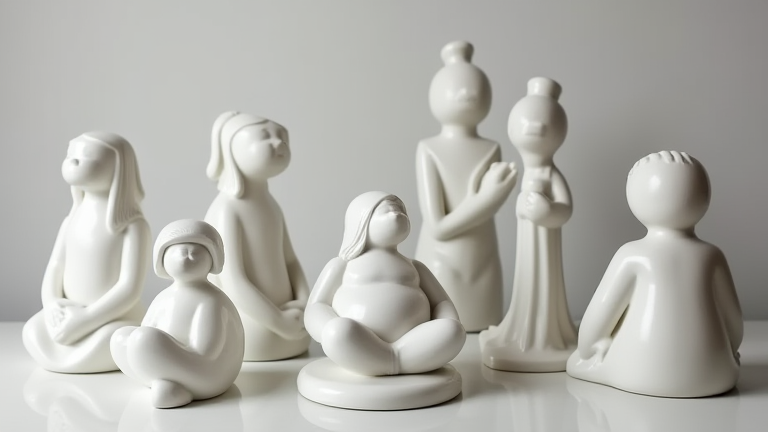
TL;DR: Transform your living space into a curated gallery by strategically placing porcelain figurines that reflect your personal narrative and cultural heritage. These delicate sculptures serve as tactile anchors that blend artistic expression with home decor, turning ordinary corners into conversation-starting focal points.
The Art of Intentional Display
In an era dominated by digital screens and mass-produced goods, the quiet elegance of porcelain offers a refreshing counterpoint. Porcelain figurines and sculptures are not merely decorative objects; they are vessels of memory, craft, and cultural identity. Whether you are a seasoned collector or a novice looking to add a touch of sophistication to your interior, understanding how to integrate these pieces can elevate your home from a simple dwelling to a personal sanctuary. The key lies in intentionality. Each piece should have a purpose, whether that is to evoke a specific memory, represent a beloved travel destination, or simply provide a moment of visual calm in a busy room.
Curating Your Collection: A Personal Journey
The beauty of porcelain lies in its versatility. Unlike large furniture pieces, figurines and small sculptures can be easily moved, rotated, and rearranged. This flexibility allows your home to evolve with your tastes and experiences. Consider starting with a single, high-quality piece that resonates with you. Perhaps it is a delicate bird figurine from a Japanese kiln, reminding you of a peaceful trip to Kyoto, or a classic European bust that connects you to your ancestral roots. As your collection grows, look for thematic connections. Grouping pieces by material, color, or origin can create a cohesive narrative. For instance, a shelf dedicated to Chinese porcelain cats might tell a story of good luck and prosperity, while a collection of minimalist abstract sculptures could reflect a personal journey toward simplicity and mindfulness.
Placement and Lighting: Setting the Stage
Where you place your porcelain matters as much as what you choose. Avoid cluttering shelves with too many objects, which can dilute the impact of each piece. Instead, use negative space to draw attention to the form and glaze of the sculpture. Lighting is another critical factor. Natural light can highlight the translucency of fine porcelain, revealing subtle color variations and textures. For evening ambiance, consider using warm, directed lighting to cast soft shadows that enhance the three-dimensional quality of the figures. A well-lit porcelain sculpture on a side table can become the centerpiece of a living room, inviting guests to lean in and appreciate the craftsmanship.
Cultural Connections and Personal Growth
Owning porcelain figurines is also an opportunity for cultural exploration and personal growth. Each piece often carries a story of the artisan who created it, the region where it was made, and the traditions it upholds. By researching the origins of your collection, you deepen your understanding of global craftsmanship and history. This process can be meditative, encouraging you to slow down and appreciate the details of life. Moreover, maintaining and caring for these delicate items fosters a sense of responsibility and mindfulness. The ritual of dusting or polishing a porcelain figurine can become a daily practice of self-care, grounding you in the present moment.
FAQ
Q: How do I clean delicate porcelain figurines without damaging them?
A: Use a soft, dry microfiber cloth to gently dust the surface. For stubborn dirt, use a barely damp cloth with distilled water, avoiding any harsh chemicals or abrasive materials that could scratch the glaze.
If you want to dig deeper, check out our guide on Health Risks: Lead in Porcelain Figurines & Sculptures.
Q: Can I display porcelain sculptures outdoors?
A: It is generally not recommended to display standard porcelain figurines outdoors, as extreme temperature changes and direct sunlight can cause cracking or fading. If you wish to use them outside, ensure they are in a covered, climate-controlled area.
Q: How can I style a small collection on a limited shelf space?
A: Focus on vertical layering by using varying heights and depths. Place taller pieces in the back and shorter ones in the front, and ensure adequate spacing between items to allow each sculpture to breathe and maintain visual clarity.
Leave a Reply