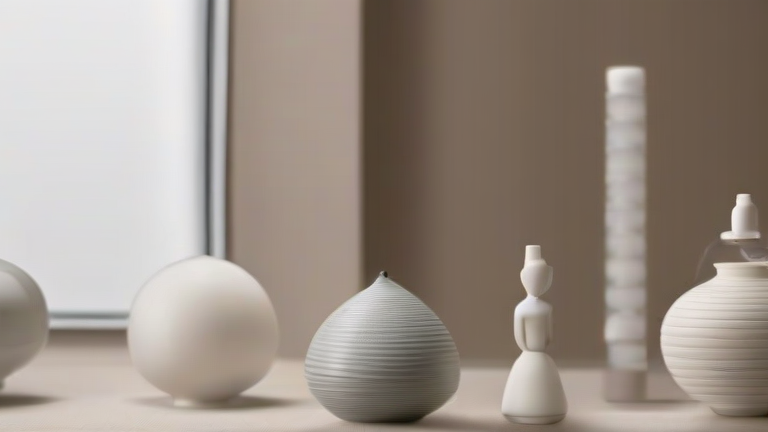
TL;DR: Porcelain figurines do not directly harm your health as they are chemically stable and inert when properly glazed. However, dust accumulation on their complex surfaces can degrade indoor air quality, so regular, gentle cleaning is essential for maintaining a healthy living environment.
The Science of Porcelain and Indoor Air
When considering the impact of decorative items on wellness, many people worry about off-gassing or toxic emissions. From a scientific perspective, high-quality porcelain is fired at extremely high temperatures, typically between 1,200 and 1,400 degrees Celsius. This process vitrifies the clay, creating a glass-like, non-porous surface. Unlike some plastics or low-quality paints that may release volatile organic compounds (VOCs) over time, properly glazed porcelain is chemically stable. It does not leach lead or cadmium into the air or touch surfaces under normal conditions, provided the glaze is intact and from reputable manufacturers who adhere to modern safety standards.
If you want to dig deeper, check out our guide on Timeless Porcelain Figurines: Elevate Your Home Decor.
While the material itself is safe, the primary health concern associated with porcelain figurines is particulate matter. Sculptures often feature intricate details, such as folds in clothing, hair, or facial features. These crevices act as magnets for dust, pollen, and pet dander. If left unattended, this accumulated debris can become airborne when you move the object or disturb the surrounding air. For individuals with allergies, asthma, or sensitive respiratory systems, this invisible dust cloud can trigger coughing, sneezing, or inflammation. Therefore, the health risk is not intrinsic to the porcelain but rather a consequence of poor maintenance practices.
Lifestyle Tips for Safe Display
To ensure your collection of porcelain sculptures contributes to a serene and healthy home, adopt a consistent cleaning routine. Use a soft, lint-free microfiber cloth to gently wipe down surfaces. For detailed areas, a soft-bristled makeup brush or a specialized vacuum attachment with a brush head is ideal for removing trapped dust without scratching the glaze. Avoid using harsh chemical cleaners or abrasive sponges, as these can degrade the glaze over time, potentially exposing the underlying clay or creating micro-abrasions that trap more dirt. Additionally, consider displaying figurines in low-traffic areas away from direct sunlight, which can cause thermal expansion and stress the material, and away from high-ventilation zones where airflow might constantly stir up settled dust. By treating your porcelain with care and maintaining a clean environment, you can enjoy the aesthetic beauty of these artistic pieces while protecting your respiratory health and overall well-being.
FAQ
Q: Can old porcelain figurines be toxic?
A: Vintage pieces may contain lead in the glaze if the surface is chipped or worn, so handle them carefully and avoid mouth contact, but intact pieces are generally safe.
Q: How often should I clean my porcelain sculptures?
A: It is best to dust them every one to two weeks to prevent heavy buildup, which is harder to remove and can release more particulates when disturbed.
Q: Do I need to wear gloves when cleaning?
A: You do not need gloves for safety, but using them can prevent oils from your skin from transferring to the glaze, helping to keep the surface clearer and cleaner over time.
Leave a Reply