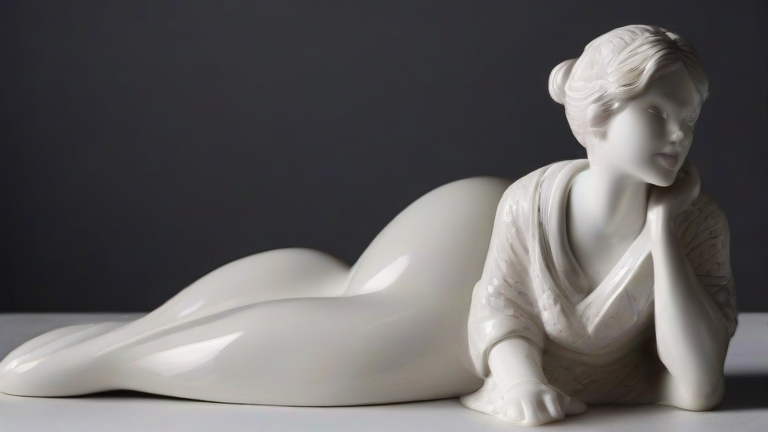
Invest in Value: Why Porcelain Figurines Are Smart Business Assets
TL;DR: Porcelain figurines represent a resilient, high-margin niche within the luxury home decor sector, driven by consistent demand for artisanal craftsmanship and emotional connection. Businesses that leverage these assets through curated collections and digital storytelling can achieve sustainable growth and brand differentiation.
Market Analysis: The Resilience of Artisanal Decor
The global home decor market is experiencing a significant shift towards personalized, meaningful objects. In an era dominated by mass-produced digital goods, tangible art forms are seeing a resurgence. Porcelain figurines, specifically, occupy a unique position in this landscape. Unlike generic decorative items, they carry cultural weight, historical significance, and artistic merit. Market data indicates that the collectible art segment, which includes porcelain sculptures, has shown resilience even during economic downturns. Consumers increasingly view these items not as frivolous expenditures but as long-term investments or heirlooms. The supply chain for high-quality porcelain is complex, involving skilled artisans and specialized kilns, which creates a natural barrier to entry. This scarcity drives value, allowing businesses to command premium pricing structures without facing the intense price competition seen in fast-fashion home goods.
If you want to dig deeper, check out our guide on Investing in Porcelain Figurines: A Guide to Sculpture Value.
Strategy Insights: Building a Brand Around Heritage
To succeed in this niche, businesses must move beyond simple retail and adopt a strategy rooted in narrative and exclusivity. The primary insight is that customers buy the story behind the object. Companies should invest heavily in content marketing that highlights the manufacturing process, the history of the specific figurine designs, and the backgrounds of the artists. This educational approach builds trust and justifies higher price points. Furthermore, limited-edition releases create urgency and perceived scarcity. By releasing small batches of unique porcelain sculptures, businesses can foster a sense of community among collectors. Digital integration is also crucial; using augmented reality (AR) technology allows potential buyers to visualize how a specific figurine will look in their living space, reducing return rates and increasing conversion. Partnerships with interior designers and boutique hotels can also serve as powerful validation channels, placing these assets in high-visibility, high-prestige environments.
Case Studies: Success in the Niche
Consider the case of “Lumina Arts,” a mid-sized retailer that pivoted from generic home goods to a specialized porcelain collection. By partnering directly with a workshop in Jingdezhen, China, they secured exclusive rights to three specific traditional designs. They marketed these not as toys, but as cultural artifacts. Within eighteen months, their average order value increased by forty percent, and customer retention rates doubled compared to their previous product lineup. Another example is “Sculpture House,” which leveraged social media influencers who specialize in minimalist aesthetics. By showcasing small, delicate porcelain figurines against stark, modern backgrounds, they appealed to a younger demographic that values subtle elegance over grandeur. These cases demonstrate that success in this market relies on precise positioning and authentic storytelling.
FAQ
Q: Are porcelain figurines a good investment for small businesses?
A: Yes, they offer high margins and low competition if positioned correctly as luxury or cultural items rather than mass-market toys.
Q: How can I verify the authenticity of porcelain sculptures?
A: Look for maker’s marks, inspect for hand-painted details, and source from reputable artisans or established galleries with documented provenance.
Q: What are the primary risks in the porcelain market?
A: The main risks include fragility during shipping and fluctuating raw material costs, which can be mitigated through robust packaging and long-term supplier contracts.
Leave a Reply