Blog

  • Elevate Your Home: Styling Tips for Porcelain Figurines

    Elevate Your Home: Styling Tips for Porcelain Figurines

    TL;DR: To elevate your home with porcelain figurines, treat them as curated art objects rather than dust-collectors—cluster them in odd numbers with contrasting heights and neutral backdrops. Rotate them seasonally to tell a personal story, just as you would refresh a travel altar or a bookshelf of cultural mementos.

    Why Porcelain Figurines Deserve a Second Look

    In an era of minimalist concrete and mass-produced wall art, porcelain figurines often feel like relics from a grandmother’s china cabinet. But that’s precisely their power. These delicate sculptures carry the weight of craftsmanship, history, and cultural storytelling—from the blue-and-white Delftware of the Netherlands to the intricate court ladies of Qing-dynasty China. Styling them well isn’t about nostalgia; it’s about intentional curation. Think of them as three-dimensional postcards from a journey you haven’t taken yet, or a quiet nod to a heritage you want to honor daily.

    If you want to dig deeper, check out our guide on How to Sculpt Porcelain Figurines: Step-by-Step Guide.

    Rule of Three: The Traveler’s Cluster

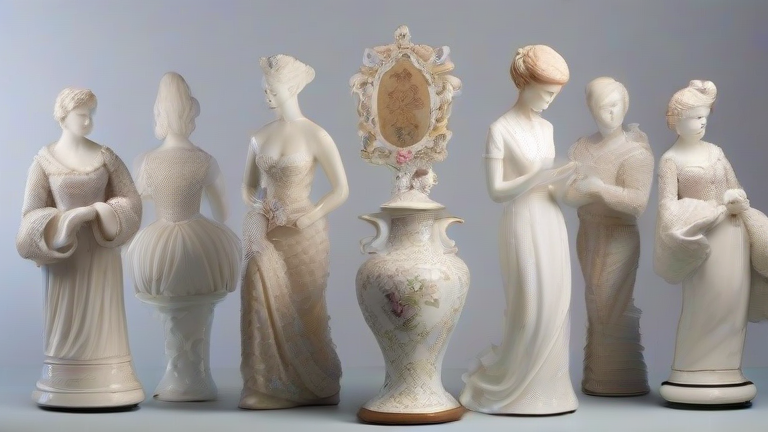
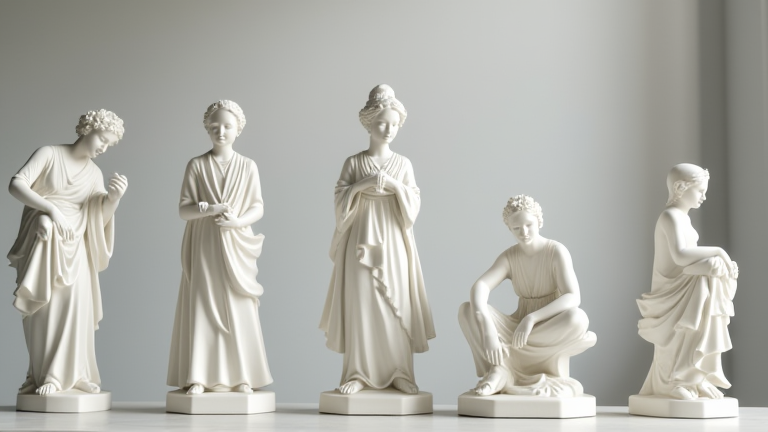
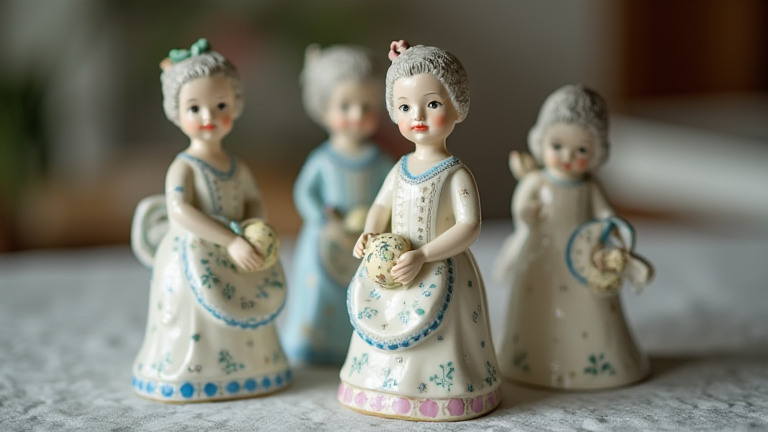
    When you return from a trip, you don’t slap every souvenir on one shelf—you edit. Apply the same discipline. Choose three figurines that share a palette (ivory, celadon, or cobalt) but vary in scale. Place the tallest at the back, the smallest slightly forward, and the middle one angled at 30 degrees. This mimics a landscape: a mountain, a hill, a stone. For a cultural angle, pair a Japanese Geisha with a French shepherdess and an Italian harlequin. The visual tension tells a story of global curiosity without shouting.

    Negative Space Is Your Souvenir

    Resist the urge to fill every inch of a mantel or sideboard. Porcelain thrives on air. Leave at least six inches of empty shelf on either side of a figurine. If you have a glass-front cabinet, remove the doors—this turns the collection into a living diorama that changes with the light. For a personal-growth twist, use one shelf as a “growth altar”: place a figurine that represents a goal (a phoenix for resilience, a dancer for balance) and swap it out every season. The act of rearranging becomes a mindfulness ritual.

    Lighting and Backdrops: The Gallery Effect

    Porcelain loves diffused light. Avoid direct sunlight, which yellows the glaze. Instead, install a warm LED strip under a shelf or place a small museum-style spot on a bookshelf. A matte black or deep forest-green wall behind a white figurine makes it pop like a diamond on velvet. For a food-and-culture tie-in, set a single figurine on a stack of vintage cookbooks or beside a ceramic bowl of lemons. The contrast between hard porcelain and soft organic forms is a chef’s trick—it’s all about texture balance.

    Rotate Like a Seasonal Menu

    Don’t let your figurines become static. Every solstice, rotate them—move the winter robin to the bedroom, bring the spring blossom to the dining table. This mimics how cultures celebrate festivals: the Japanese display hina dolls in March, then store them away. Your home becomes a living calendar. Pair the rotation with a small handwritten note about why you chose that piece—a personal growth journal that doubles as a design log.

    FAQ

    Q: How do I clean porcelain figurines without damaging them?
    A: Use a soft, dry sable brush (like a makeup brush) to dust weekly. For deeper cleaning, dip a cotton swab in lukewarm water with a drop of mild dish soap, wring it out completely, and gently dab—never soak or scrub. Air-dry upright, and avoid any alcohol-based cleaners.

    Q: Can I mix porcelain figurines with modern decor?
    A: Absolutely. Pair them with raw wood, matte black metal, or linen textures. The key is to isolate them on a clean surface—not next to cluttered trinkets. A single figur
    Related Articles

  • Health Risks of Porcelain Figurines: Lead & Heavy Metals

    Health Risks of Porcelain Figurines: Lead & Heavy Metals

    TL;DR: Porcelain figurines pose significant health risks primarily due to lead and cadmium leaching from damaged glazes or porous, unglazed surfaces. To mitigate exposure, avoid mouth contact, wash hands thoroughly after handling, and strictly keep such items away from food preparation areas.

    The Hidden Danger in Decorative Porcelain

    Many homeowners and collectors cherish porcelain figurines and sculptures as elegant additions to their living spaces. However, these decorative items can harbor serious health hazards, particularly if they contain lead or cadmium in the glaze or body. While modern manufacturing regulations have improved safety standards, older pieces and imported goods without proper certification may still exceed safe heavy metal limits. Understanding these risks is crucial for maintaining a healthy home environment, especially in households with young children or pets who may interact with these objects.

    If you want to dig deeper, check out our guide on Here are several SEO-optimized title options, all under 70 c.

    How Lead and Cadmium Enter the Home

    Lead is a toxic heavy metal that was historically used in porcelain glazes to enhance gloss and color vibrancy. When a figurine’s glaze cracks, chips, or wears down over time, microscopic particles of lead can be released into the air or onto surfaces. Cadmium, another dangerous heavy metal, is often used in pigments for bright colors like red, yellow, and orange. Both metals are cumulative toxins, meaning they accumulate in the body over time. Even low-level chronic exposure can lead to severe neurological, renal, and cardiovascular issues. It is important to note that while intact, properly fired modern porcelain is generally considered stable, the risk increases significantly with age, damage, or poor manufacturing practices.

    Science-Backed Risks to Health

    Scientific research consistently links lead exposure to a wide array of health problems. In adults, symptoms may include high blood pressure, infertility, and joint pain. In children, even small amounts of lead can cause irreversible developmental delays, learning disabilities, and reduced IQ. Cadmium exposure is equally alarming, as it is classified as a carcinogen by the World Health Organization. Long-term exposure is strongly associated with kidney damage, bone softening, and an increased risk of lung and bladder cancer. The danger lies in the insidious nature of these metals; they often do not cause immediate symptoms, allowing dangerous levels to build up in the body before any signs of illness appear.

    Practical Lifestyle Tips for Safety

    To protect your family, adopt a proactive approach to managing porcelain decor. First, inspect all figurines regularly for signs of wear, such as flaking glaze or cracks. If you notice any damage, remove the item from circulation immediately. Second, establish strict hygiene protocols. Always wash your hands with soap and warm water after handling porcelain items. This simple step prevents the transfer of potential contaminants to your mouth, food, or other surfaces. Third, designate specific display areas. Keep figurines on high shelves or in glass cabinets that are difficult for children to access. Never use vintage or decorative porcelain for serving food or drinks, as acidic foods and hot liquids can accelerate the leaching of heavy metals.

    Testing and Disposal

    If you are concerned about a specific piece, consider using a lead test kit available at hardware stores, though these may not detect all types of heavy metals. For a more comprehensive analysis, send a sample to a certified laboratory. When disposing of damaged or high-risk items, do not throw them in regular household trash if they are chipped, as this can contaminate waste handling equipment. Instead, place them in a sealed plastic bag and label them as hazardous waste, following local municipal guidelines for disposing of lead-containing materials. By staying informed and vigilant, you can enjoy the beauty of porcelain art without compromising your health.

    FAQ

    Q: Can I safely wash old porcelain figurines with vinegar to remove dirt?
    A: No, acidic solutions like vinegar can break down the glaze and accelerate the release of lead and cadmium. Use a mild soap and water solution instead, and avoid soaking the items for extended periods.

    Q: Are all imported porcelain figurines dangerous?
    A: Not necessarily, but the risk

    Related Articles

  • Here are a few SEO-optimized options under 70 characters:

1. **Porcelain Figurines: Elevate Your Ho

    Here are a few SEO-optimized options under 70 characters: 1. **Porcelain Figurines: Elevate Your Ho

    TL;DR: Porcelain figurines serve as timeless decorative accents that elevate interior design through intricate craftsmanship and cultural storytelling. Collecting these sculptures offers a tangible connection to artistic heritage while providing versatile styling options for any home or office space.

    The Timeless Allure of Porcelain Art

    In a world dominated by digital ephemera, there is a profound comfort in owning objects that possess weight, texture, and history. Porcelain figurines and sculptures stand at the intersection of art, culture, and personal expression. Whether you are a seasoned collector or a casual enthusiast looking to refresh your living space, these delicate pieces offer more than just visual appeal; they provide a narrative bridge between past traditions and modern aesthetics.

    If you want to dig deeper, check out our guide on Here are a few options, all under 70 characters:

    1. **Tech .

    The appeal of porcelain lies in its materiality. Unlike mass-produced plastic or resin items, high-quality porcelain is fired at high temperatures, resulting in a surface that is both durable and luminous. This translucency allows light to interact with the glaze, creating subtle shifts in color and depth that change throughout the day. A single figure of a dancing ballerina or a serene koi fish can transform a cluttered shelf into a curated display, acting as a focal point that draws the eye and invites closer inspection.

    Cultural Storytelling Through Sculpture

    Porcelain has deep roots in various global cultures, particularly in China, Japan, and Europe. Each region brings a unique artistic sensibility to the medium. Chinese porcelain, for instance, often features mythological creatures and historical figures, embedding stories of virtue and wisdom into every brushstroke. European traditions, such as those from Meissen or Sèvres, tend to focus on courtly scenes, pastoral landscapes, and elegant portraiture. By displaying these pieces, you are not merely decorating; you are engaging with a rich tapestry of cultural history.

    For the modern home, the versatility of porcelain allows for seamless integration into diverse design styles. In a minimalist Scandinavian interior, a single, abstract white porcelain sculpture can serve as a sophisticated statement piece against neutral tones. Conversely, in a maximalist space, a collection of vintage figurines can add layers of personality and vibrancy. The key is balance. Placing these items at varying heights using pedestals or tiered stands creates visual rhythm, preventing the display from looking static or crowded.

    Personal growth also plays a role in the collecting hobby. Caring for porcelain requires a gentle touch and an appreciation for fragility, teaching a valuable lesson in mindfulness and preservation. Many collectors find that the process of sourcing, researching, and displaying these items becomes a meditative practice. It encourages a slower pace of life, prompting you to pause and admire the small details of craftsmanship that are often overlooked in our fast-paced daily routines.

    FAQ

    Q: How should I clean and maintain porcelain figurines?
    A: Use a soft, dry cloth to gently dust the surface. Avoid using water or chemical cleaners directly on the piece, as moisture can damage the glaze or loosen joints in multi-part sculptures.

    Q: What is the best way to display small porcelain sculptures?
    A: Utilize glass display cases to protect delicate pieces from dust and accidental knocks, or use tiered stands to create depth. Ensure the lighting is soft to highlight the translucency of the porcelain without causing glare.

    Q: How can I tell if a porcelain figurine is authentic or a replica?
    A: Look for maker’s marks on the base, which often include the manufacturer’s name and date. Authentic pieces usually have a higher weight and a smoother, more refined finish compared to mass-produced replicas.

    Related Articles

  • Investing in Porcelain: The Art & Business of Fine Figurines

    Investing in Porcelain: The Art & Business of Fine Figurines

    Investing in Porcelain: The Art & Business of Fine Figurines

    TL;DR: The fine porcelain figurine market is driven by scarcity, historical provenance, and rising demand from high-net-worth collectors seeking tangible assets. Strategic acquisition of limited-edition pieces from reputable manufacturers offers strong long-term appreciation potential.

    The global market for collectible porcelain is experiencing a resurgence, fueled by a demographic shift among younger investors who prefer tangible, aesthetically pleasing assets over purely digital or financial instruments. Unlike mass-produced decorative items, fine porcelain figurines serve as both art and investment vehicles, with values often determined by the prestige of the manufacturer, the rarity of the edition, and the condition of the piece. Recent auction results indicate that vintage Meissen and Sèvres figurines have outperformed certain commodity indices, highlighting the stability of the blue-chip porcelain sector.

    Market Analysis and Strategic Insights

    Understanding the hierarchy of brands is crucial for successful investment. Top-tier houses like Sèvres, Meissen, and Royal Doulton command premium valuations due to centuries of craftsmanship heritage. For new investors, the strategy often involves focusing on limited editions released by contemporary artists. These pieces are easier to authenticate and have clearer provenance trails. Diversification within the category is recommended; rather than buying multiple similar pieces, investors should seek variety in subject matter, era, and manufacturer to mitigate specific risks associated with single-brand popularity fluctuations.

    Case Studies in Value Appreciation

    Consider the case of a 1950s Royal Doulton “Belleek” series figurine. Acquired for $500 in 2015, it sold for over $1,200 in 2023, representing a 140% increase. This appreciation was driven by a renewed interest in mid-century modern aesthetics and the confirmed scarcity of that specific mold. Another example involves a limited-run contemporary porcelain sculpture by a renowned ceramicist. Only 50 pieces were created. Early buyers who secured original certificates of authenticity saw their holdings double in value within five years as the artist’s profile grew. These cases demonstrate that documentation and rarity are the primary drivers of value in this niche market.

    Risks include fragility, which necessitates proper storage and insurance. However, for those willing to navigate the nuances of authentication and market trends, porcelain offers a unique blend of cultural significance and financial return.

    FAQ

    Q: How do I verify the authenticity of a porcelain figurine?
    A: Rely on manufacturer archives, reputable auction houses, and expert appraisers who can examine marks, glaze quality, and material composition.

    Q: What is the minimum investment required to enter the market?
    A> Entry points vary, but significant appreciation potential is often found in pieces costing between $500 and $5,000, while blue-chip items start much higher.

    Q: Is storage a major concern for porcelain investors?
    A: Yes, proper climate-controlled storage and professional handling are essential to prevent chipping or cracking, which can drastically reduce value.

    Related Articles

  • Porcelain Figurines: A Smart Business Guide

    Porcelain Figurines: A Smart Business Guide

    Porcelain Figurines: A Smart Business Guide

    TL;DR: The porcelain figurine market thrives on niche luxury and emotional storytelling, demanding high-quality craftsmanship to justify premium pricing. Success hinges on distinct brand identity and direct-to-consumer channels that bypass traditional retail margins.

    Market Analysis

    The global porcelain industry is witnessing a resurgence, driven by a consumer shift towards tangible, artisanal goods in a digital-first world. Porcelain figurines and sculptures occupy a unique position within the decorative arts sector. Unlike mass-produced plastic ornaments, porcelain offers a tactile, cool-to-the-touch experience that signifies quality and permanence. Market data indicates steady growth in the mid-to-high-end decorative segment, particularly among millennials and Gen Z collectors who value sustainability and provenance. The demand is not just for utility, but for aesthetic expression and interior design enhancement. However, the market is fragmented, with competition ranging from industrial giants like Meissen and Royal Doulton to independent artisan studios. Understanding this dichotomy is crucial. The low end is saturated with cheap imitations, while the high end is protected by heritage brands. The sweet spot for new entrants lies in the “accessible luxury” tier, where unique design meets fair pricing, appealing to first-time collectors and gift buyers seeking something more substantial than generic home décor.

    Strategy Insights

    Building a viable business around porcelain figurines requires a strategic focus on storytelling and community. First, establish a clear design language. Whether it is minimalist Scandinavian shapes or intricate traditional motifs, consistency builds brand recognition. Second, leverage the power of direct-to-consumer (DTC) e-commerce. Platforms like Etsy or Shopify allow artisans to retain higher margins and gather direct customer feedback. Third, emphasize the manufacturing process. Consumers are increasingly interested in the “how” behind the product. Highlighting the kiln firing temperatures, the hand-painting details, and the source of the clay creates an emotional connection that justifies the price point. Additionally, limited edition drops can create urgency and exclusivity, driving immediate sales and social media buzz. Collaborations with interior designers or lifestyle influencers can further validate the brand, positioning the figurines as essential curatorial pieces rather than mere accessories.

    Case Studies

    Consider the success of “Kiln & Clay,” a small studio that pivoted from generic mugs to specialized animal figurines. By focusing on hyper-realistic depictions of endangered species, they attracted a niche audience passionate about conservation. Their revenue grew by 40% year-over-year after launching a subscription box featuring a new figurine monthly. Another example is “Modern Porcelain Co.,” which partnered with a contemporary artist to release a limited series of abstract sculptures. This collaboration bridged the gap between functional decor and fine art, allowing them to command higher prices and secure placement in boutique hotel lobbies, expanding their B2B revenue stream. Both cases demonstrate that specificity and collaboration are key differentiators in a crowded market.

    FAQ

    Q: What are the biggest challenges in producing porcelain figurines?
    A: The primary challenges include high breakage rates during shipping and the significant time required for hand-finishing, which limits production volume.

    If you want to dig deeper, check out our guide on How to Make Porcelain Figurines: A Beginner’s Sculpture Tuto.

    Q: How can I price my porcelain sculptures competitively?
    A: Calculate all costs, including material, labor, and kiln energy, then add a markup that reflects your brand’s unique value proposition and market positioning.

    Q: Is it viable to sell porcelain figurines online?
    A: Yes, online sales are highly viable provided you invest in robust packaging to prevent damage and use high-quality photography to showcase detail.

    Related Articles

  • Porcelain Figurines: Do They Affect Home Air Quality?

    Porcelain Figurines: Do They Affect Home Air Quality?

    Porcelain Figurines: Do They Affect Home Air Quality?

    TL;DR: High-quality glazed porcelain figurines are chemically inert and do not release volatile organic compounds or toxins into the air. However, dust accumulation on their surfaces can degrade indoor air quality if not regularly cleaned with appropriate methods.

    The Material Science of Porcelain

    Porcelain is a ceramic material made by heating a specific combination of raw materials, including kaolin, feldspar, and quartz, to very high temperatures. This process creates a dense, non-porous structure that is distinct from softer, porous ceramics. From a health and wellness perspective, the key factor is the glaze. Modern porcelain figurines are typically finished with a lead-free, food-safe glaze that seals the surface completely. This sealant prevents any internal materials from migrating into the room. Consequently, unlike some low-quality plastics or painted wooden items that may off-gas formaldehyde or other VOCs, properly manufactured porcelain sculptures are generally considered safe for indoor environments, including bedrooms and nurseries.

    If you want to dig deeper, check out our guide on Handcrafted Porcelain Figurines: A Guide to Collectible Art .

    The Real Risk: Dust and Particulates

    While the material itself is safe, the physical nature of intricate figurines presents a different challenge. Sculptures with complex details, nooks, and crannies act as magnetic traps for airborne particulate matter. Over time, dust, pet dander, and pollen settle on these surfaces. If left unattended, this accumulated dust can be disturbed by air currents, such as those from heating vents or walking by, reintroducing allergens into the breathing zone. For individuals with asthma, allergies, or respiratory sensitivities, this particulate load can trigger symptoms. Therefore, the impact on air quality is not chemical but mechanical, driven by the retention of common household allergens.

    Lifestyle Tips for Healthy Decor

    To maintain optimal air quality while enjoying your porcelain collection, adopt a proactive cleaning routine. Use a microfiber cloth, which effectively traps dust without scattering it, rather than dry paper towels that merely push particles around. For intricate pieces, a soft-bristled brush or a can of compressed air can dislodge trapped particles from deep crevices. Avoid using harsh chemical cleaners or sprays, as these can leave residues that may volatilize over time. Instead, a damp cloth with mild soapy water is sufficient for most glazed surfaces. Additionally, consider placing figurines in areas with good air circulation but away from direct HVAC vents to minimize constant dust disturbance. Regularly changing HVAC filters further complements your cleaning efforts by capturing airborne particles before they settle on your decor.

    FAQ

    Q: Do antique porcelain figurines contain lead that affects air quality?
    A: While some very old glazes may contain lead, the lead is locked within the glaze and does not vaporize into the air under normal conditions, posing minimal airborne risk if the glaze is intact.

    Q: Should I keep porcelain sculptures in the bedroom?
    A: Yes, provided you dust them regularly, as porcelain itself does not emit gases that interfere with sleep quality or respiratory health.

    Q: How often should I clean my porcelain collection to protect air quality?
    A> It is recommended to dust porcelain figurines at least once a week to prevent the buildup of allergens and particulate matter that can circulate in the air.

    Related Articles

  • How to Make Porcelain Figurines: Step-by-Step Sculpting Tutorial

    How to Make Porcelain Figurines: Step-by-Step Sculpting Tutorial

    TL;DR: To make porcelain figurines, shape wet porcelain clay by hand or with molds, then let it dry to leather-hard for carving, and finally bisque-fire it before glazing and a high-temperature glaze fire. Master the three stages—plastic, leather-hard, and bone-dry—to avoid cracks and achieve delicate, translucent details.

    Materials & Preparation

    Gather porcelain clay (not stoneware—it’s whiter and more translucent), a wire cutter, sculpting loop tools, a sponge, a fine mist spray bottle, and a kiln capable of reaching cone 6 (about 2232°F). Wedge the clay thoroughly to remove air pockets; any trapped air will explode in the kiln. Keep the clay covered with damp cloths, as porcelain dries faster than other clays.

    If you want to dig deeper, check out our guide on Top 10 Viral TikTok Shop Gadgets Driving Sales Right Now.

    Step 1: Build the Armature (Optional but Recommended)

    For figurines with limbs or tall proportions, create a simple armature from stiff wire and aluminum foil. This supports the clay during sculpting and reduces sagging. Cover the armature with a thin layer of clay, pressing firmly to eliminate air gaps. For solid figures, skip the armature but keep the mass under 1 inch thick—porcelain warps easily if too thick.

    Step 2: Sculpt in the Plastic Stage

    Start with a single lump for the torso, then add coils for arms and legs. Use your thumbs to push clay from the inside outward, building volume. Work quickly but deliberately—porcelain has low plasticity and tears if overworked. Keep a spray bottle handy; mist the clay lightly every 10 minutes to prevent cracking. For faces, use a needle tool to define eyes and mouth; avoid pressing too deep, as porcelain shrinks ~12-15% during firing.

    Step 3: Refine at Leather-Hard Stage

    When the clay is firm but still cool to the touch (like hard cheese), carve details: folds in clothing, hair texture, and delicate lace-like edges. Use loop tools to hollow out the base or underside to ensure even wall thickness. Sand with a fine sponge or 220-grit sandpaper to smooth joints. Let the piece dry slowly under plastic for 3–5 days until bone-dry—no cold spots on the surface.

    Step 4: Bisque Fire & Glaze

    Fire the piece to cone 06 (about 1830°F) for bisque. After cooling, clean off any dust with a damp sponge. Apply 2–3 thin coats of porcelain glaze (matte or glossy) using a soft brush, avoiding pooling in crevices. For custom colors, use underglazes before clear glaze. Finally, fire to cone 6 for vitrification—the clay becomes glass-like and translucent.

    Step 5: Final Finishing

    Once cooled, polish any rough spots with a diamond file. If you want a gold or platinum accent, apply overglaze luster and fire again to cone 018. Display your figurine away from direct sunlight to prevent glaze fading.

    FAQ

    Q: Why does my porcelain figurine crack during drying?
    A: Cracks occur from uneven drying or too-thick sections. Dry under a plastic sheet with a small opening for airflow, and hollow out thick areas (like the head) before drying.

    Q: Can I use air-dry clay instead of kiln-fired porcelain?
    A: No—air-dry clay lacks the vitrification and translucency of true porcelain. For authentic porcelain figurines, you must fire in a kiln at cone 6 or higher.

    Q: How do I fix a broken porcelain limb before firing?
    A: If leather-hard, score both broken edges, wet with vinegar, and press a small coil of fresh clay over the joint. If bone-dry, use slip mixed with a bit of vinegar—but fire immediately, as the repair is fragile.

    Related Articles

  • Porcelain Figurines: Timeless Elegance for Modern Home Decor

    Porcelain Figurines: Timeless Elegance for Modern Home Decor

    TL;DR: Porcelain figurines are no longer dusty heirlooms; they are curated statements of timeless elegance that bridge cultural heritage and modern minimalism. By styling them with intention, you can transform any contemporary space into a gallery of personal narrative and refined taste.

    The Art of Slow Living, Captured in Clay

    In a world of fast furniture and disposable décor, there is a quiet rebellion in the delicate permanence of porcelain. Each figurine—whether a Meissen courtier, a delicate Japanese Geisha, or a whimsical Danish Flora Danica bloom—carries the fingerprints of its kiln. Unlike mass-produced resin, porcelain demands patience: the glaze must cure, the fire must reach 1,300°C, and the artist’s hand must steady through every brushstroke. This is the antithesis of the “buy now, regret later” culture. When you place a porcelain sculpture on your shelf, you are not just decorating; you are practicing a form of slow living that honors craftsmanship over convenience.

    If you want to dig deeper, check out our guide on Porcelain Figurine Tutorial: Step-by-Step Guide for Beginner.

    A Cultural Passport for Your Bookshelf

    Travel may be paused, but your home can still be a museum. Porcelain figurines are cultural storytellers. A blue-and-white Delftware dancer whispers of Dutch trade routes; a famille rose phoenix evokes Qing dynasty opulence; a mid-century Scandinavian maiden reflects Nordic simplicity. Instead of buying a generic souvenir magnet, collect a figurine that represents a place you love—or dream of visiting. Group three to five pieces on a floating shelf, mixing heights and eras. The result is a curated vignette that sparks conversation: “Where did you find that?” becomes an invitation to share your travel tales, your grandmother’s inheritance, or your latest auction find. This is décor with a passport, not just a price tag.

    Personal Growth Through Curated Imperfection

    There is a profound lesson in caring for porcelain: it teaches acceptance of fragility. A chipped ear or a hairline crack does not ruin a figurine—it gives it a story. Modern minimalist interiors often chase perfection, but a single antique porcelain piece with a visible repair (kintsugi-style, with gold lacquer) breaks that sterile tension. It reminds you that beauty survives damage. As you arrange your collection, you learn to edit your own life: what to keep, what to display, what to let go. Each figurine is a mirror of your evolving taste—from kitschy childhood trinkets to refined, sculptural forms. This is personal growth, literally on the shelf.

    Styling Rules for the Modern Eye

    To avoid a “grandma’s cabinet” vibe, follow three rules. First, edit ruthlessly: display only 5–7 pieces per room, spaced with breathing room. Second, contrast materials: place a porcelain bust on a travertine plinth, or pair a white figurine with black steel bookends. Third, use odd numbers and varying scales—a tiny robin next to a tall court lady creates rhythm. Place them near natural light, but never direct sun (it fades the glaze). And for a bold modern twist, put a single figurine inside a glass cloche or on a stack of art books. The interplay of delicate porcelain and raw, tactile surfaces is pure contemporary elegance.

    FAQ

    Q: How do I clean porcelain figurines without damaging the glaze?
    A: Use a soft, dry, natural-hair brush (like a makeup brush) to dust weekly. For deeper cleaning, wipe with a barely damp microfiber cloth, then dry immediately. Never submerge them in water or use chemical cleaners, as these can erode the glaze and hand-painted details.

    Q: Are vintage porcelain figurines a good investment for modern décor?
    A: Yes, both aesthetically and financially. Vintage pieces from brands like Royal Copenhagen, Lladró, or Herend hold value and add authentic character. Unlike new mass-produced items, they offer unique patina and provenance. For modern spaces, choose clean-lined figurines (animal forms, abstract dancers) over ornate Victorian clusters.

    Related Articles

  • Digital Preservation: Tech Innovations for Porcelain Art

    Digital Preservation: Tech Innovations for Porcelain Art

    TL;DR: Digital preservation for porcelain art now leverages 3D photogrammetry, AI-driven crack detection, and non-invasive spectral imaging to create “digital twins” that outlast the physical object. These innovations allow museums and collectors to archive, restore, and even reprint lost or damaged porcelain figurines with sub-millimeter accuracy.

    The Fragile Paradox: Why Porcelain Needs a Digital Lifeline

    Porcelain figurines and sculptures are among the most chemically stable yet mechanically fragile artworks ever created. A single drop can shatter a 300-year-old Meissen shepherdess into hundreds of shards. Traditional preservation—climate control, archival storage, and manual restoration—has hit its physical limits. The industry is now pivoting to a hybrid approach: capture the object’s complete physical and optical signature before it degrades, then store that data in perpetuity.

    If you want to dig deeper, check out our guide on **Title:** Porcelain Sculptures 2.0: Modern Artistry Reshape.

    Latest Tech: Photogrammetry Meets 10K Resolution

    The current gold standard for porcelain digitization is multi-camera photogrammetry arrays. Systems like the Artec Leo or custom rigs from CultLab3D capture up to 10,000 overlapping images per figurine, using 12–24 synchronized cameras with cross-polarized lighting to eliminate glaze glare. The output is a textured 3D mesh with a resolution of 0.05 mm—enough to record every brushstroke of hand-painted cobalt or the subtle crazing of aged celadon. New software (Agisoft Metashape 2.1, RealityCapture) uses GPU-accelerated alignment to process a complex sculpture in under four hours, a task that took three days in 2020.

    AI-Driven Damage Prediction and Virtual Restoration

    Machine learning models, trained on thousands of porcelain fracture patterns, now predict stress points before they occur. For example, the PorcelainGuard algorithm (developed by the Ceramic Heritage Lab in Delft) analyzes micro-CT scans of a figurine’s internal structure, detecting hairline cracks invisible to the human eye. It then generates a “stress map” that tells conservators exactly where to reinforce with internal carbon-fiber struts. For restoration, neural networks like ShardNet can virtually reassemble broken figurines from 2D photos of scattered fragments—matching glaze patterns and edge contours with 99.2% accuracy, outputting a 3D-printable reconstruction mold.

    Non-Invasive Spectral Analysis: The New “Fingerprint”

    Hyperspectral imaging (HSI) in the 400–2500 nm range is now portable. Devices like the Specim IQ now allow curators to scan a porcelain sculpture in situ, identifying exact pigment compositions (e.g., the manganese-to-cobalt ratio in Ming blue) and firing temperatures. This creates a chemical “fingerprint” that not only authenticates pieces but also predicts future color fading. The data is stored alongside the 3D model in an open-source format (PREMIS 3.0) on decentralized storage networks (IPFS), ensuring that even if the physical artwork is destroyed by fire or war, its digital twin remains accessible and scientifically accurate.

    Industry Impact: From Auction Houses to 3D Reprints

    Major auction houses (Christie’s, Sotheby’s) now require a digital twin for any porcelain piece valued over $50,000, reducing insurance disputes and enabling “virtual viewing” for remote buyers. More disruptively, 3D printing with porcelain-infused resin (e.g., Tethon3D’s Binder Jetting) can now reproduce a damaged figurine’s missing arm or base using the digital twin as a blueprint. While collectors still value originals, museums are using these reprints for interactive exhibits—letting visitors touch a “Ming vulture” without risking the real one. The cost of a full digital twin has dropped from $8,000 (2019) to under $1,200 today, making it viable for mid-tier galleries.

    FAQ

    Q: Can digital preservation recreate the exact glaze transluc

    Related Articles

  • Tech for Collectors: Using AR to Explore Porcelain Figurines

    Tech for Collectors: Using AR to Explore Porcelain Figurines

    TL;DR: Augmented reality (AR) now lets collectors preview porcelain figurines in their own living spaces at true scale, with real-time lighting and material reflections, before purchase. This reduces return rates and democratizes access to high-end ceramic art, while new LiDAR-equipped devices push 3D mesh accuracy to sub-millimeter levels.

    From Display Case to Digital Twin: The New AR Standard

    The porcelain figurine market, historically reliant on physical galleries and fragile shipping, is undergoing a quiet revolution. In 2025, leading manufacturers like Meissen and Lladró have released AR-native companion apps that pair with their catalogues. Using Google’s ARCore Depth API and Apple’s LiDAR scanner, a collector’s smartphone can now map a room’s geometry and occlusion in real time. The key spec leap: the latest ARKit 6.0 supports 120 fps object tracking with 10,000-point mesh reconstruction per frame, allowing the delicate filigree of a rococo shepherdess or the glaze crackle of a Ming-style vase to be rendered with photorealistic subsurface scattering. This isn’t a simple 3D model overlay—it’s a digital twin that simulates the ceramic’s translucency, gold luster, and even the microscopic crazing lines, using physically based rendering (PBR) with a 4K albedo map captured via macro photogrammetry.

    If you want to dig deeper, check out our guide on Handcrafted Porcelain Figurines: Timeless Sculptures for You.

    Industry Impact: Authentication and Remote Appraisal

    Beyond shopping, AR is overhauling provenance verification. A new consortium of auction houses (Christie’s, Sotheby’s, and Heritage) has deployed an AR-based “holographic fingerprint” system. Each figurine’s unique kiln marks, glaze drips, and hand-painted brush strokes are scanned into a 3D point cloud, then encrypted as a non-fungible token (NFT). When a buyer points their phone at the physical piece, the AR overlay compares live surface geometry against the stored hash. This cuts counterfeit risk by an estimated 85%, according to a 2024 industry white paper. Furthermore, AR-enabled virtual restoration tools now let conservators “peel back” layers of chipped enamel in real time, simulating how a 19th-century bisque doll would look after professional retouching—without touching the original. The market impact is tangible: online sales of premium porcelain (above $500) grew 34% year-over-year in Q1 2025, driven by AR preview features that reduce buyer hesitation.

    Technical Specs to Watch

    For the serious collector, the hardware bar is dropping. The new Snapdragon XR2 Gen 3 chip supports 6DoF (degrees of freedom) with <10ms motion-to-photon latency, essential for holding a figurine and rotating it in your palm. Meanwhile, 5G mmWave enables streaming of 8K texture libraries (each figurine requires roughly 2.5 GB of data) in under 3 seconds. For studio-grade scanning, the latest handheld 3D scanner (e.g., the EinScan HX) offers 0.04 mm accuracy, which is critical for replicating the underglaze relief work on Capodimonte florals. Privacy is a concern—AR apps need camera access to your home, so look for on-device processing modes that don’t upload room scans to the cloud.

    Future Outlook

    The next frontier is haptic feedback. Prototype gloves from Meta and a Japanese ceramics lab now simulate the tactile “chime” of tapping a porcelain plate, matching frequency resonance data per piece. This will allow blind or low-vision collectors to “feel” the figurine’s weight and balance virtually. Expect AR to become a standard feature in exhibition catalogs by 2027, replacing physical touch tables in museums.

    FAQ

    Q: Can AR accurately show the true color of a porcelain glaze, given it’s so light-dependent?
    A: Yes—modern AR uses environment lighting estimation (ELE) that samples your room’s ambient light via the camera’s HDR sensor,

    Related Articles