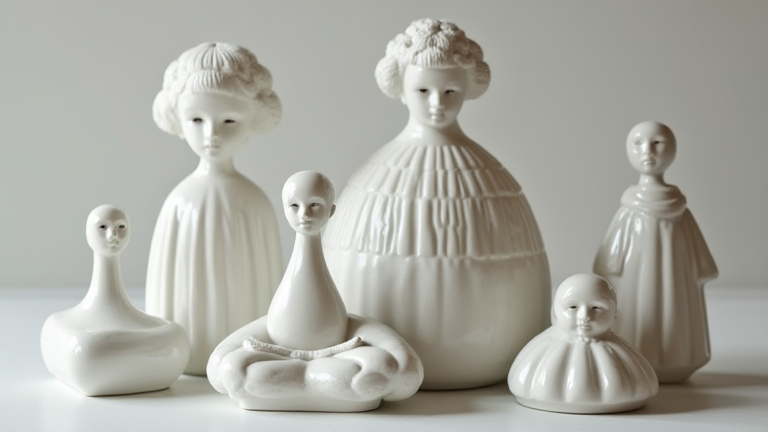
TL;DR: Handcrafted porcelain figurines are timeless investments that blend artistic heritage with durable elegance, far surpassing mass-produced resin decor in detail and longevity. If you value heirloom-quality craftsmanship and a piece that tells a story, these sculptures are the definitive choice for elevating your home’s aesthetic.
Why Porcelain Figurines Remain Unmatched
In an era of 3D-printed knick-knacks and plastic ornaments, a handcrafted porcelain figurine stands as a quiet rebellion against disposability. Each piece begins as liquid clay, shaped by skilled artisans who have trained for decades—often in regions like Jingdezhen, China, or Limoges, France. The result is not just a decoration but a frozen moment of emotion, from a ballerina mid-pirouette to a shepherd cradling a lamb. Unlike resin, which yellows and chips, porcelain undergoes high-temperature kiln firing (above 1,200°C), yielding a glass-like, non-porous surface that resists fading and cracking for generations.
If you want to dig deeper, check out our guide on Porcelain Sculptures: Top Business Ideas for Collectibles.
Feature Highlights: What Sets Them Apart
Hand-Painted Detailing: Every figurine features hand-applied underglaze and overglaze pigments, giving each piece subtle variations—no two are identical. The fine brushwork on facial expressions, lace textures, and floral accents creates a realism that machine-applied decals cannot replicate.
Translucent Body: True bone china porcelain (containing 30% bone ash) allows light to pass through thin areas, creating a warm, luminous glow when placed near a window or lamp. This is a hallmark of premium craftsmanship.
Weight and Balance: A quality figurine feels substantial (300–800 grams) with a perfectly centered base, ensuring it won’t topple on shelves or mantels. The glaze is smooth to the touch, with a cool, satin finish that invites handling.
Comparison: Porcelain vs. Resin vs. Ceramic
Resin figurines are cheap (under $20) but hollow, prone to chipping, and look artificially glossy within a year. Standard ceramic (earthenware) is porous and requires a thick, opaque glaze, losing detail. Porcelain, by contrast, is fired at double the temperature, allowing for ultra-thin, delicate features like outstretched fingers or flowing gowns that would break in lesser materials. While porcelain costs $80–$300, its per-year cost over a lifetime is negligible compared to replacing resin decor every few seasons.
Where to Place Them for Maximum Impact
Display porcelain figurines in curated vignettes—on a floating shelf with a single LED spotlight, inside a glass-front cabinet with a mirrored back, or as a centerpiece on a mahogany sideboard. Avoid direct sunlight (which can fade hand-painted gold accents) and high-humidity bathrooms. Pair a classic 18th-century-style shepherdess with modern abstract art for an eclectic contrast that sparks conversation.
Call to Action
Don’t settle for fleeting trends. Browse our curated collection of 50+ handcrafted porcelain figurines—each authenticated and shipped with a certificate of origin. Use code TIMELESS10 for 10% off your first heirloom piece. Your grandchildren will thank you.
FAQ
Q: How do I clean a handcrafted porcelain figurine without damaging the paint?
A: Dust weekly with a soft, dry synthetic brush (never a cloth, which can snag on raised details). For deeper cleaning, use a slightly damp cotton swab with distilled water, then immediately dry with a microfiber cloth. Avoid soap, alcohol, or ultrasonic cleaners—they will strip the hand-painted underglaze.
Q: Are all porcelain figurines marked with a brand or artist signature?
A: Not always. Genuine handcrafted pieces from reputable studios (e.g., Lladró, Royal Copenhagen, or artisan workshops)
Leave a Reply