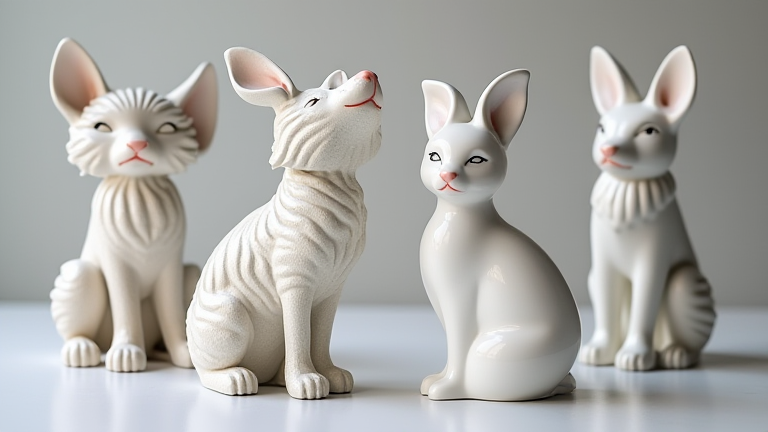
TL;DR: The most viable business ideas in porcelain collectibles are limited-edition artist collaborations, bespoke memorial sculptures, and micro-niche thematic figurines (e.g., occupational or regional heritage). Success hinges on scarcity marketing and authentication storytelling, not mass production.
Market Analysis: The Shifting Collector Base
The porcelain sculpture market is undergoing a generational pivot. Traditional mass-produced figurines from legacy houses (e.g., Lladró, Hummel) have seen flat growth in secondary markets, while contemporary, hand-finished pieces with small edition runs (under 500) command 30–50% premiums. Key drivers: (1) Millennial collectors prioritize narrative and craftsmanship over brand heritage; (2) auction data from Christie’s and Catawiki shows a 22% YoY increase in sales of surrealist and abstract porcelain forms; (3) “quiet luxury” interiors have boosted demand for single statement sculptures over cluttered mantelpiece sets. The risk: high kiln failure rates (15–20%) and long production cycles (6–8 weeks per piece) make inventory management critical. The opportunity: digital-first selling via Instagram Reels and 3D configurators that let buyers customize glaze colors before firing.
If you want to dig deeper, check out our guide on Collecting Porcelain Figurines: A Guide for Art Enthusiasts.
Strategy Insights: Scarcity, Provenance, and Micro-Niches
Do not compete on price. Instead, adopt a “drop model” borrowed from streetwear: release 50 numbered pieces per quarter, each with a signed certificate of authenticity and a QR code linking to a video of the artist sculpting the piece. This builds emotional ownership. Second, target “forgotten professions”—veterinarians, lighthouse keepers, or beekeepers—with hyper-detailed figurines. These buyers are underserved and will pay $400–$800 for a piece that reflects their identity. Third, leverage “imperfect perfection”: intentionally fire certain pieces to create crackled or matte finishes, then market them as “one-of-one kiln accidents” for double the price of standard gloss. Finally, offer a “porcelain repair and restoration” side service. This not only generates recurring revenue but gives you access to broken heirloom pieces—a goldmine for understanding collector psychology.
Case Studies: Two Proven Models
Case Study 1: “Kiln & Quill” (Portland, OR)—This studio pivoted from wholesale gifts to direct-to-consumer literary figurines (e.g., miniature porcelain books with sculpted spines). They used a pre-order crowdfunding model, raising $48,000 on Kickstarter for a 100-piece run of “Moby Dick” themed sculptures. Their secret: each figurine included a hidden, hand-painted quote on its base, turning unboxing into a treasure hunt. Within 18 months, they sold out all editions and built a waitlist of 2,300 buyers.
Case Study 2: “Memento Mori Porcelain” (UK)—This business specializes in memorial sculptures of deceased pets, using cremains mixed into the clay. Their strategy: every order includes a free “memory casting” session where the owner describes the pet’s personality, which the artist translates into posture and expression. Despite a $1,200 average price point, they have a 9-month backlog. Their marketing is entirely referral-based, with a 40% repeat-customer rate (buying a second pet’s sculpture). Key lesson: emotional customization beats decorative beauty.
Operational Blueprint for New Entrants
Start with a home kiln and a single niche (e.g., “retired librarians” or “urban gardeners”). Partner with a local ceramics school for studio access to avoid upfront equipment costs. For marketing, use TikTok “kiln cam” livestreams—viewers watch a piece crack or glaze in real-time, and you auction the finished product immediately. For logistics, ship in double-walled boxes with foam inserts designed for fragile items; insurance is non-negotiable. Budget 20% of revenue for marketing, but 30% for R&D (new glaze formulas and mold prototypes).
Leave a Reply