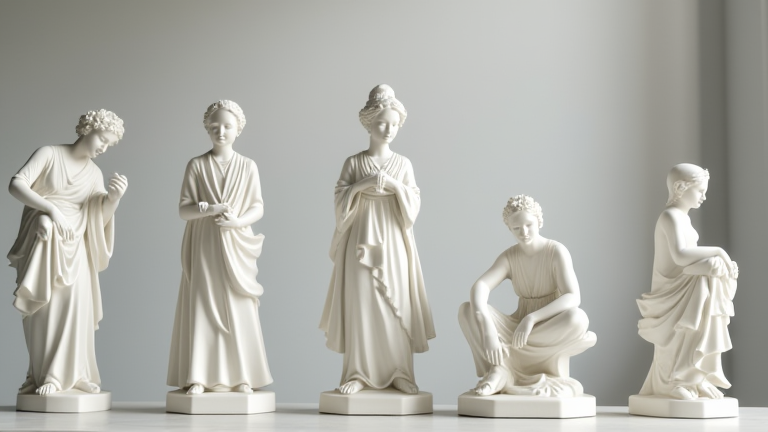
TL;DR: Porcelain figurines are no longer dusty heirlooms; they are curated statements of timeless elegance that bridge cultural heritage and modern minimalism. By styling them with intention, you can transform any contemporary space into a gallery of personal narrative and refined taste.
The Art of Slow Living, Captured in Clay
In a world of fast furniture and disposable décor, there is a quiet rebellion in the delicate permanence of porcelain. Each figurine—whether a Meissen courtier, a delicate Japanese Geisha, or a whimsical Danish Flora Danica bloom—carries the fingerprints of its kiln. Unlike mass-produced resin, porcelain demands patience: the glaze must cure, the fire must reach 1,300°C, and the artist’s hand must steady through every brushstroke. This is the antithesis of the “buy now, regret later” culture. When you place a porcelain sculpture on your shelf, you are not just decorating; you are practicing a form of slow living that honors craftsmanship over convenience.
If you want to dig deeper, check out our guide on Porcelain Figurine Tutorial: Step-by-Step Guide for Beginner.
A Cultural Passport for Your Bookshelf
Travel may be paused, but your home can still be a museum. Porcelain figurines are cultural storytellers. A blue-and-white Delftware dancer whispers of Dutch trade routes; a famille rose phoenix evokes Qing dynasty opulence; a mid-century Scandinavian maiden reflects Nordic simplicity. Instead of buying a generic souvenir magnet, collect a figurine that represents a place you love—or dream of visiting. Group three to five pieces on a floating shelf, mixing heights and eras. The result is a curated vignette that sparks conversation: “Where did you find that?” becomes an invitation to share your travel tales, your grandmother’s inheritance, or your latest auction find. This is décor with a passport, not just a price tag.
Personal Growth Through Curated Imperfection
There is a profound lesson in caring for porcelain: it teaches acceptance of fragility. A chipped ear or a hairline crack does not ruin a figurine—it gives it a story. Modern minimalist interiors often chase perfection, but a single antique porcelain piece with a visible repair (kintsugi-style, with gold lacquer) breaks that sterile tension. It reminds you that beauty survives damage. As you arrange your collection, you learn to edit your own life: what to keep, what to display, what to let go. Each figurine is a mirror of your evolving taste—from kitschy childhood trinkets to refined, sculptural forms. This is personal growth, literally on the shelf.
Styling Rules for the Modern Eye
To avoid a “grandma’s cabinet” vibe, follow three rules. First, edit ruthlessly: display only 5–7 pieces per room, spaced with breathing room. Second, contrast materials: place a porcelain bust on a travertine plinth, or pair a white figurine with black steel bookends. Third, use odd numbers and varying scales—a tiny robin next to a tall court lady creates rhythm. Place them near natural light, but never direct sun (it fades the glaze). And for a bold modern twist, put a single figurine inside a glass cloche or on a stack of art books. The interplay of delicate porcelain and raw, tactile surfaces is pure contemporary elegance.
FAQ
Q: How do I clean porcelain figurines without damaging the glaze?
A: Use a soft, dry, natural-hair brush (like a makeup brush) to dust weekly. For deeper cleaning, wipe with a barely damp microfiber cloth, then dry immediately. Never submerge them in water or use chemical cleaners, as these can erode the glaze and hand-painted details.
Q: Are vintage porcelain figurines a good investment for modern décor?
A: Yes, both aesthetically and financially. Vintage pieces from brands like Royal Copenhagen, Lladró, or Herend hold value and add authentic character. Unlike new mass-produced items, they offer unique patina and provenance. For modern spaces, choose clean-lined figurines (animal forms, abstract dancers) over ornate Victorian clusters.
Leave a Reply