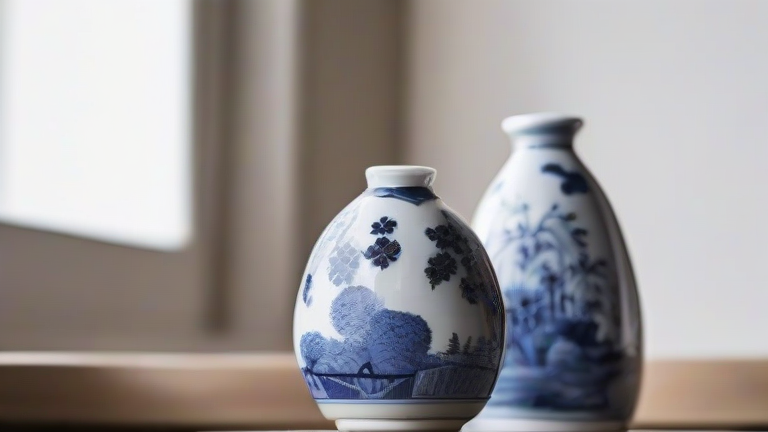
Health Risks of Old Porcelain Figurines
TL;DR: Old porcelain figurines may pose health risks primarily due to lead and cadmium in glazes, which can leach into the air or be ingested if chips occur. Regular dusting and avoiding the use of these items for food storage significantly reduce exposure to these toxic heavy metals.
The Hidden Hazards of Vintage Collectibles
Many collectors adore the intricate details of vintage porcelain figurines, yet few realize the potential chemical dangers they pose. Porcelain manufactured before the 1970s often contains lead and cadmium in the glaze, used to achieve vibrant colors and a glossy finish. While intact porcelain is generally stable, the real danger emerges when these items degrade. Cracks, chips, or worn areas can expose the underlying ceramic body or allow glaze particles to flake off, creating a direct pathway for toxic exposure. According to environmental health studies, chronic low-level exposure to lead is linked to neurological issues, kidney damage, and cardiovascular problems, particularly in children and the elderly.
If you want to dig deeper, check out our guide on Porcelain Figurines: Health Benefits of Displaying Ceramic A.
Practical Safety Measures for Collectors
To enjoy your collection safely, adopt specific lifestyle habits that minimize contact and inhalation risks. First, never use antique figurines as decorative items in kitchens or dining areas, especially if they have ever held food or liquids. Even if they appear clean, microscopic residues may persist. Second, establish a strict dusting routine. Dust accumulation on porous or cracked surfaces can trap lead particles. Use a damp microfiber cloth rather than dry dusting, which can release particles into the air. Avoid using abrasive cleaners that might further damage the glaze, accelerating the leaching process. If a figurine has significant chips or cracks, consider having it professionally sealed with a non-toxic, food-safe ceramic coating or, alternatively, retire it to a sealed display case to prevent physical contact.
Monitoring Your Environment
Your home environment plays a crucial role in mitigating risk. Ensure adequate ventilation in rooms where you clean or handle your collection. If you live in a home with older plumbing, be aware that water used to clean figurines might contain additional lead, so using filtered water for cleaning is a prudent step. Furthermore, keep these items away from areas where young children play. Children are particularly vulnerable because they are more likely to touch objects and then put their hands in their mouths. By treating vintage porcelain as a “handle with care” item, you protect your health while preserving the aesthetic value of your collection. Regular health screenings can also help monitor your internal lead levels if you have been in prolonged contact with unsealed vintage items.
FAQ
Q: Are all old porcelain figurines toxic?
A: Not all, but many pre-1970s items contain lead glazes. The risk increases significantly if the glaze is chipped, cracked, or worn, as this allows heavy metals to leach out or become ingested.
Q: Can I use old porcelain figurines to hold food or drinks?
A: No, it is strongly advised against. Even if they appear intact, microscopic cracks can harbor lead and cadmium, which may leach into food or beverages, posing serious health risks.
Q: How should I clean vintage porcelain figurines safely?
A: Use a damp microfiber cloth to gently wipe away dust, avoiding abrasive scrubbing. Do not use them in dishwashers or hot water, as heat can accelerate the degradation of old glazes and release harmful particles.
Leave a Reply