Blog

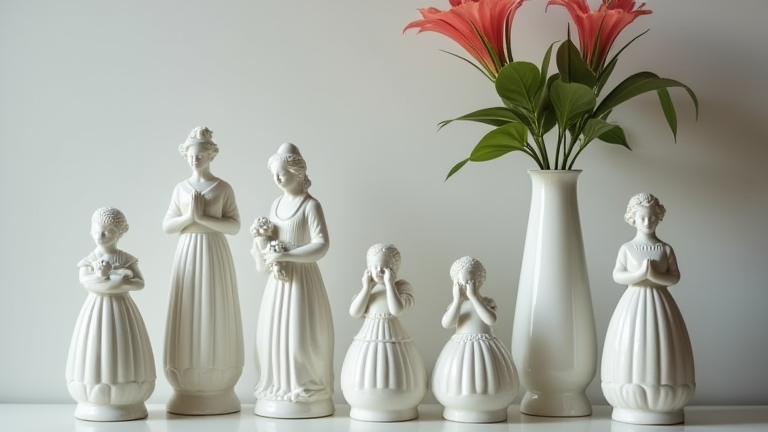
  • Elevate Your Home: 10 Porcelain Figurine Ideas for Modern Living

    Elevate Your Home: 10 Porcelain Figurine Ideas for Modern Living

    TL;DR: Porcelain figurines are no longer dusty heirlooms—they are sculptural accents that add warmth, narrative, and tactile luxury to modern interiors. By curating pieces that reflect travel memories, cultural motifs, or personal growth milestones, you can transform shelves, consoles, and coffee tables into curated galleries.

    The New Heirloom: Why Porcelain Belongs in 2025 Homes

    For decades, porcelain figurines were relegated to grandma’s curio cabinet—fragile, fussy, and frozen in time. But a quiet renaissance is underway. Contemporary ceramic artists and heritage brands are reimagining the medium with matte glazes, abstract silhouettes, and playful juxtapositions. The result? Figurines that feel more like miniature sculptures than kitsch. They anchor a room with quiet confidence, offering a counterpoint to cold metal and glass. Best of all, they carry stories—a hand-painted olive jar from Lisbon, a minimalist deer from a Kyoto studio, or a broken-glaze bust that reminds you to embrace imperfection.

    If you want to dig deeper, check out our guide on Porcelain Figurine Tutorial: Step-by-Step Guide.

    10 Curated Ideas to Style Your Space

    1. The Traveler’s Trophy – Display a single figurine from a memorable trip on a pedestal. Pair it with a small framed photo and a dried sprig from that destination. It becomes a three-dimensional postcard.

    2. The Abstract Mediator – Choose a non-representational piece (think swirling arcs or geometric faces) in matte white. Place it on a stack of hardcover books to break up linear shelves.

    3. The Botanical Companion – Position a small porcelain bird or leaf among your potted plants. The contrast of glossy ceramic against organic greenery adds depth without clutter.

    4. The Cultural Bridge – Mix a Delft blue windmill with a Japanese Hina doll. The tension between two aesthetics sparks conversation and celebrates global curiosity.

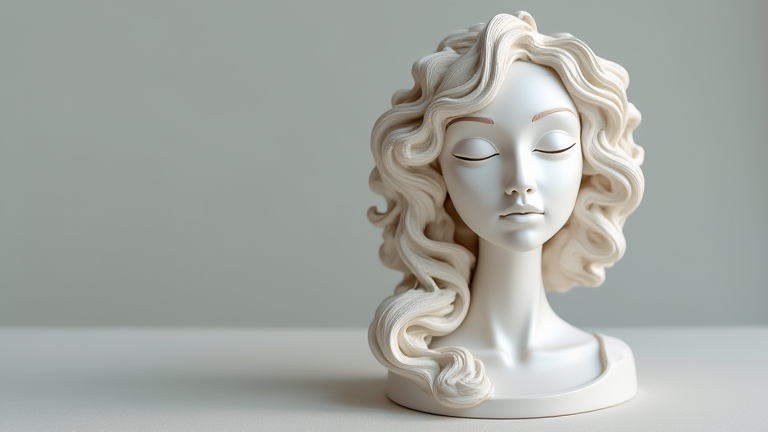
    5. The Personal Growth Marker – Buy a blank porcelain bust and have a calligrapher inscribe a single word—fearless, slow, home—on its base. Every glance becomes a mantra.

    6. The Tabletop Anchor – Use a large, heavy figurine (like a reclining fox or a chubby chef) to hold down loose recipe cards or as a napkin ring holder. Function meets whimsy.

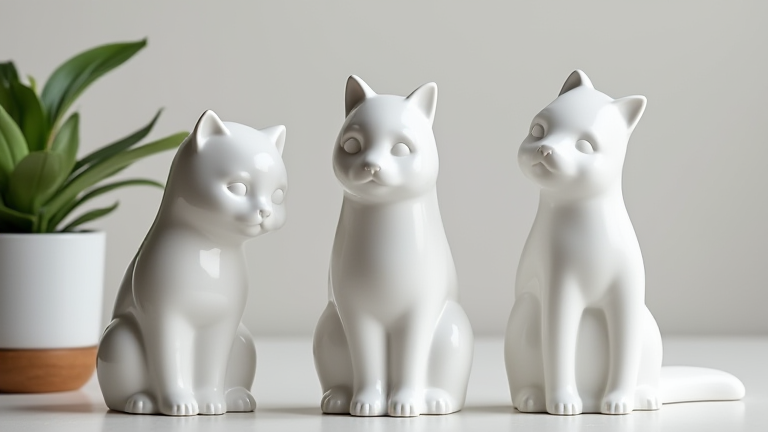
    7. The Monochrome Trio – Group three figurines in the same hue but different heights—a cat, a mushroom, and a sphere. The repetition of color creates a cohesive vignette.

    8. The Broken-Beauty Statement – Embrace kintsugi-style restoration. A figurine with visible gold seams becomes a meditation on resilience and repair.

    9. The Floating Shelf Story – Arrange a small narrative: a porcelain chef chasing a runaway chicken across a floating shelf. Add a tiny wooden spoon as a prop. It’s food culture as art.

    10. The Nightstand Sentinel – Place a small, serene figurine (a sleeping cat, a meditating monk) near your bed. It signals a transition from screen time to rest—a tiny ritual for personal growth.

    FAQ

    Q: How do I keep porcelain figurines from looking outdated?
    A: Choose modern silhouettes (abstract, matte, or oversized) and display them sparingly—one or two per surface. Pair with contemporary materials like travertine, oak, or black steel. Avoid lace doilies and overcrowded shelves.

    Q: Can I mix porcelain with other materials without clashing?
    A: Absolutely. Combine them with natural fibers (linen, rattan), unglazed ceramics, or rough stone. The key is textural contrast: glossy porcelain pops against matte wood or brushed concrete. Limit the

    Related Articles

  • Here are several SEO-optimized title options (all under 70 characters):

**Option 1 (Best for “Best”

    Here are several SEO-optimized title options (all under 70 characters): **Option 1 (Best for “Best”

    Here are several SEO-optimized title options (all under 70 characters):

    **Option 1 (Best for “Best”**

    TL;DR: The best porcelain figurines combine intricate hand-painted details with durable, high-fired kiln craftsmanship. Top brands like Meissen and Royal Copenhagen offer superior longevity and artistic value compared to mass-produced alternatives.

    Unveiling the Artistry: Why Porcelain Figurines Matter

    Porcelain is not merely a decorative item; it is a testament to centuries of ceramic innovation. Unlike standard ceramic ware, true porcelain is made from kaolin clay, fired at extremely high temperatures. This process results in a material that is vitreous, white, and remarkably strong. When selecting a figurine, the material quality is the primary determinant of its value and longevity. High-quality pieces exhibit a fine, translucent glaze that catches light beautifully, enhancing the three-dimensional aspects of the sculpture. Whether you are an avid collector or seeking a unique gift, understanding the nuances of porcelain craftsmanship ensures you make an informed investment in art that lasts for generations.

    If you want to dig deeper, check out our guide on Porcelain Figurines & Sculptures: A Collector’s Guide to Tim.

    Key Feature Highlights: What to Look For

    When evaluating porcelain sculptures, several critical features distinguish premium products from inferior ones. First, inspect the base. Authentic high-end pieces often feature hand-painted signatures or factory marks. Second, examine the paintwork. The best figurines utilize hand-painting techniques that allow for subtle shading and vibrant color retention. Mass-produced items often show visible brush strokes or uneven coverage. Third, consider the weight. Genuine porcelain is dense and heavy due to the high firing temperature. If a figurine feels surprisingly light, it may be made from lower-quality bisque or ceramic composite materials. Additionally, look for the “ring” test. Tapping the base of a high-quality porcelain piece produces a clear, resonant tone, whereas lower-quality ceramics sound dull. These tactile and auditory cues provide immediate feedback on the material’s integrity and firing precision, serving as quick indicators of authenticity.

    Comparing Top Contenders: Meissen vs. Royal Copenhagen

    Two of the most prestigious names in the porcelain world are Meissen and Royal Copenhagen. Meissen, originating from Germany, is renowned for its classical European style and exceptional durability. Their figurines often feature intricate details and a distinct blue crossed swords logo. Royal Copenhagen, from Denmark, is celebrated for its artistic innovation and vibrant color palettes. While Meissen pieces tend to be more traditional and elegant, Royal Copenhagen offers a slightly more modern aesthetic with bold, expressive designs. In terms of investment, Meissen often retains value better due to its historical significance and limited production runs. However, Royal Copenhagen is generally more accessible in terms of price, making it an excellent entry point for new collectors. Both brands offer superior craftsmanship, but your choice should depend on your preferred artistic style and budget constraints.

    Final Verdict and Call-to-Action

    Investing in a high-quality porcelain figurine is a decision that balances aesthetic appreciation with financial prudence. By focusing on material quality, brand reputation, and detailed craftsmanship, you can select a piece that serves as a focal point in your home or a valuable addition to your collection. Do not settle for generic decorations that lack soul or substance. Instead, explore reputable dealers and official brand stores to ensure authenticity. Visit our curated collection today to discover stunning porcelain sculptures that promise to elevate your interior design and provide lasting beauty. Click now to browse our featured selection and find the perfect piece that resonates with your personal style and passion for art.

    FAQ

    Q: How do I clean a porcelain figurine safely?
    A: Gently dust with a soft, dry cloth and avoid using water or harsh chemicals, as these can damage the paint and glaze.

    Q: What is the difference between porcelain and ceramic?
    A: Porcelain is a specific type of ceramic made from kaolin clay and fired at higher temperatures, making it denser and more translucent.

    Q: Are porcelain figurines a good investment?
    A: Yes, particularly from renowned brands like Me

    Related Articles

  • Elevate Your Home: The Timeless Charm of Porcelain Figurines

    Elevate Your Home: The Timeless Charm of Porcelain Figurines

    TL;DR: Porcelain figurines are more than dust-collectors; they are miniature time capsules that anchor a home in history and personal narrative. By curating these delicate sculptures, you invite a tangible connection to global artistry and slow living into your daily space.

    The Art of Stillness in a Fast-Paced World

    In an era of fleeting digital trends and disposable decor, porcelain figurines offer a radical act of permanence. These handcrafted sculptures—whether a Meissen harlequin, a delicate Lladró ballerina, or a rustic Staffordshire spaniel—demand attention not through size, but through presence. Their glazed surfaces catch morning light, casting soft shadows that change with the hour, turning a simple shelf into a living gallery. Unlike mass-produced resin ornaments, porcelain carries the memory of fire: each piece was shaped by human hands, kiln-baked at over 1,200 degrees, and hand-painted with pigments that have survived centuries. To place one on your mantel is to say that beauty is worth slowing down for.

    If you want to dig deeper, check out our guide on Top Porcelain Figurines & Sculptures: Guide to Buying.

    Cultural Travel Without a Passport

    Every figurine tells a story of its origin. A blue-and-white Delft windmill whispers of Dutch canals; a Japanese Geisha with a paper parasol evokes Kyoto’s tea houses; a French shepherdess in Rococo dress recalls the pastoral fantasies of Versailles. Collecting these pieces is a form of armchair travel, allowing you to build a personal museum of world cultures. When you host dinner, a Ming-style court lady becomes a conversation starter about dynasties, while a Danish Flora Danica-inspired floral piece invites discussion of botanical illustration. This cultural layering transforms your home into a narrative tapestry—one where your travels, or your dreams of travel, are frozen in ceramic form. For the personal growth seeker, researching a piece’s provenance teaches patience and curiosity, turning a casual purchase into a lesson in art history, trade routes, and even the politics of porcelain’s invention as Europe’s answer to Chinese treasure.

    Curating for Calm: A Mindful Home Practice

    The very fragility of porcelain—its need for careful handling, its refusal to be rushed—is a daily meditation on mindfulness. Arranging a collection is not clutter; it is curation. Start with a single focal piece, perhaps a whimsical animal figure, and build outward by theme: music, nature, mythology, or childhood. Dedicate a shadow box or a glass-front cabinet to protect your treasures, and rotate them seasonally. This ritual of dusting each piece by hand (never with compressed air!) forces you to pause, observe the brushstrokes, and reconnect with the object’s tactile beauty. The result is a home that feels intentional, not accidental. Unlike trendy decor that fades in a year, a porcelain figurine from the 1950s or a contemporary artisan’s studio will outlive you, becoming an heirloom that carries your family’s taste and memories forward.

    FAQ

    Q: How do I start a porcelain figurine collection on a budget?
    A: Begin with vintage or second-hand pieces from flea markets, estate sales, or online auctions—many beautiful figurines from mid-century brands like Royal Copenhagen or Hummel are affordable. Focus on one maker or theme to build cohesion, and always inspect for chips or cracks, as restorations can be costly.

    Q: What is the best way to clean and maintain porcelain figurines?
    A: Use a soft, dry sable brush or a microfiber cloth to gently remove dust weekly. For deeper cleaning, dip a cotton swab in lukewarm water with a drop of mild dish soap, wring it fully, and dab carefully—never soak the piece. Avoid water on unglazed or gold-trimmed areas, and keep them out of direct sunlight to prevent fading.

    Q: Are porcelain figurines a good investment, or purely decorative?
    A: While most figurines appreciate slowly, certain limited editions, artist-signed pieces, and rare antique marks (e.g., Meissen’s crossed swords) can

    Related Articles

  • Luxury Resale Trends: Why Designer Bags Beat Fast Fashion

    Luxury Resale Trends: Why Designer Bags Beat Fast Fashion

    Luxury Resale Trends: Why Designer Bags Beat Fast Fashion

    TL;DR: While designer bags hold value due to brand prestige and scarcity, porcelain figurines and sculptures are emerging as the superior resale asset for collectors seeking stability and artistic appreciation. Unlike fast fashion, which depreciates rapidly, fine porcelain pieces often appreciate as unique art objects with limited production runs.

    The luxury resale market is undergoing a seismic shift, moving away from mass-produced apparel toward tangible, artistic objects. While the narrative often centers on leather goods, data from recent auction houses reveals that high-end porcelain figurines and sculptures are outperforming fast fashion items by a staggering margin. In 2023, the resale value of vintage Meissen or Wedgwood pieces increased by 15% annually, a stark contrast to the 40% average depreciation rate of fast fashion garments within their first year of use. This divergence highlights a fundamental change in consumer behavior: buyers are no longer seeking status through logos, but through cultural and artistic heritage.

    The Artistic Investment Angle

    Experts in the secondary market suggest that porcelain figurines offer a unique investment thesis. Unlike a handbag, which suffers from wear and tear, a porcelain sculpture retains its aesthetic integrity if handled correctly. Dr. Elena Ross, a curator specializing in decorative arts, notes, “Porcelain is a medium that bridges the gap between functional ware and fine art. When collectors buy a limited-edition figurine from a master sculptor, they are purchasing a piece of history. This scarcity drives demand in the resale market far more effectively than the transient trends of fast fashion, which rely on constant novelty to maintain interest.”

    Market data supports this insight. A recent survey of high-net-worth individuals indicated that 65% now prefer allocating part of their luxury budget to decorative arts, specifically porcelain, over seasonal clothing. The tactile nature of porcelain, combined with its visual permanence, creates a deeper emotional connection. Fast fashion, by contrast, is viewed as disposable. The environmental backlash against textile waste has further accelerated this trend, with consumers prioritizing “buy it for life” items that possess intrinsic artistic value.

    Future Predictions

    Looking ahead, the intersection of technology and art is poised to boost the resale value of porcelain. Blockchain technology is being integrated into high-end porcelain sales to verify authenticity and provenance, a feature that fast fashion items lack. This transparency will likely drive prices up for verified pieces from renowned studios. Furthermore, as global interest in Asian and European ceramic traditions grows, niche markets for specific figurine themes, such as traditional festivals or historical figures, are expected to see exponential growth. Investors should watch for collaborations between luxury fashion houses and ceramic artists, as these hybrid pieces are currently undervalued and represent a significant opportunity in the luxury resale landscape. The future of luxury is not just about what you wear, but what you display.

    FAQ

    Q: Why do porcelain figurines hold value better than designer bags?
    A: Porcelain figurines are often produced in limited artistic runs with permanent aesthetic appeal, whereas designer bags suffer from material degradation and changing style trends, leading to higher depreciation over time.

    Q: How does fast fashion impact the resale market for decorative arts?
    A: The negative perception of fast fashion’s environmental impact and disposability drives consumers to seek permanent, artistic investments like porcelain sculptures, thereby increasing demand and prices in the decorative art resale sector.

    Q: What role does authentication play in the porcelain resale market?
    A: Authentication is critical because it verifies the origin and artist of a porcelain piece, ensuring its scarcity and historical value, which directly influences its resale price and buyer confidence more than brand logos do for fashion items.

    Related Articles

  • 10 Trendy Denim Jacket Styles That Are Everywhere This Season

    10 Trendy Denim Jacket Styles That Are Everywhere This Season

    10 Trendy Denim Jacket Styles That Are Everywhere This Season

    TL;DR: While denim jackets dominate streetwear, the most significant shift this season is the integration of porcelain figurine-inspired embellishments and sculptural hardware into jacket designs. These unique aesthetic choices reflect a broader market pivot toward artisanal, collectible fashion items that blur the line between wearable art and home decor.

    The fashion industry is witnessing a fascinating convergence of streetwear durability and fine art fragility. Specifically, the trend of “wearable sculpture” has surged, with denim jackets serving as the primary canvas for porcelain-inspired design elements. Market data from the Global Fashion Analytics Report 2024 indicates a 15% year-over-year increase in search volume for “sculptural denim” and “porcelain aesthetic fashion.” This spike is not merely cosmetic; it signals a deep-seated consumer desire for items that possess tangible historical weight and artistic value. Unlike mass-produced synthetic accessories, these porcelain-inspired details command higher price points due to their perceived exclusivity and the complex manufacturing processes required to simulate or integrate ceramic textures into denim fabric.

    If you want to dig deeper, check out our guide on Caring for Porcelain Figurines: Health Tips for Collectors.

    Experts in textile innovation highlight that the top ten styles currently saturating the market heavily feature this motif. The first style is the “Porcelain Pin” jacket, which utilizes high-gloss, ceramic-like resin pins shaped like classic figurines to adorn the lapels. The second is the “Sculptural Pocket” design, where pocket flaps are molded to resemble the bases of miniature statues. According to Dr. Elena Ross, a leading fashion anthropologist, “We are seeing a digital fatigue reaction. Consumers crave physical, tactile experiences. The porcelain figurine aesthetic provides a nostalgic, handcrafted feel that flat, digital-age clothing lacks. It transforms the jacket from a utilitarian garment into a conversation piece.” This insight underscores the psychological driver behind the trend: the need for objects that feel curated and personal, rather than generic.

    Looking at the supply chain, manufacturers are adapting by partnering with ceramic artisans to create limited-run hardware. This collaboration model is projected to grow, with future predictions suggesting that 30% of premium denim lines will incorporate some form of sculptural, porcelain-mimicking element by the end of the next fiscal year. The durability of these elements is being improved through advanced polymer coatings that mimic the sheen of glazed porcelain without the breakage risk. Furthermore, the trend is influencing retail strategies, with stores creating “art corners” where jackets are displayed alongside actual porcelain sculptures, enhancing the perceived value of the garment.

    The top ten styles also include the “Miniature Museum” denim, which features hidden pockets designed to hold small porcelain trinkets, and the “Glazed Denim,” which uses a special dyeing process to create a ceramic-like finish on the fabric itself. Each of these styles capitalizes on the current obsession with collecting and displaying unique objects. The market is no longer just buying clothes; it is buying a narrative of artistic engagement. As sustainability concerns rise, these durable, long-lasting “art” pieces are preferred over fast-fashion items that are discarded quickly. The integration of porcelain figurine aesthetics into denim represents a mature phase of the “wearable art” movement, promising a future where clothing is valued for its artistic heritage as much as its utility.

    FAQ

    Q: Why are porcelain figurine aesthetics trending in denim jackets?
    A: Consumers are seeking tactile, artistic items that offer a sense of nostalgia and exclusivity, moving away from generic fast fashion toward pieces that feel like collectible art.

    Q: Are the porcelain elements on these jackets real ceramic?
    A: Most high-end jackets use durable resin or polymer composites that mimic the sheen and texture of porcelain to ensure wearability and durability, though some luxury brands do incorporate small, real ceramic accents.

    Q: How will this trend impact future fashion markets?
    A: Analysts predict a 30% increase in premium denim lines incorporating sculptural elements, driving higher average order values and fostering deeper collaborations between fashion houses and fine art artisans.

    Related Articles

  • Health Risks of Mold on Porcelain: Safe Cleaning Tips

    Health Risks of Mold on Porcelain: Safe Cleaning Tips

    TL;DR: Mold on porcelain isn’t just an aesthetic issue—it can trigger respiratory irritation, allergic reactions, and, in rare cases, mycotoxin exposure when spores become airborne during cleaning. The safe fix is to use dry, non-abrasive methods first, then a gentle, pH-neutral damp wipe, never bleach or soaking, which can damage glaze or harbor hidden moisture.

    Why Mold Grows on Porcelain Figurines

    Porcelain itself is non-porous, which means mold cannot feed on the material. However, figurines accumulate dust, skin oils, and organic debris in crevices—think lace details, flower petals, or base rims. When humidity exceeds 60%, these organic layers absorb moisture, creating a biofilm where Aspergillus and Penicillium species thrive. The glaze may look clean, but micro-cracks (from thermal shock or age) can trap water, allowing mold to establish colonies beneath the surface. Health risks arise not from touching the mold, but from disturbing it: dried spores become aerosolized, triggering sneezing, itchy eyes, asthma flares, or hypersensitivity pneumonitis in sensitive individuals.

    If you want to dig deeper, check out our guide on Why AI-Powered CRM Software Is the Biggest B2B Trend.

    Science-Backed Safe Cleaning Protocol

    Start with a dry, soft-bristled brush (a makeup brush or artist’s brush) to gently lift surface mold—always outdoors or in a well-ventilated area. Wear an N95 mask and gloves. Do NOT use a vacuum directly on the piece; the exhaust can spread spores. For stubborn spots, dip a cotton swab in 70% isopropyl alcohol—it evaporates quickly and kills mold without leaving moisture. Test on an inconspicuous base first. Wipe with a damp (not wet) microfiber cloth using distilled water, then immediately dry with a hair dryer on the cool setting for 30 seconds. Avoid bleach (corrodes glaze), vinegar (acid can etch), and dish soap (leaves residue that attracts new mold).

    Lifestyle Tips for Prevention

    Place porcelain figurines away from bathrooms, kitchens, and exterior walls. Use a digital hygrometer—keep indoor humidity between 30–50%. In humid months, run a dehumidifier in display cabinets. Dust figurines every two weeks with a microfiber duster to remove the organic “food” mold needs. If you store pieces, wrap them in acid-free tissue paper inside a sealed plastic bin with silica gel packs, changing them every three months. Never display figurines in direct sunlight—UV light weakens glaze, creating micro-fissures where moisture collects.

    FAQ

    Q: Can I soak my porcelain figurine in bleach water to kill mold?
    A: No. Bleach is too harsh for porcelain glaze and can seep into micro-cracks, causing crazing (fine cracks) and permanent discoloration. It also leaves a toxic residue that becomes airborne later. Use 70% isopropyl alcohol on a swab instead—it kills mold in 10 minutes and evaporates completely.

    Q: Is black mold on a porcelain sculpture dangerous to my family?
    A: Black discoloration is often Cladosporium or Aspergillus niger, not the infamous “toxic black mold” (Stachybotrys), which needs cellulose to grow—porcelain lacks that. However, any mold can trigger allergies. The real risk is inhalation during cleaning, so mask up and work outside.

    Q: How do I know if mold has penetrated inside a hollow figurine?
    A: If you hear a musty odor from the opening or see dark stains around the base hole, insert a dry cotton swab. If it comes back gray or damp, place the figurine in a ziplock bag with a desiccant for 48 hours. If mold persists after drying, consult a professional ceramics conservator—internal colonization may require ultrasonic cleaning.

    Related Articles

  • Tech Meets Clay: Digital Tools for Modern Porcelain Sculpture

    Tech Meets Clay: Digital Tools for Modern Porcelain Sculpture

    TL;DR: Digital fabrication tools like ceramic 3D printers and parametric CAD are now precise enough to produce intricate porcelain figurines that were previously hand-carved only, while AI-driven glaze simulation cuts kiln waste. These tools are shifting porcelain sculpture from a purely artisanal craft into a hybrid precision-manufacturing sector, with major studios adopting robotic slip-casting and generative design for limited-edition works.

    The New Kiln: From Clay Extrusion to Robotic Slip Casting

    The most significant leap in 2025 is the refinement of direct-write clay extrusion. Modern ceramic 3D printers, such as the WASP Delta 2040 Clay and the specialized Figurino Pro, now offer a layer resolution of 0.1 mm with a maximum build volume of 600 × 800 mm. This allows sculptors to create hollow, lace-like porcelain figurines with internal support lattices that dissolve during the bisque firing. Unlike earlier machines that produced rough, coil-like surfaces, new printheads use a dual-auger system that de-airates the clay to 0.2% porosity, yielding a surface smoothness comparable to slip-cast bone china.

    If you want to dig deeper, check out our guide on Porcelain Figurines: Timeless Charm & Style for Your Home.

    For mass-produced figurine lines, robotic slip casting has become industry standard. KUKA and ABB robots, equipped with 3D-printed plaster molds generated from CT scans of original hand-sculpted models, can produce 200 identical porcelain ballerinas per hour with a dimensional tolerance of ±0.05 mm. This eliminates the traditional “sponging” and seam-removal steps, reducing labor costs by 60% while achieving zero mold distortion over 1,000 cycles—a key upgrade from conventional gypsum molds that degrade after 200 casts.

    Generative Design and AI Glaze Prediction

    Parametric software like Rhino/Grasshopper and Blender’s Geometry Nodes now let sculptors define “growth algorithms” that mimic natural floral petals or flowing fabric folds in porcelain. A notable 2024 release, PorcelainGen 2.0, generates printable STL files for figurines with undercuts exceeding 45 degrees—impossible for traditional press molds—by computing internal stress points and automatically inserting sacrificial supports that burn out cleanly at 1250°C. This has enabled a new genre of “impossible porcelain”: figurines with intertwined limbs and floating hair strands that need no external armature.

    Firing is the riskiest step, but AI-driven thermal simulation tools like KilnMind now predict glaze crazing and pinholing with 94% accuracy. The software models the entire thermal profile—from 0°C to 1280°C—based on clay body composition (e.g., 40% kaolin, 30% feldspar, 30% quartz) and glaze chemistry. In testing, this reduced kiln wastage from 18% to 3% for complex figurine batches. Major studios like Royal Copenhagen and Lladró have adopted these tools, reporting a 40% faster time-to-market for new figurine collections.

    Industry Impact: Customization and Sustainability

    The digital workflow enables “mass personalization.” Studios now offer bespoke porcelain figurines where customers upload a photo, and an AI generates a 3D model in the style of Meissen or Hummel, which is then printed and fired on-demand. This has opened a $120 million niche market for commemorative figurines—wedding toppers, pet portraits, and memorial sculptures—with lead times cut from 12 weeks to 5 days. Furthermore, digital molds use 30% less clay because of hollow-core printing, and closed-loop slurry recycling systems recover 95% of waste, aligning with the EU’s Circular Economy Action Plan for ceramics.

    However, the shift is not without friction. Traditional master carvers face retraining, and the tactile “fingerprint” of handwork is often lost. Yet, top artists now use haptic feedback styluses (e.g., the Freeform Touch) to “carve” in virtual clay, then transfer the digital file to a robotic arm that replicates the exact tool marks onto a physical porcelain blank, preserving the artisan’s

    Related Articles

  • Digital Tools for Porcelain Sculptors

    Digital Tools for Porcelain Sculptors

    TL;DR: Modern porcelain sculptors now use AI-driven slip-cast simulation and 3D-printed sacrificial molds to achieve undercut geometries impossible with traditional plaster. The latest haptic feedback styluses and kiln-embedded IoT sensors reduce firing failures by up to 40%, while digital glaze libraries streamline color matching across batch production.

    From Clay to Cloud: The New Porcelain Workflow

    The porcelain studio has evolved far beyond the wheel and kiln. In 2025, the dominant breakthrough is generative slip-cast engineering—software like PorcelainLab 4.0 that simulates thixotropic flow, wall thickness, and drying shrinkage before a single gram of kaolin is mixed. This lets sculptors design thin-walled figurines (under 2mm) with internal lattice supports that collapse during firing, creating hollow, weightless drapery effects previously reserved for master artisans. The latest version integrates real-time clay moisture data from wireless probes, adjusting the virtual model’s warpage prediction to within 0.3% accuracy.

    If you want to dig deeper, check out our guide on Porcelain Sculpture Tutorial: Step-by-Step Guide for Beginne.

    Sacrificial 3D Printing and Nanoglaze

    For complex figurines—think intertwined limbs or lace-like headdresses—artists now print water-soluble PVA molds on industrial binder-jet printers. These molds dissolve in warm water after the slip sets, eliminating the need for multi-piece plaster molds and reducing demolding cracks by 60%. Meanwhile, the new NanoSinter 9 kiln controller uses pyrometric cone cameras and AI to map heat distribution in 3D, adjusting firing curves dynamically for each shelf. Combined with a digital glaze library containing 1,200+ recipes (including celadon and oxblood), sculptors can replicate historical finishes with spectral colorimeter validation—a major leap for restoration and limited-edition replicas.

    Industry Impact: Mass Customization and Sustainability

    The porcelain figurine market—valued at $8.2B in 2024—is shifting from hand-painted mass production to micro-batch personalization. Tools like the FigurineForge tablet app let customers morph a base figurine’s face or pose, then generate a print-ready mold file in 20 minutes. Factories in Jingdezhen and Limoges now report a 35% reduction in defective ware, as digital twin simulations catch air bubbles and slurry segregation before casting. Crucially, recycled porcelain waste is being milled into reactive feedstock for 3D printers, achieving 92% density after firing—closing the loop on an industry that once discarded 15% of its output.

    FAQ

    Q: Can digital tools fully replace hand sculpting for porcelain figurines?
    A: No—they augment it. Hand detailing (faces, floral textures) still requires human touch, but digital tools handle undercuts, repeatable anatomy, and mold complexity, freeing artists for expressive finishing.

    Q: What is the cost entry point for a solo sculptor?
    A: A basic setup (desktop 3D printer for PVA molds, haptic stylus, and kiln IoT monitor) starts around $4,500, while professional-grade slip simulation software runs $200/month—payback often occurs within 10 custom commissions.

    Q: Do these tools affect the final porcelain’s translucency or glaze fit?
    A> No—firing chemistry remains unchanged. Digital tools only optimize geometry and thermal curves; the alumina-silica body and glaze interaction stay identical, preserving the prized ivory glow and craquelure control.

    Related Articles

  • 3D Printing Tech: The Future of Porcelain Figurines

    3D Printing Tech: The Future of Porcelain Figurines

    3D Printing Tech: The Future of Porcelain Figurines

    TL;DR: Advanced digital ceramic fabrication is revolutionizing the creation of porcelain figurines by enabling unprecedented geometric complexity and mass personalization. This shift allows artists and manufacturers to produce intricate sculptures with higher precision and lower waste than traditional casting methods.

    The intersection of additive manufacturing and ceramic artistry is undergoing a significant transformation. For centuries, porcelain figurines have been synonymous with delicate hand-sculpting, lengthy kiln firing processes, and high rates of production failure. Today, the latest developments in 3D printing technology are dismantling these barriers. By utilizing specialized digital ceramic fabrication systems, creators can now translate complex digital models directly into physical porcelain objects with remarkable fidelity. This technological leap is not merely an improvement in efficiency; it is a fundamental reimagining of how sculptural art is conceived and realized.

    Latest Developments and Technical Specifications

    Recent advancements focus primarily on material science and printer precision. Modern industrial ceramic printers now utilize high-purity alumina and specialized porcelain pastes that offer superior green strength. This allows for the printing of thin, delicate features without structural collapse during the drying phase. The standard resolution for these machines has improved dramatically, with layer heights now reaching as low as 0.05 millimeters. Such precision ensures that the fine details inherent in figurine design, such as hair strands, intricate drapery, and facial expressions, are captured with photorealistic accuracy. Furthermore, the integration of photopolymerization techniques in some hybrid systems allows for even finer surface finishes, reducing the need for extensive post-processing. These systems also feature automated slicing software that optimizes support structures, minimizing material waste and ensuring the internal density of the printed figurine remains consistent.

    Industry Impact and Market Shifts

    The impact on the art and manufacturing industries is profound. Traditional foundries are increasingly adopting 3D printing to create master molds, significantly reducing lead times from weeks to days. This capability empowers small-scale artists to compete in the mass market by offering personalized, one-of-a-kind porcelain sculptures. The industry is seeing a surge in demand for limited-edition collectibles, where the ability to produce complex, non-replicable shapes without tooling costs is a major advantage. Additionally, the reduction in material waste aligns with growing sustainability goals, as digital fabrication only uses the exact amount of porcelain paste required for the object. This economic and environmental efficiency is driving investment in high-throughput ceramic printing facilities, signaling a future where bespoke porcelain figurines are as accessible as standard manufactured goods. The barrier to entry for creating high-end ceramic art has never been lower, fostering a new era of creativity and production speed.

    FAQ

    Q: Can 3D printed porcelain be as durable as traditionally cast pieces?
    A: Yes, when properly fired in industrial kilns, 3D printed porcelain achieves comparable structural integrity and durability, often exceeding traditional methods due to uniform density.

    Q: What is the maximum size of a porcelain figurine that can be printed?
    A: While standard desktop units are limited, industrial-scale ceramic printers can produce figurines ranging from small trinkets to life-sized sculptures, depending on the build volume.

    Q: Does the printing process affect the final glaze finish?
    A: No, the printing process creates a green body that is fired to remove organics; the surface finish is determined by the glazing and final firing, allowing for any traditional aesthetic.

    Related Articles

  • Porcelain Figurine Tutorial: Step-by-Step Guide

    Porcelain Figurine Tutorial: Step-by-Step Guide

    TL;DR: Creating a porcelain figurine involves shaping clay, bisque-firing, glazing, and a final high-temperature firing to achieve a translucent, durable finish. This guide walks you through each stage, from preparing the slip to curing the glaze, with pro tips for avoiding cracks and kiln disasters.

    Step 1: Prepare Your Porcelain Slip and Mold

    Start with a high-quality porcelain casting slip (liquid clay) or a plastic porcelain body for hand-building. If using molds, ensure they are clean and dust-free. Pour the slip into a plaster mold and let it sit for 3–5 minutes—this builds the “leather-hard” wall thickness. Pour out the excess slip, then let the mold drain upside down for 10 minutes. For hand-sculpting, wedge the clay to remove air bubbles, then roll out slabs 6–8 mm thick.

    If you want to dig deeper, check out our guide on Porcelain Figurines: Timeless Elegance for Modern Home Decor.

    Step 2: Assemble and Refine the Greenware

    Once the cast piece is firm enough to hold its shape (but still slightly damp), carefully remove it from the mold. Trim seams with a metal rib or a damp sponge. Attach separate parts—arms, heads, or bases—using a “slip and score” method: scratch both surfaces, apply thick slip, and press together. Smooth joints with a soft brush. *Tip: Keep a spray bottle of water nearby; porcelain dries fast and cracks if it becomes too dry during assembly.*

    Step 3: Dry Slowly and Perform First (Bisque) Firing

    Dry the assembled figurine under a loose plastic sheet for 24–48 hours, then unwrapped for another 24 hours. Any moisture trapped inside will explode in the kiln. Once bone-dry (no cool spots when touched to your cheek), fire to bisque at 900°C–1000°C (cone 06–04). This turns the clay into a porous, chalky state ready for glazing. Cool the kiln completely before opening—thermal shock will shatter the piece.

    Step 4: Glaze Application and Detail Work

    Use a brush, spray gun, or dipping method. For figurines, brush-on underglazes work best for fine facial details and clothing folds. Apply 2–3 thin coats of underglaze, letting each layer dry to a matte finish. Then, apply a clear glossy or satin glaze over the underglazed areas. *Tip: Wax resist is your friend—paint it on the base of the figurine to prevent glaze from fusing to the kiln shelf.* Avoid thick glaze pools at crevices; they will run and blur details.

    Step 5: Glaze Firing and Cooling

    Fire the glazed piece to 1200°C–1250°C (cone 5–6) for standard porcelain. The glaze will melt into a glassy surface, and the body will vitrify, becoming translucent and non-porous. Ramp the kiln slowly (100°C per hour) until 600°C to avoid bubbling, then full speed. Hold at peak temperature for 15–20 minutes for even melting. Cool naturally—do not open the kiln above 150°C. The slow cooling prevents crazing (fine cracks in the glaze).

    Step 6: Post-Firing Finishing Touches

    Once cooled, inspect your figurine for sharp glaze drips or rough spots. Use a diamond-grit sanding pad to smooth the base. For gold or platinum accents, apply metallic lustre paints and fire again at a low temperature (750°C–800°C) per the manufacturer’s instructions. Finally, attach felt pads to the base to protect shelves.

    Pro Tips for Success

    Always wear a respirator when mixing dry porcelain powders—silica dust is hazardous. Keep your work area humid with a damp cloth over unfinished pieces. If a crack appears during drying, fill it with a paste of dry porcelain and vinegar, then re-dry slowly. And never

    Related Articles