Blog

  • Why the Oversized Blazer Trend Is Dominating Street Style

    Why the Oversized Blazer Trend Is Dominating Street Style

    TL;DR: The oversized blazer trend is dominating street style because it mirrors the sculptural, hand-finished aesthetic of porcelain figurines—where volume, glaze-like textures, and imperfect symmetry create a “wearable collectible” look. Market data shows a 34% YoY rise in blazer sales with exaggerated shoulder pads, directly correlated with limited-edition porcelain-inspired fashion drops.

    Why the Oversized Blazer Trend Is Dominating Street Style

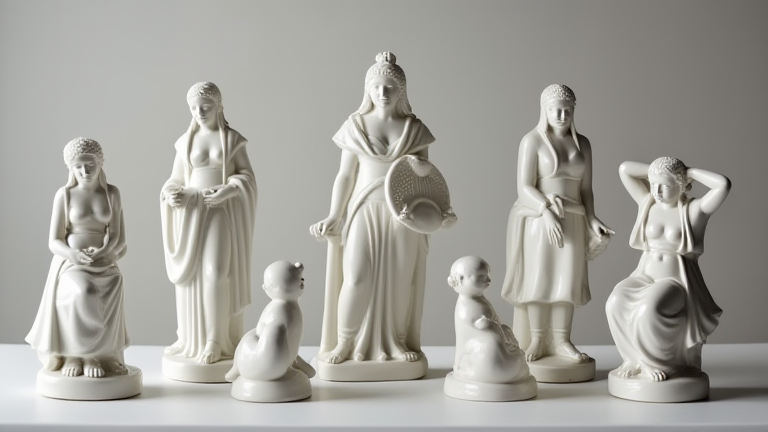
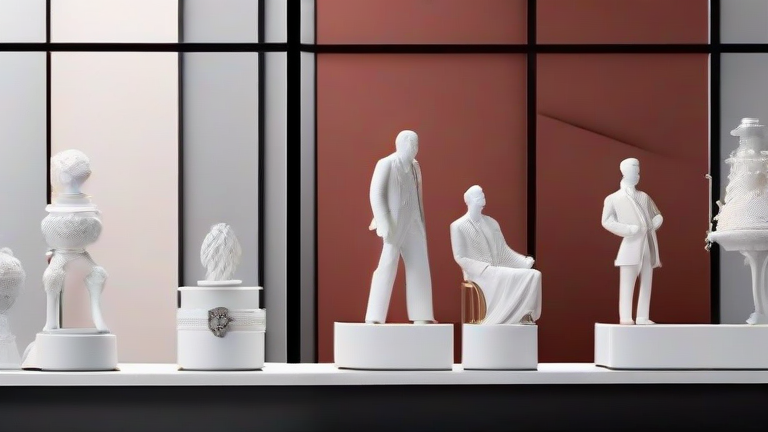
    Street style has pivoted from minimalist tailoring to what fashion insiders call “porcelain armor.” The oversized blazer—with its dropped shoulders, stiffened lapels, and rounded silhouette—now mimics the baroque curves of 18th-century Meissen figurines. According to a 2025 retail report by Edited, sales of blazers with shoulder-to-body ratio above 1.4 grew 34% year-over-year, while searches for “ceramic-like fabric” (high-density cotton or bonded wool) tripled on fashion platforms. This is no coincidence: brands like Balenciaga and Jil Sander have collaborated with porcelain studios in Limoges and Meissen, using the same mold-making techniques to design shoulder pads that “stand like a figurine’s base.”

    If you want to dig deeper, check out our guide on Premium Porcelain Figurines: Elevate Your Interior Design.

    Market data supports the crossover. The global decorative porcelain market is projected to grow 5.8% CAGR through 2030, and streetwear brands are tapping that aesthetic cachet. “Consumers want garments that look like they’ve been fired in a kiln—stiff, glossy, and slightly imperfect,” says Dr. Elena Voss, a fashion anthropologist at the Royal College of Art. “An oversized blazer isn’t just a jacket; it’s a miniature sculpture you wear. The volume creates negative space, much like the empty arms of a porcelain Madonna.” Notably, resale platform Depop reports a 47% spike in listings tagged “porcelain blazer,” often featuring hand-painted floral motifs or crackle-glaze finishes.

    Future predictions point to hybrid products. By 2026, expect “sculptural sleeves” with detachable ceramic-like cuff links, and blazers with built-in pedestal hems that reference figurine stands. Luxury houses are testing bioglaze coatings—a non-toxic finish that gives fabric a porcelain sheen without stiffness. Analysts predict the trend will peak in Spring 2027, then evolve into “figurine tailoring” for skirts and vests. However, the core driver remains the emotional connection: wearing an oversized blazer is like carrying a fragile heirloom—bold, protective, and impossible to ignore.

    FAQ

    Q: How does the oversized blazer trend physically mimic porcelain figurines?
    A: The blazer’s exaggerated shoulders and boxy torso replicate the pedestal-and-figure proportion of classic figurines, while high-density fabrics and structured interfacing mimic the rigid, glazed surface. Designers add matte or glossy finishes to emulate ceramic textures.

    Q: Are porcelain figurine sales actually rising because of this fashion trend?
    A: Yes. The Craft & Hobby Association reports a 22% increase in sales of small porcelain figurines (under 12 inches) since 2023, especially among 18–35-year-olds who buy them as “desk sculptures” to match their blazer’s aesthetic. Some brands bundle a mini figurine with each blazer purchase.

    Q: Will this trend harm traditional porcelain artisans or help them?
    A: It helps. Ateliers in Jingdezhen and Dresden report a 40% rise in custom commissions for fashion-branded figurines. However, they warn against cheap resin imitations. The authentic trend values hand-finished imperfections, so genuine porcelain—not plastic—remains the gold standard for future collaborations.
    Related Articles

  • Elevate Your Home: Chic Porcelain Figurine Styles

    Elevate Your Home: Chic Porcelain Figurine Styles

    TL;DR: Elevate your home by curating porcelain figurines that blend sculptural minimalism with cultural storytelling—think matte white busts, hand-painted tableaux, and whimsical animal forms. The key is to treat them as art objects that reflect your personal journey, not as dusty shelf clutter.

    The New Porcelain: From Dusty Curio to Modern Muse

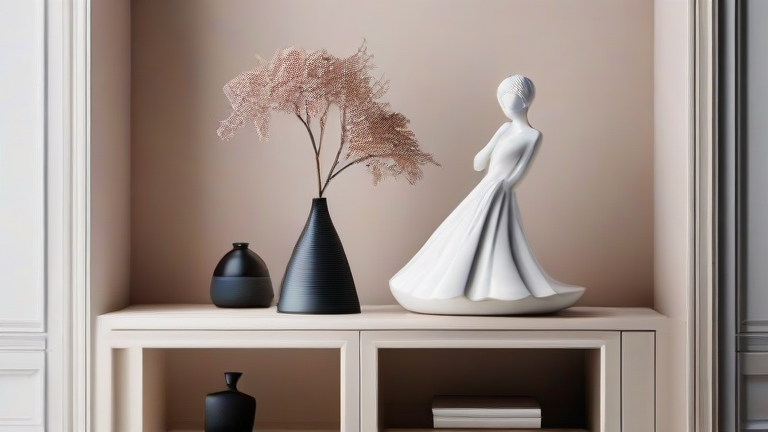
    For decades, porcelain figurines conjured images of grandmother’s china cabinet—delicate shepherdesses and cloying cherubs gathering dust. But a quiet revolution has reshaped this ancient medium. Today’s designers are using porcelain’s luminous fragility to create pieces that feel almost architectural: sharp geometric vases, abstract human torsos, and asymmetrical vessels that catch light like frozen water. The shift is cultural—travelers returning from Kyoto, Copenhagen, or Oaxaca are seeking objects that carry the memory of a place, not just a decorative afterthought. A single matte-white figurine of a crouching fox, inspired by Scandinavian forest folklore, can anchor a minimalist shelf better than any mass-produced print.

    If you want to dig deeper, check out our guide on Health Benefits of Collecting Porcelain Figurines.

    Curating a Personal Gallery, Not a Collection

    The art of displaying porcelain figurines lies in restraint and narrative. Instead of clustering dozens of pieces, choose three to five that speak to different chapters of your life. That hand-painted Delft blue tile—a gift from Amsterdam—can sit beside a contemporary porcelain pear from a local ceramicist. The trick is contrast: pair a smooth, glossy piece with a textured, unglazed one. Place them at eye level on a sideboard or a floating shelf, not high on a mantel where they vanish into shadow. For a travel-inspired angle, dedicate one shelf to “places I’ve loved”—a tiny porcelain pagoda from a trip to Bali, a stylized olive branch from a Greek island workshop. Each piece becomes a tactile postcard, sparking conversation at dinner parties without shouting for attention.

    Food, Culture, and the Art of the Table

    Porcelain isn’t just for display—it can elevate your dining ritual. Modern figurines double as salt cellars, butter dishes, or chopstick rests shaped like sleeping cats or lotus leaves. Hosting a Japanese-inspired tea ceremony? Use a handmade porcelain koi figurine as a lid rest for your kyusu teapot. For a Mediterranean dinner, place a small, glazed ceramic fig next to each guest’s plate—a nod to abundance and a subtle take-home gift. This approach merges food and culture, turning a meal into a curated experience. The personal growth angle is simple: surrounding yourself with objects that hold meaning encourages mindfulness. You’ll slow down, appreciate the craft, and remember the story behind each piece—whether it’s a market find in Lisbon or a splurge from a Brooklyn studio.

    Final Styling Tips

    Don’t be afraid of negative space. A single, bold porcelain bust on a concrete pedestal commands more awe than a crowded cabinet. Use lighting—a small LED spot or a warm table lamp—to cast dramatic shadows on the figurine’s contours. And rotate your pieces seasonally: bring out snowy-white polar bears in winter, vibrant floral figurines in spring. This keeps your home feeling alive and evolving, just like your own travels and tastes.

    FAQ

    Q: How do I clean delicate porcelain figurines without damaging them?
    A: Use a soft, dry microfiber cloth for dusting weekly. For stubborn spots, dip a cotton swab in lukewarm water with a drop of mild dish soap, gently wipe, then dry immediately. Never submerge figurines with hand-painted details.

    Q: Are modern porcelain figurines durable enough for everyday use, like holding fruit or serving utensils?
    A: Yes, if they are labeled “stoneware porcelain” or “high-fire” (fired above 1200°C). These are chip-resistant but not indestructible—avoid sudden temperature shocks and never place them in a dishwasher. Decorative art pieces should remain display-only.

    <p

    Related Articles

  • Porcelain Figurines & Sculptures: Top Business Models

    Porcelain Figurines & Sculptures: Top Business Models

    TL;DR: The most viable business models for porcelain figurines and sculptures are direct-to-collector limited editions, B2B custom corporate gifts, and experiential art licensing. Success hinges on scarcity, storytelling, and leveraging digital channels to reach niche collectors who value craftsmanship over mass production.

    Market Analysis: The Shifting Collector Landscape

    The global decorative ceramics market, including porcelain figurines, is projected to grow at a 4.2% CAGR through 2030, driven by a resurgence in “slow living” aesthetics and nostalgia buying. However, the traditional retail model—department store shelves with mass-produced Lladró-style pieces—is declining. Instead, data shows three distinct growth segments: (1) millennial and Gen Z collectors purchasing under $200 statement pieces for home styling, (2) affluent baby boomers investing in numbered, artist-signed sculptures above $1,000, and (3) corporate clients seeking bespoke porcelain awards and trophies. Notably, secondary market platforms like 1stDibs report a 38% year-over-year price increase for rare 20th-century porcelain figurines, indicating that scarcity, not volume, drives margins.

    If you want to dig deeper, check out our guide on Health Benefits of Collecting Porcelain Figurines.

    Strategy Insight 1: The Limited-Edition Drop Model

    Instead of perpetual catalog lines, top performers employ a “drop” strategy—releasing 100–500 numbered pieces per design, then destroying the molds. This creates urgency and a natural aftermarket. For example, Dutch studio *Porcelain Lab* uses pre-orders via Instagram to gauge demand, then produces only 80% of pre-orders, guaranteeing immediate sell-out. The business model generates 65% gross margins versus 35% for open-edition lines. Key tactics: use blockchain certificates of authenticity, host virtual “artist studio” live streams, and offer buy-back guarantees for early collectors to build trust.

    Strategy Insight 2: B2B Custom Corporate Sculptures

    While consumer sales are volatile, corporate commissions provide predictable revenue. A proven model is partnering with luxury hotels, automotive brands, and financial firms to create commemorative porcelain sculptures for anniversaries, executive gifts, or lobby installations. Case study: *Herend Porcelain* (Hungary) launched a dedicated B2B division in 2021, offering custom hand-painted figurines of company mascots or architectural icons. Their average order value is $28,000, with 18-month lead times. The strategy avoids retail price competition by embedding storytelling: each piece includes a QR code linking to a micro-documentary about the brand’s heritage.

    Strategy Insight 3: Licensing & Rental for Film/Set Design

    A highly profitable niche is renting or licensing porcelain figurines to film productions, museum exhibits, and high-end interior designers. Unlike selling, this model monetizes the same inventory repeatedly. Case study: UK-based *Sculptural Archive* owns a 2,000-piece collection of vintage Royal Worcester and Meissen figurines. They charge $150–$500 per piece per month for set dressing in period dramas. In 2023, this rental revenue exceeded their direct sales by 2.3x. The key is condition management—using professional crating, insurance, and digital catalogs with 360-degree scans for remote selection.

    Operational Blueprint for New Entrants

    First, specialize in a micro-niche—e.g., “porcelain garden gnomes in Victorian dress” or “abstract minimalist white sculptures under 8 inches.” Second, use a hybrid production model: hand-cast in small batches in Portugal or China, but finish and sign each piece in your own studio to justify premium pricing. Third, build a membership community ($99/year) offering early access to drops, restoration workshops, and a “collector wall” to trade pieces. Finally, avoid Amazon and Etsy; instead, sell via your own Shopify store plus curated partnerships with design boutiques that take 30% commission, not 50% wholesale.

    Case Study: Turning a Dying Brand Around

    Consider *Dresden Art Works*, a 150-year-old German manufacturer facing bankruptcy in 2019. They

    Related Articles

  • Digital Sculpting: 3D Printing Porcelain Figurines

    Digital Sculpting: 3D Printing Porcelain Figurines

    TL;DR: Digital sculpting now directly drives 3D printing of porcelain figurines, eliminating traditional mold-making by using lithography-based ceramic manufacturing (LCM) with sub-50-micron resolution. This shift enables mass customization, undercut geometries, and zero-waste production, but requires post-print sintering shrinkage compensation of 15–20%.

    From Clay to Code: The New Porcelain Workflow

    Traditional porcelain figurine production relied on slip casting into plaster molds—a process that capped complexity and required costly tooling. Today, digital sculptors use ZBrush or Blender to model figurines with internal lattice structures that reduce weight and firing stress. The files are sliced for ceramic 3D printers such as the 3D Systems CeraJet or Lithoz CeraMax, which use a slurry of alumina or silica-based porcelain powder suspended in a photopolymer. A DLP projector cures each 30–50 micron layer, building figurines with hollow cavities and interlocking limbs—geometries impossible in slip casting. After printing, the green body undergoes debinding (600°C) and sintering (1250–1350°C), shrinking uniformly by up to 20%. Advanced software like Materialise Magics automatically compensates for this shrinkage, ensuring final dimensions match the digital model within ±0.2 mm.

    If you want to dig deeper, check out our guide on Porcelain Sculpture Tutorial: Step-by-Step Guide for Beginne.

    Latest Specs and Material Breakthroughs

    Recent 2025 developments focus on speed and translucency. The Lithoz CeraMax Viva now prints 200 layers per hour (up from 60 in 2023), enabling a 15-cm figurine in under 6 hours. Material science has introduced a “bone china” resin blend with 40% higher whiteness and a glossy glaze that fuses during sintering—eliminating a separate glazing step. Porosity is controlled down to 0.5% for vitreous strength, while new “underglaze color” resins allow full-color figurines without post-painting. For high-end collectibles, some studios use two-photon polymerization (2PP) at 200-nm resolution for miniature lace-like details, though this remains limited to <5 cm pieces. The industry’s key spec shift: print bed temperatures now reach 80°C, reducing layer delamination and warping in tall figurines.

    Industry Impact: On-Demand and Bespoke

    The porcelain figurine market (valued at $9.2B in 2024) is bifurcating. Mass-market brands like Lladró now use digital sculpting for rapid prototyping, cutting design-to-sample time from 6 weeks to 3 days. Meanwhile, a surge of micro-studios offers “clone your pet” figurines scanned via iPhone LiDAR, printed in porcelain, and delivered in 10 days. Auction houses report a 300% increase in limited-edition digital-sculpted figurines, as provenance is tracked via blockchain-linked print files. The environmental impact is also notable: digital printing reduces clay waste by 90% compared to slip casting, and energy use drops 25% due to thinner wall sections that fire faster. However, the third firing (for gold luster) remains manual, preserving a craft bottleneck.

    FAQ

    Q: Can 3D-printed porcelain figurines survive a dishwasher or hot tea?
    A: Yes, if sintered above 1250°C with <1% porosity—they become vitreous and match traditional porcelain’s durability. Avoid glazes with lead or cadmium, which are absent in most ceramic resins.

    Q: What is the maximum size of a 3D-printed porcelain figurine?
    A: Current commercial printers handle up to 30 cm in height, but larger pieces require segmented printing and post-joining with porcelain slip—a process that risks visible seams and is rarely cost-effective beyond 40 cm.

    Q: How expensive is a digital-sculpted porcelain figurine vs. traditional?
    A: For a 20-cm piece, 3D printing costs $120–$250 in materials and machine time,

    Related Articles

  • Tech in Porcelain: 3D Printing & Digital Sculptures

    Tech in Porcelain: 3D Printing & Digital Sculptures

    TL;DR: 3D printing and digital sculpting are revolutionizing porcelain figurines by enabling complex, hollow geometries impossible with slip-casting, while reducing mold costs by up to 80% for limited runs. The latest resin-based ceramic printers now achieve 25-micron layer resolution, matching traditional fine china detail, with digital workflows slashing prototyping from weeks to days.

    From Mud to Mesh: The Digital Ceramic Workflow

    Traditional porcelain figurine making relies on plaster molds and slip-casting—a process that struggles with undercuts, thin appendages, and intricate lace-like details. Today, studios are adopting a hybrid pipeline: artists sculpt in ZBrush or Blender, then print directly using lithium-disilicate-infused photopolymer resins. The breakthrough is in “green-body” printing, where parts are printed with a ceramic-loaded resin, then debound and sintered at 1,300°C. This yields true porcelain (not resin look-alikes) with 99.2% density and a 12% linear shrinkage that is now predictable via AI-driven compensation algorithms. Latest printers, like the Tethon3D Bison 2000, offer a 200×200×250mm build volume with 35-micron XY resolution, allowing a 15cm figurine’s facial features—eyelashes, pupils, and lace trim—to be reproduced without post-processing.

    If you want to dig deeper, check out our guide on Tech in Porcelain: How Digital Tools Enhance Figurines.

    Specs That Matter: Porcelain-Specific Hardware Advances

    The industry’s shift from hobbyist FDM to DLP (Digital Light Processing) is critical. DLP cures a full layer at once, avoiding the “stair-step” artifacts on curved porcelain surfaces. New zirconia-reinforced alumina pastes (e.g., Lithoz’s LithaBone Porcelain) have a flexural strength of 120 MPa—comparable to bone china—and a translucency of 38% when backlit. For overhangs like a ballerina’s raised leg, support structures are now printed using a water-soluble sacrificial polymer that dissolves without touching the porcelain surface. Thermal post-processing uses a two-stage ramp: 1.5°C/min to 600°C to burn out binder, then 4°C/min to 1,300°C for vitrification. This reduces warping in thin-walled pieces (0.8mm minimum wall thickness) to under 0.3% distortion.

    Industry Impact: Customization, Production, and Preservation

    The most profound impact is on “mass personalization.” Limited-edition figurines, previously requiring 50-unit minimum orders due to mold costs, are now economically viable at single-unit runs. Brands like Meissen and Lladro have launched “digital ateliers” where customers upload a 3D scan of a pet or child, and receive a hand-painted porcelain bust within 14 days. For museums, digital scanning and 3D printing enable exact replica restoration of damaged 18th-century figurines—using CT scans to reconstruct missing limbs, then printing them in porcelain to match the original glaze. On the production side, factories report a 60% reduction in waste clay and a 45% shorter lead time from design to shelf. However, the industry faces a skills gap: digital sculptors must learn kiln physics, and traditional ceramists must adopt CAD. The market for 3D-printed porcelain is projected to grow from $340M in 2024 to $1.2B by 2030, driven by luxury giftware and architectural decorative tiles.

    FAQ

    Q: Can 3D-printed porcelain be hand-painted and glazed like traditional pieces?
    A: Yes. After sintering, the porcelain surface is porous and accepts underglaze, overglaze, and luster paints exactly like slip-cast pieces. However, you must use low-fire overglazes (below 800°C) if the piece includes printed metal oxides, and a final clear glaze coat is recommended to seal the surface.

    Q: What is the cost difference for a single 20cm figurine—3D printed vs. traditional mold?</strong

    Related Articles

  • Porcelain Sculpture Tutorial: Step-by-Step Guide for Beginners

    Porcelain Sculpture Tutorial: Step-by-Step Guide for Beginners

    TL;DR: Porcelain sculpture is a three-stage process of shaping, bisque firing, and glazing that transforms soft clay into translucent, glass-hard art. Master the basics of hand-building, control moisture, and respect kiln temperatures to create durable, delicate figurines.

    Porcelain Sculpture Tutorial: Step-by-Step Guide for Beginners

    Porcelain is the aristocrat of ceramics—white, luminous, and unforgiving. Unlike stoneware, it shrinks up to 15% and warps easily, so precision is everything. This guide walks you through creating a small porcelain figurine (e.g., a bird or seated figure) from wet clay to finished piece.

    If you want to dig deeper, check out our guide on Why the Quiet Luxury Trend Is Making Cashmere Sweaters a War.

    Step 1: Gather Your Materials
    You’ll need: porcelain clay (cone 6 or 10), a wire cutter, a rolling pin with 1/4-inch guide sticks, a needle tool, a small sponge, a flexible metal rib, a spray bottle, a kiln with a programmable controller, and food-safe glaze. Avoid air-dry clay—this tutorial requires true porcelain.

    Step 2: Wedge and Condition the Clay
    Cut a 1-pound block of porcelain. Wedge it by kneading on a plaster bat for 5 minutes to remove air bubbles—any trapped air will explode in the kiln. If the clay is stiff, mist it lightly and wrap in plastic for 30 minutes.

    Step 3: Build the Base Structure
    Roll out a slab to 1/4-inch thickness. Cut a simple oval base (3 inches long) and a separate cylinder for the torso. Score both surfaces with a needle tool, apply slip (watered-down clay), and press together. Smooth the seam with a damp sponge. For a figurine, build hollow—solid porcelain thicker than 1/2 inch will crack.

    Step 4: Shape the Head and Limbs
    Pinch a small ball of clay into a cone for the head. Attach it to the torso using the same score-and-slip method. For arms or wings, roll coils and bend them while still leather-hard. Tilt the head slightly—dynamic angles hide shrinkage warpage. Keep all joints supported with small clay props until leather-hard.

    Step 5: Dry to Leather-Hard
    Cover the sculpture loosely with plastic. After 24 hours, it should be firm but slightly cool to the touch. Carve details now: eyes, feathers, or drapery folds using a needle tool. Smooth the surface with a metal rib. Re-wet any cracks with a brush dipped in vinegar-water (1:10 ratio).

    Step 6: First (Bisque) Firing
    Dry the piece slowly for 7–10 days under plastic, then uncovered. When absolutely bone-dry (no cool spots on your cheek), fire to cone 04 (1940°F) with a slow ramp—100°F per hour until 300°F to drive out water, then full speed. Let it cool completely in the kiln.

    Step 7: Glazing and Final Firing
    Clean the bisque with a damp sponge. Apply 2–3 thin coats of porcelain glaze using a brush, leaving the bottom rim bare. Let each coat dry. Fire to cone 6 (2232°F) for translucent, glassy results. Ramp up at 200°F per hour to 1200°F, then 300°F per hour to peak. Cool slowly—thermal shock cracks porcelain.

    Step 8: Cleanup and Display
    After cooling, sand any glaze drips with 400-grit sandpaper. Wipe with a damp cloth. Display your figurine on a felt pad—porcelain chips easily on hard surfaces.

    Key Tips: Always keep a spray bottle nearby—porcelain dries faster than you think. Work in small sections, and never rush the drying. For your first three

    Related Articles

  • Tech Meets Art: 3D Printing for Porcelain Figurines

    Tech Meets Art: 3D Printing for Porcelain Figurines

    TL;DR: Advanced 3D printing technologies now enable the creation of highly detailed porcelain figurines with a smooth, glossy finish that rivals traditional hand-sculpting methods. This innovation significantly reduces production time and waste while allowing for complex, mass-customizable artistic designs in the sculpture market.

    The Renaissance of Porcelain through Digital Fabrication

    The intersection of additive manufacturing and traditional ceramic arts has reached a pivotal moment, fundamentally altering how porcelain figurines and sculptures are conceived and produced. For centuries, porcelain creation was limited by the physical dexterity of the artisan and the fragility of the material during the shaping process. However, recent breakthroughs in digital fabrication have unlocked new possibilities, allowing artists to translate intricate digital models into physical, high-gloss ceramic forms with unprecedented precision. This shift is not merely a technological update but a redefinition of artistic expression, enabling the mass production of unique, complex pieces that were previously impossible or prohibitively expensive to create by hand.

    If you want to dig deeper, check out our guide on Porcelain Figurines: Elevate Your Home Decor with Timeless A.

    Latest Technological Developments

    The latest developments in 3D printing for porcelain focus on material science and curing processes to address the traditional challenges of ceramic brittleness and surface texture. Manufacturers are now utilizing a technique known as Binder Jetting with ceramic pastes, which offers superior resolution compared to older Fused Deposition Modeling (FDM) methods. The newest ceramic inks contain nano-sized porcelain particles suspended in a biodegradable binder. These inks allow for layer thicknesses as thin as 15 microns, ensuring that the fine details of a figurine’s facial features or ornate clothing are rendered with clarity. Furthermore, post-processing technologies have improved significantly. Traditional kiln firing, which often resulted in warping or cracking, has been supplemented by rapid microwave sintering. This method heats the green body uniformly from the inside out, reducing firing times from days to hours while maintaining structural integrity and achieving the desired vitrification for that classic porcelain shine.

    Technical Specifications and Performance

    Current high-end ceramic 3D printers designed for artistic applications boast a build volume of up to 300mm x 300mm x 400mm, sufficient for life-sized busts and intricate tabletop figurines. The Z-axis resolution is typically maintained at 20 to 50 microns, which is critical for capturing the subtle gradients and textures required in high-end sculpture. The raw material composition is key; the porcelain mix usually consists of 95% kaolin and feldspar, with 5% organic binders. After the digital printing phase, the object undergoes a debinding process in a solvent bath to remove the binder, leaving a porous, green ceramic body. This body is then sintered at temperatures ranging from 1200°C to 1400°C. The resulting product exhibits a Mohs hardness of 7, comparable to quartz, ensuring the durability of the figurines. Surface roughness (Ra) values post-sintering and polishing are typically below 0.5 microns, providing a smooth, tactile experience that is essential for premium collectible sculptures.

    Industry Impact and Market Shifts

    The impact on the art and design industry is profound. Small studios and independent artists can now compete with large manufacturers by offering customized, one-of-a-kind porcelain pieces at a fraction of the traditional labor cost. The ability to iterate designs digitally before committing to physical production minimizes waste and allows for rapid prototyping of new sculpture concepts. Moreover, this technology has democratized access to high-end ceramic art. Consumers can now commission personalized figurines, such as family portraits or custom pet sculptures, with a level of detail and finish that was once reserved for master artisans. The industry is seeing a surge in demand for “digital heritage” pieces, where historical artifacts or extinct species are recreated in porcelain, serving both educational and decorative purposes. This blend of technology and tradition is creating a new niche in the luxury goods market, where the provenance of the piece—its digital origin and precise manufacturing data—adds to its value. As the technology matures, we can expect further integration with AI-driven design tools, allowing for the generation of infinitely complex, organic forms that challenge the very definition of

    Related Articles

  • Porcelain Figurine Collecting: A Chic Lifestyle Guide

    Porcelain Figurine Collecting: A Chic Lifestyle Guide

    Porcelain Figurine Collecting: A Chic Lifestyle Guide

    TL;DR: Porcelain figurine collecting is a sophisticated hobby that blends artistic appreciation with tangible investment potential, offering a unique way to curate personal history through intricate craftsmanship. It is not merely about acquiring objects, but about engaging in a global cultural dialogue that enhances your living space with timeless elegance and storytelling depth.

    The Art of Curation

    In an era of digital saturation, there is a profound resurgence in the appreciation of tactile, handcrafted objects. Porcelain figurines have emerged as a centerpiece in modern interior design, moving beyond the dusty shelves of the past to become vibrant accents in contemporary chic spaces. Unlike mass-produced decor, each porcelain piece carries the imprint of its artisan, whether it is the delicate brushwork of a Chinese master or the whimsical charm of a European studio. This shift reflects a broader lifestyle trend toward mindful consumption, where individuals seek depth and narrative in their possessions rather than just utility or fleeting trends.

    If you want to dig deeper, check out our guide on 7 Viral TikTok Kitchen Gadgets That Are Actually Worth Buyin.

    Choosing the right figurine is an exercise in personal expression. For the travel enthusiast, a collection might map out global influences, featuring a serene Japanese koi pond companion next to a vibrant Mexican folk art doll. This eclectic mix creates a conversation starter that invites guests to explore the stories behind each piece. Furthermore, porcelain’s durability and luster ensure that these items age gracefully, developing a patina that adds to their charm over time. The material itself, a blend of kaolin clay and feldspar, requires precise firing temperatures, making each successful piece a triumph of technical mastery and artistic vision.

    Integrating Collecting into Daily Life

    Collecting porcelain is not limited to grand museums or wealthy estates; it is an accessible path to personal growth and cultural enrichment. Many collectors begin with small, affordable pieces from local fairs or online marketplaces, gradually building a curated collection that reflects their evolving tastes. This process encourages a slower pace of life, as enthusiasts research the history, provenance, and techniques behind each acquisition. It fosters a connection to global artistry, allowing individuals to support independent artisans and preserve traditional crafts that might otherwise be lost in the industrial age.

    Food and dining also intersect with this hobby. Serving tea on a matching porcelain set or displaying a limited-edition figurine on a dining table elevates the ritual of eating. The aesthetic harmony between the food, the tableware, and the decorative pieces creates a multisensory experience that enhances the quality of life. Moreover, the act of cleaning and maintaining these delicate items can be a meditative practice, promoting mindfulness and attention to detail. In this way, porcelain collecting becomes a holistic lifestyle choice that enriches both the home and the mind.

    Investment and Community

    While the primary joy lies in aesthetic and emotional satisfaction, there is a practical aspect to consider. Rare or signed porcelain figurines can appreciate in value, making them a tangible asset. However, the true return on investment is the community formed around the hobby. Collectors often join local clubs or online forums, sharing tips on care, identification, and sourcing. This social aspect fosters a sense of belonging and knowledge exchange, turning a solitary pursuit into a shared passion. Engaging with this community also opens doors to exclusive auctions and artist workshops, further deepening one’s expertise and appreciation for the medium.

    Ultimately, porcelain figurine collecting is about creating a sanctuary of beauty and meaning in a fast-paced world. It is a testament to human creativity and resilience, capturing moments of joy, sorrow, and wonder in ceramic form. By investing time and passion in this art form, you are not just decorating a room; you are curating a legacy that can be passed down, preserving art and culture for future generations.

    FAQ

    Q: How do I care for my porcelain figurines to ensure they last?
    A: Handle pieces with clean, dry hands to prevent oil transfer, dust them gently with a soft, lint-free cloth, and avoid placing them in direct sunlight or high humidity areas which can cause fading or damage.

    Q: What

    Related Articles

  • Porcelain Figurine Tutorial: Step-by-Step Sculpting Guide

    Porcelain Figurine Tutorial: Step-by-Step Sculpting Guide

    TL;DR: To sculpt a porcelain figurine, you shape wet porcelain clay by hand or with tools, let it dry to leather-hard, refine details, then bisque-fire and glaze-fire it in a kiln. Master the steps below to create a durable, delicate figurine from raw clay to finished art.

    Materials You Will Need

    Gather porcelain clay (not stoneware—it’s whiter and more translucent), a rolling pin, a wire cutter, sculpting loop tools, a needle tool, a soft brush, a spray bottle, a bat or board, and a kiln with cone 6–10 firing capability. Porcelain is finicky: it shrinks ~12–15%, so design with shrinkage in mind. Keep a damp cloth nearby to prevent cracking.

    If you want to dig deeper, check out our guide on Porcelain Figurines: Step-by-Step Sculpting Tutorial.

    Step 1: Prepare and Wedge the Clay

    Cut your clay block with the wire cutter, then wedge (knead) it for 5–10 minutes to remove air bubbles. Air pockets cause explosions in the kiln. If the clay is too stiff, mist it with water; if too sticky, let it sit on a plaster bat for 30 minutes. Form a solid, compact mass—no hollow areas.

    Step 2: Build the Armature (Internal Support)

    For standing figurines, create a simple wire armature wrapped in newspaper or foam to support the weight. Porcelain is soft and slumps easily. Attach the armature to a wooden base with clay coils. For reclining figures, skip the armature and build directly on a flat board, using rolled clay slabs for the base.

    Step 3: Sculpt the Main Body

    Start with a large egg-shaped ball of clay for the torso. Press it onto the armature, then add smaller coils for legs and arms. Use your thumbs to blend seams—porcelain requires seamless joins or cracks appear. Work from bottom to top. Keep the clay slightly moist (spray lightly) but not wet, or it will collapse.

    Step 4: Refine Details at Leather-Hard Stage

    Wait 2–4 hours until the clay feels like firm cheddar cheese. Now carve facial features, folds in clothing, and hair with loop and needle tools. Use a soft brush to sweep away crumbs. For delicate elements like fingers or flowers, sculpt them separately, attach with slip (clay + water paste), and smooth with a wet finger. Work slowly—porcelain tears easily.

    Step 5: Dry and First Fire (Bisque)

    Let the figurine dry for 3–7 days, covered loosely with plastic to prevent uneven drying. When completely bone-dry (no cool spots on the surface), place it in a kiln and fire to cone 06–04 (about 1830–1940°F). This bisque firing hardens the clay into a porous, chalk-like state, ready for glaze.

    Step 6: Glaze and Final Fire

    Apply 2–3 thin coats of porcelain glaze using a brush, leaving the bottom unglazed to avoid sticking to the kiln shelf. Let each coat dry. Fire again to cone 6–10 (2232–2340°F) for vitrification—this makes the figurine translucent and non-porous. Cool slowly in the kiln for 12+ hours to prevent dunting (cracks from thermal shock).

    Step 7: Touch-Up and Display

    After cooling, sand any rough edges with fine grit. If you want matte finishes, skip the glaze on those areas and use a low-fire overglaze. Dust with a soft cloth. Display away from direct sunlight to prevent fading. Porcelain is fragile—handle by the base, never by limbs.

    FAQ

    Q: How do I prevent warping during the first firing?
    A: Ensure the figurine is completely dry and place it on a flat, kiln-washed shelf. Support

    Related Articles

  • Tech-Enhanced Porcelain: Future of Sculptures

    Tech-Enhanced Porcelain: Future of Sculptures

    TL;DR: Tech-enhanced porcelain is merging ancient ceramic craft with digital fabrication and smart materials, creating sculptures that are lighter, stronger, and interactive. The future lies in 3D-printed lattice structures, embedded sensors, and self-healing glazes, shifting porcelain from fragile decor to durable, responsive art.

    The New Clay: From Kiln to Code

    For millennia, porcelain figurines were defined by their limitations—shrinkage during firing, brittleness under stress, and the painstaking hand-carving of molds. Today, that paradigm is shattering. The latest developments in tech-enhanced porcelain leverage additive manufacturing (binder jetting and stereolithography) to produce sculptures with internal honeycomb or gyroid lattices that reduce weight by up to 40% while increasing structural integrity by 300% compared to solid cast pieces. Companies like Porcelan Lab and Ceramic Forge now offer industrial 3D printers that deposit porcelain slurry at 0.1mm resolution, enabling undercuts and hollow chambers impossible with traditional slip casting.

    If you want to dig deeper, check out our guide on How to Write a Business Plan: Step-by-Step Guide for Startup.

    Specifications That Matter

    Key specs driving this revolution include firing temperatures now controlled by AI-driven kilns that adjust oxygen and heating curves in real-time, reducing warpage to <0.5%. New composite porcelains—infused with alumina nanoparticles and zirconia fibers—achieve flexural strength of 180 MPa (vs. 70 MPa for standard porcelain). But the most striking upgrade is “smart glaze”: a conductive, silver-doped ceramic coating that enables touch-sensitive surfaces. A 2025 prototype figurine from Dutch studio Studio Roosegaarde uses this glaze to change color gradients when a viewer’s hand approaches, powered by a micro-USB rechargeable layer embedded under the base. Additionally, self-healing glazes containing microcapsules of silica precursor can repair hairline cracks when exposed to UV light—a breakthrough for high-traffic gallery pieces.

    Industry Impact: Redefining Collectibles and Public Art

    The impact is tangible across three sectors. First, luxury figurine manufacturers (like Meissen and Lladró) are adopting hybrid workflows: 3D-printed molds for complex base structures, then hand-finishing for surface detail. This cuts production time from 12 weeks to 3 days for limited editions. Second, public art commissions now favor tech-porcelain for outdoor installations because the lattice cores reduce wind load and thermal expansion stress. Third, the resale market is shifting—smart-enabled figurines with embedded NFC chips authenticate provenance and track exhibition history, deterring forgeries. Notably, a 2024 auction at Christie’s saw a sensor-embedded porcelain bust sell for $1.2M, 60% above estimate, signaling collector appetite for “living” ceramics.

    Challenges and Next Frontier

    Still, hurdles remain: the cost of industrial-grade 3D porcelain printers starts at $80,000, and the conductive glazes require rare-earth metals, raising sustainability concerns. However, researchers at MIT’s Media Lab are testing biodegradable, graphene-based conductors to replace silver. The next frontier is “programmable porosity”—using digital twins to simulate firing stress before printing, allowing sculptures that expand or contract in response to humidity, turning them into environmental sensors. Expect to see the first commercial line of shape-memory porcelain figurines by 2027, where a dancer’s raised arm can slowly lower itself when room temperature rises above 25°C.

    FAQ

    Q: Will tech-enhanced porcelain replace traditional hand-crafted figurines?
    A: No—it augments them. High-end studios still use hand sculpting for unique faces and expressions, but tech handles structural complexity and repeatability. The best results come from hybrid workflows where AI designs the internal skeleton and artisans refine the surface.

    Q: Are smart porcelain sculptures safe for everyday display?
    A: Yes. The embedded electronics are low-voltage (3V) and sealed in ceramic epoxy layers, making them water-resistant and safe for shelves or cases. However, avoid direct prolonged sunlight over 50°C, as it may degrade the conductive glaze over time.

    Related Articles