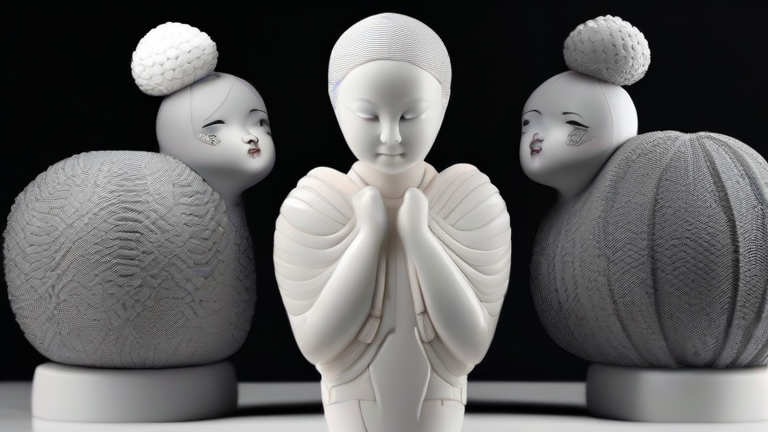
TL;DR: The best porcelain figurines and sculptures blend artistic detail with functional decor, offering everything from whimsical animal motifs to minimalist abstract forms. For unique interiors, prioritize hand-painted finishes and limited-edition pieces that elevate a shelf, mantel, or console table beyond mass-produced clutter.
Feature Highlights: What to Look For
Modern porcelain figurines have evolved far beyond Victorian shepherdesses. Today’s top pieces feature three key attributes: glaze depth (matte vs. high-gloss), sculptural balance (weighted bases for stability), and narrative expression (e.g., a fox reading a book or a dancer mid-pirouette). Brands like Lladró and Herend lead in hand-painted detailing, while emerging studios like Mudpuppy Ceramics offer raw, unglazed textures for a contemporary organic feel. For small spaces, opt for 6–8 inch pieces with intricate underglaze patterns—they catch light without overwhelming a shelf.
If you want to dig deeper, check out our guide on Premium Porcelain Figurines: Elevate Your Interior Design.
Comparisons: Classic vs. Contemporary vs. Whimsical
Classic (Lladró, Royal Copenhagen): These are investment pieces. Their matte finishes and pastel palettes suit traditional interiors, but they can feel stiff in modern lofts. Price: $150–$2,000. Contemporary (Kähler, Rosenthal): Clean lines, monochrome or bold single-color glazes, and abstract human or animal forms. They pair well with industrial decor. Price: $80–$500. Whimsical (Jonathan Adler, Demdaco): Pop-art animals, geometric humanoids, and playful motifs. These are conversation starters but can read as novelty if overused. Price: $40–$300. If you want versatility, pick one classic, one contemporary, and one whimsical piece to create a balanced vignette—avoid mixing three from the same category, which looks like a store display.
Call-to-Action: Curate Your Collection
Don’t buy figurines in matching sets—that kills the “unique” vibe. Instead, start with a single statement sculpture (e.g., a 12-inch porcelain heron in matte white) and build around it with smaller pieces in contrasting textures. Visit local artisan markets or Etsy for one-of-a-kind studio pieces, and always check the firing temperature (high-fired = more durable). For budget-friendly options, scan estate sales for vintage pieces with minor glaze flaws—those imperfections add character. Ready to transform your shelf? Pick one piece this week and intentionally place it at eye level, not hidden behind books.
FAQ
Q: How do I clean porcelain figurines without damaging the glaze?
A: Use a soft, dry microfiber cloth for dusting. For sticky spots, dip a cotton swab in lukewarm water with a drop of mild dish soap, then immediately dry with a separate cloth. Never submerge the piece or use abrasive cleaners—they strip the glaze.
Q: Are porcelain figurines safe for outdoor patio decor?
A: No, standard porcelain is porous and will crack with freeze-thaw cycles. If you must place them outside, choose “frost-proof” porcelain (often labeled) and keep them under a covered roof. Otherwise, keep figurines indoors or in a glass cabinet to preserve paint.
Q: What’s the best way to display multiple figurines without looking cluttered?
A: Group odd numbers (3 or 5) on a tray or a single shelf, varying heights using small risers or stacked books. Keep a 2-inch gap between pieces and limit the color palette to two tones—e.g., all-white with one accent hue. Avoid spreading them across multiple surfaces; focus on one “gallery” spot.
Leave a Reply