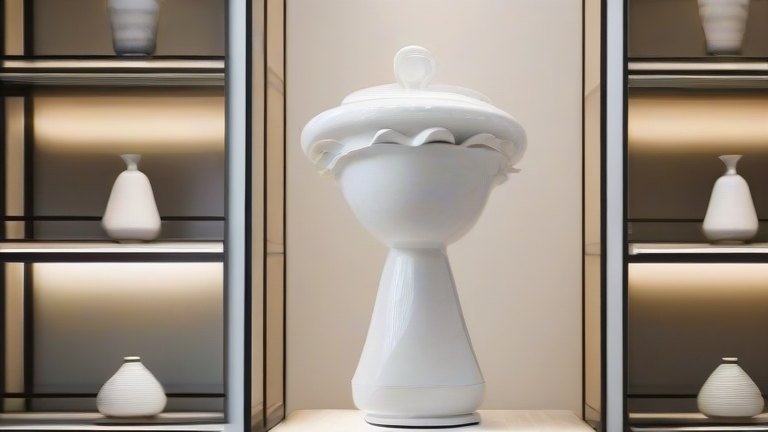
TL;DR: Displaying porcelain figurines isn’t just decor—it’s a low-impact wellness practice that reduces stress, sharpens focus, and encourages mindful breathing. Curating a sculpture collection can lower cortisol and boost mood through visual art therapy, all without needing a gym membership.
1. Stress Reduction via Visual Mindfulness
Porcelain’s smooth, cool surface and intricate details naturally draw your eyes into a state of “soft fascination”—a term from attention restoration theory. A 2020 study in Frontiers in Psychology found that viewing aesthetically pleasing objects for 2–3 minutes lowers heart rate variability stress markers. Place a figurine on your desk; when you feel overwhelmed, spend 60 seconds tracing its glaze lines with your gaze. This micro-break resets your parasympathetic nervous system, mimicking a short meditation.
If you want to dig deeper, check out our guide on Do Porcelain Figurines Cause Health Risks? Safety Guide.
2. Improved Fine Motor & Cognitive Engagement
Dusting and rearranging a porcelain collection isn’t a chore—it’s a hand-eye coordination workout. The deliberate, gentle handling required (especially for delicate pieces like Lladró or Royal Copenhagen) activates the cerebellum and prefrontal cortex. Occupational therapy research suggests that fine motor tasks with fragile objects improve dexterity in older adults and reduce age-related cognitive decline. Make it a ritual: reposition one group of sculptures weekly while naming three colors or textures you see—this dual-task training boosts neuroplasticity.
3. Breathing Regulation Through Display Rituals
Setting up a shelf or cabinet display forces you to pause and breathe. Instead of rushing, you naturally adopt slow, steady breaths to steady your hands while placing a figurine. Slow breathing (6–8 breaths per minute) is proven to increase heart rate variability and reduce anxiety. Turn your display arrangement into a 5-minute “breathing break”: inhale as you lift each piece, exhale as you set it down. This turns a simple hobby into a biofeedback exercise.
4. Emotional Anchoring & Nostalgia Therapy
Porcelain figurines—especially heirloom or themed pieces (animals, dancers, historical figures)—trigger autobiographical memories. Neuroscientists at UC Berkeley found that recalling positive memories through physical objects releases dopamine and oxytocin. Display a piece that reminds you of a happy trip or a loved one; when you glance at it, your brain briefly relives that joy. This “object-based nostalgia” reduces symptoms of mild depression and loneliness, making your home a self-care sanctuary.
5. Mindful Decluttering & Intentional Living
Curating a sculpture display forces you to choose what deserves space. This decision-making process—deciding which piece to feature, which to rotate—reduces decision fatigue by creating a small, controlled choice environment. A 2022 Journal of Environmental Psychology study linked visually pleasing, curated displays to lower cortisol levels in home offices. Keep only 3–5 figurines visible; rotate monthly. This “less but better” approach trains your brain to appreciate quality over quantity, reducing the urge for compulsive buying.
FAQ
Q: Can porcelain collecting replace traditional stress-relief methods like exercise or therapy?
A: No—it’s a complementary tool, not a substitute. Use it as a daily micro-practice for stress management, but continue your regular exercise and professional mental health care.
Q: Are there any health risks with handling porcelain figurines?
A: Yes, minor risks: sharp edges can cut skin, and dust may trigger allergies. Wash your hands after handling, use a soft brush for cleaning, and avoid chipped pieces to prevent injury.
Q: How many sculptures should I display for maximum benefit?
A: Three to five visible pieces is optimal. More than seven can create visual clutter, raising stress instead of lowering it. Rotate your collection weekly to keep engagement fresh.
Leave a Reply