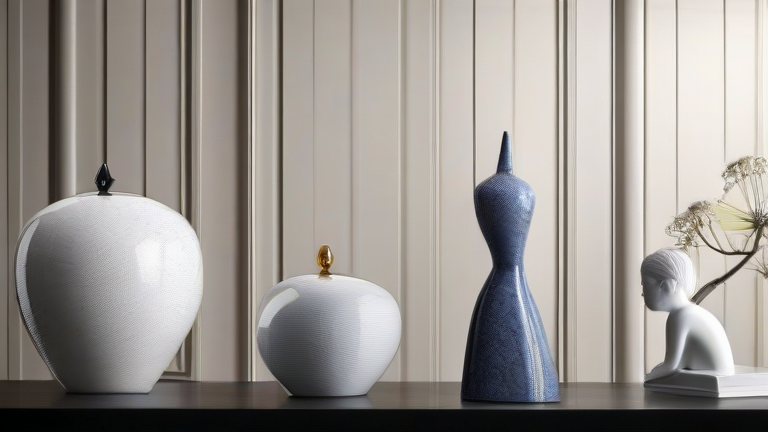
TL;DR: Porcelain figurines are more than dust collectors—they are miniature time capsules that anchor your living space in history and artistry. By curating them thoughtfully, you transform your home into a gallery that reflects personal growth, travel memories, and cultural appreciation.
The Art of Slow Decor: Why Porcelain Figurines Matter
In an era of mass-produced minimalist decor, porcelain figurines stand as a defiant tribute to craftsmanship. Each piece, whether a delicately painted shepherdess or a serene Geisha, carries the fingerprints of kiln masters who spent decades perfecting glaze and proportion. Unlike a generic wall print, a figurine demands a pause—a moment to trace the folds of a porcelain robe or the blush on a ceramic cheek. This “slow decor” philosophy aligns perfectly with the modern desire to own fewer, but more meaningful, objects. Your mantel becomes a conversation starter about French Sèvres, Japanese Kutani, or Danish Royal Copenhagen, inviting guests into a story rather than a showroom.
If you want to dig deeper, check out our guide on Health Benefits of Collecting Porcelain Figurines.
Travel, Culture, and Personal Growth in Miniature
Collecting porcelain is a quiet passport. Each figurine you acquire can represent a place you’ve visited or a culture you aspire to understand. A pair of Spanish flamenco dancers might evoke a sun-drenched evening in Seville; a blue-and-white Delft windmill recalls Dutch canals. This practice turns travel souvenirs into an educational archive. As your collection grows, so does your eye for detail—you’ll begin to notice the difference between hand-painted overglaze and underglaze, between 18th-century hard-paste and Victorian bone china. This learning curve is a form of personal growth, teaching patience and discernment. Moreover, arranging figurines forces you to edit your space, letting go of clutter to make room for pieces that truly resonate—a metaphor for curating your life’s priorities.
Practical Styling: From Shelf to Statement
To elevate your decor, avoid scattering figurines randomly. Instead, create a vignette: place three figurines of varying heights on a stack of hardcover books, or group a dozen small ones on a brass tray for a curated, collected-over-time look. Use them as bookends, or place a single dramatic piece—like a large rococo-style nymph—on a console table against a dark accent wall. Lighting matters: a small LED spotlamp can cast dramatic shadows that highlight the porcelain’s translucency. For those who travel, consider bringing home one figurine per trip, and label the underside with the date and location in permanent marker. This transforms your shelf into a personal cartography of memories, where each piece triggers a story of markets, museums, or chance antique shop finds.
FAQ
Q: How do I know if a porcelain figurine is high quality?
A: Look for crisp detailing, even glaze, and a mark on the base (like Meissen’s crossed swords or Wedgwood’s name). Hold it to the light—fine porcelain is slightly translucent. Avoid pieces with bubbles, rough seams, or wobbly bases.
Q: Can I mix modern decor with antique porcelain figurines?
A: Absolutely. The contrast is striking—pair a minimalist concrete shelf with one ornate Victorian figurine, or place a contemporary abstract sculpture next to a classic shepherdess. The key is to limit the quantity so the porcelain stands out as an intentional accent, not clutter.
Q: How should I clean and maintain porcelain figurines?
A: Dust weekly with a soft, dry brush (a makeup brush works perfectly). For deeper cleaning, use a damp microfiber cloth with mild soap—never submerge in water, as glue or paint may loosen. Keep them away from direct sunlight to prevent fading, and handle by the base to avoid chipping fragile limbs.
Leave a Reply