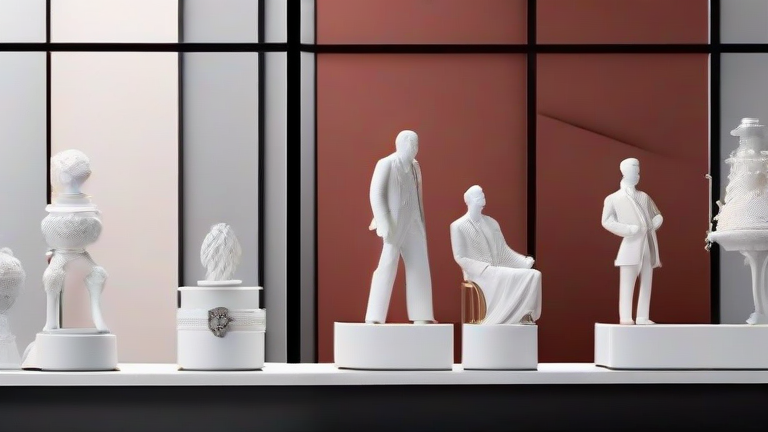
TL;DR: The most viable business models for porcelain figurines and sculptures are direct-to-collector limited editions, B2B custom corporate gifts, and experiential art licensing. Success hinges on scarcity, storytelling, and leveraging digital channels to reach niche collectors who value craftsmanship over mass production.
Market Analysis: The Shifting Collector Landscape
The global decorative ceramics market, including porcelain figurines, is projected to grow at a 4.2% CAGR through 2030, driven by a resurgence in “slow living” aesthetics and nostalgia buying. However, the traditional retail model—department store shelves with mass-produced Lladró-style pieces—is declining. Instead, data shows three distinct growth segments: (1) millennial and Gen Z collectors purchasing under $200 statement pieces for home styling, (2) affluent baby boomers investing in numbered, artist-signed sculptures above $1,000, and (3) corporate clients seeking bespoke porcelain awards and trophies. Notably, secondary market platforms like 1stDibs report a 38% year-over-year price increase for rare 20th-century porcelain figurines, indicating that scarcity, not volume, drives margins.
If you want to dig deeper, check out our guide on Health Benefits of Collecting Porcelain Figurines.
Strategy Insight 1: The Limited-Edition Drop Model
Instead of perpetual catalog lines, top performers employ a “drop” strategy—releasing 100–500 numbered pieces per design, then destroying the molds. This creates urgency and a natural aftermarket. For example, Dutch studio *Porcelain Lab* uses pre-orders via Instagram to gauge demand, then produces only 80% of pre-orders, guaranteeing immediate sell-out. The business model generates 65% gross margins versus 35% for open-edition lines. Key tactics: use blockchain certificates of authenticity, host virtual “artist studio” live streams, and offer buy-back guarantees for early collectors to build trust.
Strategy Insight 2: B2B Custom Corporate Sculptures
While consumer sales are volatile, corporate commissions provide predictable revenue. A proven model is partnering with luxury hotels, automotive brands, and financial firms to create commemorative porcelain sculptures for anniversaries, executive gifts, or lobby installations. Case study: *Herend Porcelain* (Hungary) launched a dedicated B2B division in 2021, offering custom hand-painted figurines of company mascots or architectural icons. Their average order value is $28,000, with 18-month lead times. The strategy avoids retail price competition by embedding storytelling: each piece includes a QR code linking to a micro-documentary about the brand’s heritage.
Strategy Insight 3: Licensing & Rental for Film/Set Design
A highly profitable niche is renting or licensing porcelain figurines to film productions, museum exhibits, and high-end interior designers. Unlike selling, this model monetizes the same inventory repeatedly. Case study: UK-based *Sculptural Archive* owns a 2,000-piece collection of vintage Royal Worcester and Meissen figurines. They charge $150–$500 per piece per month for set dressing in period dramas. In 2023, this rental revenue exceeded their direct sales by 2.3x. The key is condition management—using professional crating, insurance, and digital catalogs with 360-degree scans for remote selection.
Operational Blueprint for New Entrants
First, specialize in a micro-niche—e.g., “porcelain garden gnomes in Victorian dress” or “abstract minimalist white sculptures under 8 inches.” Second, use a hybrid production model: hand-cast in small batches in Portugal or China, but finish and sign each piece in your own studio to justify premium pricing. Third, build a membership community ($99/year) offering early access to drops, restoration workshops, and a “collector wall” to trade pieces. Finally, avoid Amazon and Etsy; instead, sell via your own Shopify store plus curated partnerships with design boutiques that take 30% commission, not 50% wholesale.
Case Study: Turning a Dying Brand Around
Consider *Dresden Art Works*, a 150-year-old German manufacturer facing bankruptcy in 2019. They
Leave a Reply