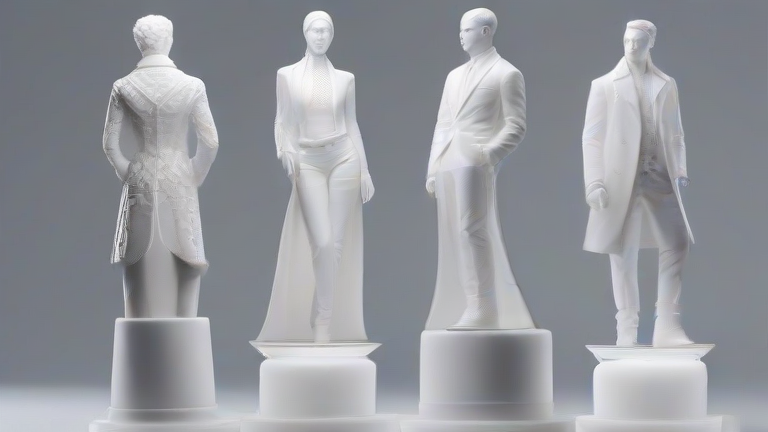
3D Printing Tech: The Future of Porcelain Figurines
TL;DR: Advanced digital ceramic fabrication is revolutionizing the creation of porcelain figurines by enabling unprecedented geometric complexity and mass personalization. This shift allows artists and manufacturers to produce intricate sculptures with higher precision and lower waste than traditional casting methods.
The intersection of additive manufacturing and ceramic artistry is undergoing a significant transformation. For centuries, porcelain figurines have been synonymous with delicate hand-sculpting, lengthy kiln firing processes, and high rates of production failure. Today, the latest developments in 3D printing technology are dismantling these barriers. By utilizing specialized digital ceramic fabrication systems, creators can now translate complex digital models directly into physical porcelain objects with remarkable fidelity. This technological leap is not merely an improvement in efficiency; it is a fundamental reimagining of how sculptural art is conceived and realized.
Latest Developments and Technical Specifications
Recent advancements focus primarily on material science and printer precision. Modern industrial ceramic printers now utilize high-purity alumina and specialized porcelain pastes that offer superior green strength. This allows for the printing of thin, delicate features without structural collapse during the drying phase. The standard resolution for these machines has improved dramatically, with layer heights now reaching as low as 0.05 millimeters. Such precision ensures that the fine details inherent in figurine design, such as hair strands, intricate drapery, and facial expressions, are captured with photorealistic accuracy. Furthermore, the integration of photopolymerization techniques in some hybrid systems allows for even finer surface finishes, reducing the need for extensive post-processing. These systems also feature automated slicing software that optimizes support structures, minimizing material waste and ensuring the internal density of the printed figurine remains consistent.
Industry Impact and Market Shifts
The impact on the art and manufacturing industries is profound. Traditional foundries are increasingly adopting 3D printing to create master molds, significantly reducing lead times from weeks to days. This capability empowers small-scale artists to compete in the mass market by offering personalized, one-of-a-kind porcelain sculptures. The industry is seeing a surge in demand for limited-edition collectibles, where the ability to produce complex, non-replicable shapes without tooling costs is a major advantage. Additionally, the reduction in material waste aligns with growing sustainability goals, as digital fabrication only uses the exact amount of porcelain paste required for the object. This economic and environmental efficiency is driving investment in high-throughput ceramic printing facilities, signaling a future where bespoke porcelain figurines are as accessible as standard manufactured goods. The barrier to entry for creating high-end ceramic art has never been lower, fostering a new era of creativity and production speed.
FAQ
Q: Can 3D printed porcelain be as durable as traditionally cast pieces?
A: Yes, when properly fired in industrial kilns, 3D printed porcelain achieves comparable structural integrity and durability, often exceeding traditional methods due to uniform density.
Q: What is the maximum size of a porcelain figurine that can be printed?
A: While standard desktop units are limited, industrial-scale ceramic printers can produce figurines ranging from small trinkets to life-sized sculptures, depending on the build volume.
Q: Does the printing process affect the final glaze finish?
A: No, the printing process creates a green body that is fired to remove organics; the surface finish is determined by the glazing and final firing, allowing for any traditional aesthetic.
Leave a Reply