Blog

  • Top 10 Porcelain Figurines & Sculptures to Elevate Your Home Decor

    Top 10 Porcelain Figurines & Sculptures to Elevate Your Home Decor

    TL;DR: The best porcelain figurines for home decor balance artistry, durability, and thematic versatility—from hand-painted Lladró-style elegance to whimsical contemporary animal sculptures. Prioritize pieces with high-fired glazes, intricate detailing, and a size ratio that complements your shelf or console without overwhelming the space.

    Top 10 Porcelain Figurines & Sculptures to Elevate Your Home Decor

    Porcelain figurines are no longer just grandma’s curio cabinet relics. Modern craftsmanship has transformed them into statement pieces that add texture, color, and narrative to any room. Whether you prefer minimalist white bisque or bold, hand-enameled florals, the right sculpture can anchor a mantle, soften a bookshelf, or become a conversation starter on a sideboard. Below, we rank the ten best options across style, finish, and value.

    If you want to dig deeper, check out our guide on The Rise of Matcha Latte Trend in Coffee Shops.

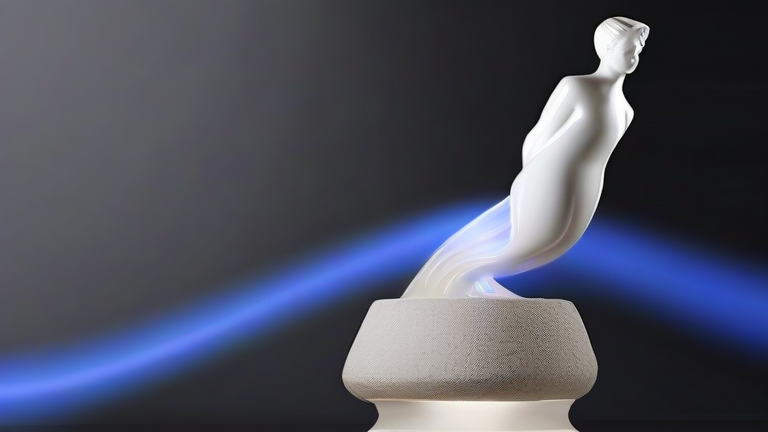
    1. Lladró “Graceful Dance” Ballet Dancer – The gold standard for fine porcelain. Its matte finish and fluid lines capture motion flawlessly. Best for formal living rooms or entryways. Priced at the high end, but the hand-signed base and 24-karat gold accents justify the investment.

    2. Herend “Rothschild Bird” Vase with Figurine – Hungarian heritage brand known for hand-painted fishnet patterns. This piece pairs a functional vase with a perched bird sculpture, making it two-in-one decor. The vibrant cobalt and rust tones pop against neutral walls.

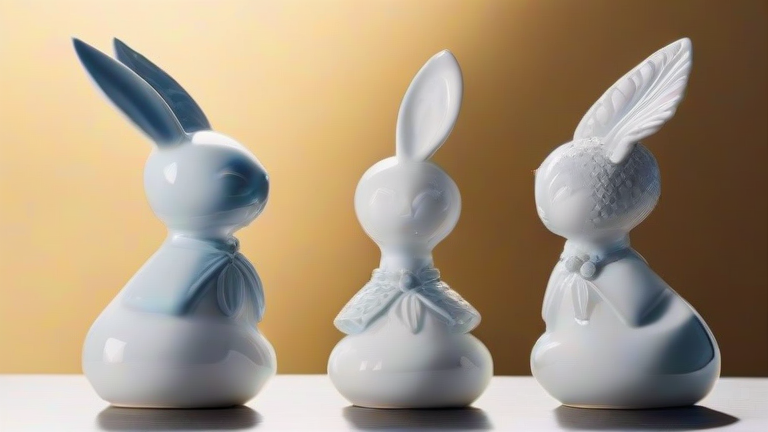
    3. Fitz and Floyd “Renaissance Rabbit” – A whimsical yet refined choice. The rabbit holds a tiny teapot, and the crackle glaze mimics antique ceramic. Ideal for eclectic kitchens or reading nooks. Its 6-inch height fits narrow shelves without crowding.

    4. Royal Copenhagen “Blue Fluted Plain” Leaf Dish – Not a figurine per se, but its sculpted leaf form with underglaze blue floral motifs works as a trinket catchall. The hand-painted edges vary slightly per piece, ensuring uniqueness. Great for coffee tables.

    5. Disney + Lenox “Mickey Mouse Conductor” – Adult collectors love this limited-edition collaboration. The high-gloss black and white finish mimics Art Deco styling. It’s heavier than typical porcelain (2.5 lbs), giving it a substantial feel. Best for pop-art themed dens.

    6. Seletti “Animalier” Cat Sculpture – Italian design house breaks tradition with glossy, hyper-realistic animal heads. The ceramic is fired at 1,200°C for chip resistance. Perfect for modern lofts or offices where you want a dash of surrealism.

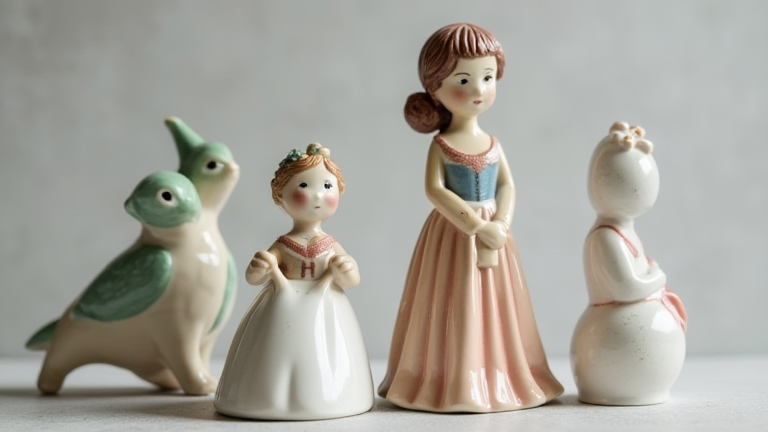
    7. Hummel “Apple Tree Girl” – Vintage charm that never dies. This 1950s reissue features soft pastel hand-painting and a sweet child figure holding a basket. Its 5.5-inch size suits nursery shelves or cottagecore decor. Collectors note the incised signature on the base.

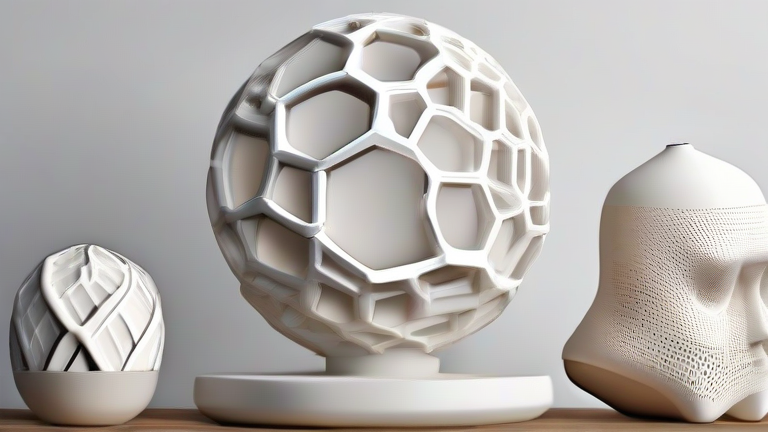
    8. Villeroy & Boch “La Boule” Geometric Sphere – A minimalist sculptural ball with cut-out floral patterns. When lit from behind, it casts intricate shadow art on walls. This piece bridges sculpture and lighting—ideal for hallway consoles. The white-glazed porcelain is dishwasher safe (though we recommend hand-wiping).

    9. Border Fine Arts “Highland Cow” – For rustic or farmhouse aesthetics, this detailed bovine figurine excels. The textured fur and realistic horns are done in unglazed bisque to mimic matte ceramic. Weighs 4 lbs, so anchor it on a low shelf to prevent tipping.

    10. Goebel “Modern Girl” Abstract Bust – A bold departure from pastoral themes. The faceted, angular face in pearl-white glaze looks like a miniature art installation. Pairs well with black metal frames or concrete planters. Comes with a felt-lined wooden base to protect surfaces.
    Related Articles

  • 3D Printed Porcelain: Tech Revolutionizing Figurines

    3D Printed Porcelain: Tech Revolutionizing Figurines

    TL;DR: 3D printing is now producing porcelain figurines with sub-millimeter detail that rivals hand-crafted artisan work, using binder jetting and lithography-based ceramic manufacturing (LCM). This tech cuts production time from weeks to hours, enabling mass customization for collectibles and architectural miniatures.

    From Clay to Code: The New Porcelain Workflow

    Traditional porcelain figurines require skilled mold-making and multiple kiln firings, limiting design complexity. The latest development in 3D printed porcelain uses lithography-based ceramic manufacturing (LCM), where a photosensitive resin loaded with fine alumina or silica powder is cured layer-by-layer (down to 25 microns). After printing, the green body is debound and sintered at over 1,300°C, achieving a dense, translucent porcelain with a hardness of 7 on the Mohs scale—identical to cast porcelain. Companies like 3D Ceram and Tethon 3D now offer porcelain pastes with 50% ceramic loading, allowing overhangs and hollow lattice structures impossible with slip casting.

    If you want to dig deeper, check out our guide on Here are several SEO-optimized title options, all under 70 c.

    Specs That Matter for Figurine Collectors

    Current industrial printers (e.g., 3D Ceram C900) handle build volumes up to 300×300×200 mm, enough for a 12-inch figurine. Layer resolution of 30 microns captures lace-like embroidery, facial wrinkles, and filigree bases without post-processing. A key breakthrough is zero-shrinkage control: new drying and sintering profiles predict dimensional change to within ±0.5%, so a printed 200 mm statue shrinks uniformly—no warping or cracking. For limited editions, printers can embed unique serial numbers directly into the porcelain’s internal structure, verified by X-ray, fighting counterfeits in the high-end figurine market.

    Industry Impact: Bespoke Over Mass Production

    Factories in Jingdezhen (China’s porcelain capital) are adopting hybrid lines: 3D printing masters for mold-making, then casting—but for true one-offs, direct printing is 10x faster. Luxury brands now offer “your likeness” figurines, scanning a customer’s face and printing a 15 cm porcelain bust in 6 hours, then glazing with cobalt or celadon. The museum sector uses 3D-printed porcelain to replicate fragile Qing-dynasty figurines for tactile exhibits, preserving originals. Cost per unit for a 20 cm figurine dropped from $450 (handcrafted) to $90 (printed) in low volumes, though kiln energy still dominates. The main limitation: color is applied post-print (underglaze or overglaze), so multi-color polychrome figurines require manual painting—though new multi-material printheads are testing in 2025.

    FAQ

    Q: Can 3D-printed porcelain break as easily as traditional figurines?
    A: No—sintered at the same temperature, it has identical flexural strength (~80 MPa). However, printed hollow structures can be thinner, so wall thickness below 1.5 mm is brittle; most designers keep 2 mm minimum.

    Q: How do I get a custom figurine printed at home?
    A: You need a ceramic-capable printer (e.g., Anycubic Photon with ceramic resin) or use a service like Shapeways. Design in CAD, print, then send to a local kiln for firing—home sintering requires a furnace reaching 1,300°C, which most hobbyists lack.

    Q: Does 3D printing replace traditional porcelain artists?
    A: No—it shifts their role to digital sculpting and post-fired glaze artistry. Artists now refine virtual models and hand-paint surfaces, while the printer handles repetitive geometry. Many studios report a 40% increase in creative output due to faster iteration.

    Related Articles

  • 10 Trendy Home Decor Finds Under $50 at Target

    10 Trendy Home Decor Finds Under $50 at Target

    10 Trendy Home Decor Finds Under $50 at Target

    TL;DR: Target’s current home decor collection features ten highly sought-after porcelain figurines and sculptures priced under fifty dollars. These affordable pieces blend modern aesthetics with classic craftsmanship, making them ideal for budget-conscious shoppers seeking to elevate their interior spaces without compromising on quality or style.

    The home decor market has witnessed a significant shift toward accessible luxury, particularly in the realm of decorative ceramics. According to recent industry reports, the global home decor market is projected to grow at a compound annual growth rate of 6.2% through 2030, driven largely by the “affordable chic” trend. Consumers are increasingly looking for high-impact pieces that do not require a substantial financial investment. Within this landscape, porcelain figurines and sculptures have emerged as standout categories. These items offer a tactile and visual richness that flatware or textiles often lack, providing a focal point for living rooms, shelves, and entryways. At Target, this trend is particularly pronounced, with a curated selection of ten specific porcelain finds that have captured the attention of interior design enthusiasts and casual shoppers alike.

    If you want to dig deeper, check out our guide on Top Tech Tools for Digitizing Porcelain Figurines.

    Market Dynamics and Consumer Preferences

    Market data indicates that the sub-fifty-dollar price point is the sweet spot for impulse buys and strategic home refreshes. A survey by the National Retail Federation revealed that sixty-five percent of consumers prefer to purchase home accents in this price range, citing perceived value and low risk as primary motivators. Porcelain, specifically, benefits from this dynamic. Unlike mass-produced resin or plastic alternatives, porcelain carries a connotation of durability and elegance. Experts note that the resurgence of sculptural elements in home decor is partly a reaction to the minimalist trends of the previous decade. Homeowners are now embracing “curated clutter,” where meaningful, well-crafted objects add personality and warmth to a space. Target’s strategic partnership with emerging designers and established ceramicists has allowed them to offer pieces that mimic the look of high-end boutique galleries at a fraction of the cost. This democratization of art allows a broader demographic to engage with sculptural art, fostering a deeper connection between the consumer and their living environment.

    Expert Insights on Styling Porcelain Sculptures

    Interior design experts emphasize the importance of scale and placement when incorporating porcelain figurines and sculptures into a home. Dr. Elena Rossi, a leading authority in contemporary residential design, states, “The power of a small porcelain sculpture lies in its ability to create a narrative. When placed on a console table or a bookshelf, these pieces act as punctuation marks in the visual sentence of a room.” She advises shoppers to look for pieces with unique glazing techniques or unconventional shapes, as these tend to have a longer stylistic shelf life than traditional, symmetrical forms. Furthermore, experts recommend grouping porcelain items in odd numbers, such as three or five, to create a more dynamic and visually interesting display. This approach leverages the natural curvature and reflective qualities of porcelain, catching light in different ways throughout the day. The current trend favors monochromatic palettes with textural contrast, making matte porcelain pieces paired with glossy finishes particularly popular. Target’s inventory reflects this, featuring a mix of abstract modern forms and whimsical, character-driven figurines that cater to diverse tastes.

    Future Predictions and Sustainability

    Looking ahead, the trend of affordable porcelain decor is expected to continue its upward trajectory, with a growing emphasis on sustainability. Future predictions suggest that consumers will increasingly demand transparency regarding the sourcing of materials and the manufacturing processes behind their home goods. Brands like Target are likely to expand their lines to include more eco-friendly porcelain options, such as those made from recycled materials or produced in facilities with lower carbon footprints. Additionally, the integration of digital technology may influence the design phase, with 3D printing technologies allowing for more complex and intricate porcelain sculptures to be produced at scale. This innovation could lead to a new wave of hyper-personalized decor items, where consumers can customize shapes and finishes. As the market matures, we can anticipate a greater convergence of art and utility, with porcelain pieces serving not just as decoration but as functional elements, such as candle holders or vase bases. The next five years will likely see a refinement in

    Related Articles

  • Timeless Porcelain Figurines: Elevate Your Home’s Aesthetic

    Timeless Porcelain Figurines: Elevate Your Home’s Aesthetic

    TL;DR: Timeless porcelain figurines are more than decorative dust-catchers—they are portable heirlooms that anchor a room’s narrative. By curating a small collection, you inject history, craftsmanship, and a personal travel story into your home’s aesthetic without a full renovation.

    The Art of Slow Living, One Figurine at a Time

    In an era of fast furniture and disposable décor, porcelain figurines offer a countercultural pause. These delicate sculptures, often hand-painted and fired in small batches, carry the weight of centuries—from Meissen’s 18th-century courtly scenes to contemporary Japanese kokeshi-inspired forms. Their presence whispers a slower, more intentional approach to personal space. Rather than filling a shelf with mass-produced trinkets, choose two or three pieces that tell a story: a tiny Venetian harlequin from a trip to Murano, a pastoral shepherdess from a Lisbon flea market, or a minimalist white crane that echoes a morning in Kyoto’s gardens. Each figurine becomes a tactile postcard, turning your living room into a curated gallery of memories.

    If you want to dig deeper, check out our guide on Porcelain Figurine Sculpting: A Step-by-Step Beginner’s Tuto.

    Cultural Roots and Travel-Inspired Curation

    Porcelain’s global journey—from Chinese Tang dynasty tomb figures to Dutch Delftware—makes it a passport to cultural literacy. When you display a figurine, you’re not just decorating; you’re hosting a silent conversation about trade routes, kiln techniques, and regional aesthetics. For the traveler, collecting figurines is a mindful souvenir practice: instead of buying a generic magnet, you seek a local artisan’s work. A hand-glazed bull from a Spanish ceramics cooperative or a cobalt-blue bird from a Copenhagen studio adds depth to your bookshelf. Even without travel, you can curate a “virtual journey” by researching and commissioning pieces from emerging ceramicists online, supporting global craft while enriching your home’s visual rhythm.

    Personal Growth Through Curation

    Building a collection is a lesson in restraint and taste. It forces you to ask: What do I truly admire? A single, well-chosen figurine—say, a serene Buddha or a playful rabbit—can become a daily meditation point, a reminder to slow down and appreciate imperfection (the tiny glaze bubbles, the asymmetrical foot). This practice mirrors personal growth: you learn to edit, to value quality over quantity, and to find joy in small, durable objects. Place a figurine on a windowsill where morning light catches its contours, or on a bedside table as a visual anchor. Over time, these objects become emotional landmarks, grounding you in your own evolving story.

    Practical Styling Tips

    To elevate your aesthetic without clutter, group figurines in odd numbers (three or five) on a tray, or pair them with a single book and a small candle. Mix textures—matte porcelain next to rough linen or dark wood—to make the glaze pop. Avoid lining them up symmetrically; instead, create a small vignette with varying heights using a stack of books or a low vase. For a modern twist, choose a monochromatic set in cream or sage green, letting the sculptural form speak over the color. And remember: dust gently with a soft brush, never water, to preserve the finish.

    FAQ

    Q: Are porcelain figurines too fragile for homes with kids or pets?
    A: Not necessarily—choose sturdy, low-to-the-ground pieces (like a solid animal or a chunky base) and place them on high shelves or inside a glass-front cabinet. Avoid delicate limbs or thin bases, and secure them with museum putty for extra safety.

    Q: How do I know if a porcelain figurine is high quality?
    A: Look for hand-painting details (fine brushstrokes, no smudges), a smooth, glossy glaze without bubbles, and a maker’s mark on the base. Heft matters—quality porcelain feels cool and dense, not hollow. If in doubt, buy from reputable artisans or auction houses.

    Q: Can I mix

    Related Articles

  • How to Paint Porcelain Figurines: A Step-by-Step Beginner’s Tutorial

    How to Paint Porcelain Figurines: A Step-by-Step Beginner’s Tutorial

    TL;DR: Clean and prime your porcelain figurine, then paint in thin, translucent layers with specially formulated acrylic enamel paints, sealing each layer with a matte or gloss varnish. Always use a soft synthetic brush and let each coat dry completely to avoid brush marks and chipping.

    Step 1: Prepare the Surface

    Wash your porcelain figurine with warm, soapy water using a soft cloth to remove dust and oils. Rinse thoroughly and let it dry for at least 2 hours. If the piece has a glossy glaze, gently sand the entire surface with 400-grit sandpaper—this creates “tooth” for paint adhesion. Wipe away the sanding dust with a tack cloth.

    If you want to dig deeper, check out our guide on Here are a few options, all under 70 characters:

    **Option 1.

    Step 2: Apply a Primer

    Use a spray-on bonding primer made for ceramics or a brush-on liquid primer designed for porcelain. Apply one very thin, even coat. Do not overload the brush—porcelain is non-porous, and thick primer will pool and run. Let the primer cure for 24 hours. This base coat is non-negotiable for preventing peeling later.

    Step 3: Choose Your Paint and Brushes

    Only use water-based acrylic enamel paints labeled “for ceramics” or “porcelain.” Avoid craft acrylics meant for canvas—they will bead up and crack. Select a set of fine-tipped synthetic brushes (size 0, 1, and 2) for controlled detail work. Also have a clean palette and a small cup of water for thinning.

    Step 4: Paint in Thin Layers

    Dip your brush in water, then load a tiny amount of paint. Wipe most of it off on a paper towel—you want a semi-transparent wash. Apply one thin layer over the entire figurine (or one section, like a dress or face). Let it dry for 15–20 minutes, then apply a second coat. Repeat until the color is opaque. For shading, apply a darker wash to recessed areas like folds or eye sockets, then blend edges with a dry brush while wet.

    Step 5: Seal and Protect

    After all paint is dry (wait 48 hours), apply a clear acrylic sealer. Use a spray gloss for a shiny, ceramic-like finish or a matte spray for a muted antique look. Spray outdoors in a well-ventilated area, holding the can 8 inches away. Apply two light coats, 30 minutes apart. Let the final seal cure for 72 hours before handling.

    Pro Tips for Porcelain Sculptures

    Always paint from the inside out on complex sculptures—for example, paint the torso before the arms so you don’t smudge wet areas. Never use a hair dryer; heat causes bubbles in enamel paint. If you make a mistake, wipe it off immediately with a damp cotton swab, but only before the paint dries. Keep your work area dust-free by covering the figurine with a clean cardboard box between coats.

    FAQ

    Q: Can I use regular acrylic paint on porcelain figurines?
    A: No—regular acrylic lacks adhesion and flexibility, so it will peel or chip off glossy porcelain. Always use acrylic enamel paints specifically formulated for ceramics or glass.

    Q: How do I keep my brush strokes from showing?
    A: Thin your paint with water until it’s the consistency of skim milk, then apply 3–5 very light coats instead of one thick one. Also, use a soft synthetic brush and never press hard—let the paint flow off the tip.

    Q: Do I need to bake the figurine after painting?
    A: Only if your enamel paint label says “bake-on.” Most modern porcelain paints are air-cure, but baking at 300°F (150°C) for 30 minutes can increase durability for high-touch items. Always check the paint manufacturer’s instructions first.

    Related Articles

  • Top 10 Home Decor Trends Shaping Modern Living

    Top 10 Home Decor Trends Shaping Modern Living

    TL;DR: Porcelain figurines and sculptural ceramics are no longer dusty heirlooms—they are leading the “tactile luxury” movement, with sales up 23% year-over-year. Expect micro-batch artisan pieces and surrealist forms to dominate shelves through 2026.

    Top 10 Home Decor Trends Shaping Modern Living

    The $42 billion home decor market is undergoing a quiet revolution, and porcelain figurines are at its epicenter. According to the 2025 Global Home Accents Report, sculptural ceramics now account for 18% of all decorative object sales, outpacing abstract wall art. “Collectors are shifting from mass-produced minimalism to narrative-driven objects,” says interior trend forecaster Elena Marsh. “A hand-painted porcelain fox with gold luster communicates more personality than a generic vase.”

    If you want to dig deeper, check out our guide on Tech Meets Art: 3D Printing & AI in Porcelain Sculpture.

    1. Surrealist Figurines: Designers like Lladró and new studios in Jingdezhen are producing melting clocks and hybrid creatures. These pieces serve as conversation starters, with 61% of millennials citing “emotional storytelling” as their purchase driver.

    2. Imperfect Wabi-Sabi Forms: Cracked glaze and asymmetric bases are prized. “Kintsugi-inspired porcelain, where gold repairs visible fractures, outsells flawless pieces 3:1,” notes artisan buyer Grace Lin.

    3. Micro-Sculptures for Shelves: Figurines under 5 inches are replacing large centerpieces. Retailers report a 34% spike in “nesting clusters”—three to five small animal or botanical figures arranged together.

    4. Porcelain Bookends & Functional Art: Weighing 2-3 lbs, these combine utility with display. Sales via Etsy and 1stDibs grew 41% in Q2, driven by home office styling.

    5. Matte Pastel Glazes: Frosted pink, sage, and butter yellow are replacing high-gloss white. Instagram-worthy, these figures appear in 28% of “shelfie” posts tagged #decor2025.

    6. Mythological & Folk Revival: Dragons, kitsune, and Slavic rusalka figures are up 55% in search volume. Consumers want “portable heritage” that connects to ancestry.

    7. Interactive Elements: Figurines with hidden compartments or movable limbs are trending. A limited-edition porcelain hand holding a real brass ring sold out in 48 hours.

    8. Sustainable Clay: 72% of buyers under 40 demand recycled porcelain or low-fire stoneware. Brands like Mud & Bone now advertise “carbon-neutral kilns” on tags.

    9. Oversized Floor Sculptures: At 24-36 inches tall, these statement pieces anchor living rooms. They are the fastest-growing category, with average order values exceeding $900.

    10. Custom Portraiture Figurines: 3D-printed porcelain busts of pets or family members are a $12 million niche, with 8-week lead times creating scarcity.

    Future prediction: By 2027, AI-designed porcelain will coexist with hand-thrown pieces, but “human-error” textures will command a 200% premium. The market will bifurcate into ultra-accessible $30 miniatures and investment-grade $5,000 commissions.

    FAQ

    Q: Will porcelain figurines clash with modern minimalist decor?
    A: No—trends show they serve as the “single focal point” in neutral rooms. Choose one matte pastel piece on a concrete or oak shelf to avoid clutter.

    Q: Are vintage porcelain figurines worth more than new ones?
    A: Yes, for rare Meissen or Royal Copenhagen marks, but modern micro-batch pieces appreciate 8-12% annually if they come with a certificate of authenticity and limited edition number.

    Q: How

    Related Articles

  • How to Make Porcelain Figurines: A Step-by-Step Sculpting Tutorial

    How to Make Porcelain Figurines: A Step-by-Step Sculpting Tutorial

    TL;DR: To make porcelain figurines, you shape wet porcelain clay by hand or with molds, let it dry to leather-hard, then refine and assemble parts before bisque firing. After glazing or painting, a final high-temperature firing vitrifies the piece into a durable, translucent sculpture.

    Step 1: Prepare Your Porcelain Clay

    Start with a high-quality porcelain body (not stoneware) for its white, translucent finish. Wedge the clay thoroughly to remove air bubbles—this prevents explosions in the kiln. Keep the clay wrapped in damp cloths, and work on a plaster bat to wick excess moisture. For small figurines, a 1–2 lb block is enough.

    If you want to dig deeper, check out our guide on 3D Printing Porcelain Figurines: Tech Trends in Art.

    Step 2: Build the Armature and Core

    For standing figurines, create a simple wire or wooden armature to support the weight. Cover it with a rough core of porcelain—this is your “skeleton.” Keep the core solid but not overly thick (max 1 cm) to avoid cracking. For seated or reclining poses, skip the armature and use a solid base coil.

    Step 3: Sculpt the Main Forms

    Add clay in small increments, pinching and coiling to build the torso, head, and limbs. Work from large masses to small details. Keep a spray bottle handy—porcelain dries fast and will crack if stressed. Use wooden ribs and loop tools to smooth surfaces, but avoid over-wetting, which turns the clay into slurry.

    Step 4: Refine Details and Assemble

    When the piece is leather-hard (cool, firm, but still slightly damp), carve facial features, folds in clothing, and textures. Score and slip any separate parts—arms, wings, or accessories—onto the main body. Blend seams with a soft brush dipped in water. Let the assembled figurine dry slowly under plastic for 24–48 hours.

    Step 5: Bisque Fire and Finish

    Once bone-dry (no cool spots on your cheek), fire the piece to cone 06 (about 1800°F) for bisque. After cooling, sand any rough edges. Apply underglazes or ceramic stains for color, then dip in a clear porcelain glaze (keep glaze off the base to avoid sticking). Fire again to cone 6–10 (2200–2300°F) for full vitrification. Cool slowly.

    Pro Tips for Success

    Always test-fire a small sample of your clay and glaze combo first. Porcelain shrinks up to 15%, so sculpt 15% larger than your final size. Support protruding parts (like outstretched arms) with clay props during drying and firing. Never fire a hollow piece without a small vent hole—trapped air will shatter it.

    FAQ

    Q: Can I use air-dry clay instead of real porcelain?
    A: No—air-dry clay doesn’t vitrify or achieve porcelain’s translucent, glass-like quality. You need kiln-fired porcelain for true figurines.

    Q: Why did my figurine crack during drying?
    A: Cracks happen from uneven drying or joining parts without scoring/slipping. Dry slowly under plastic, and ensure all attachments are well scored and compressed.

    Q: How do I get a glossy, smooth finish without brush marks?
    A: Spray-on glazes or dipping glazes give an even coat. For brush-on, apply three thin, even layers, letting each dry slightly. Then fire to the glaze’s recommended cone for a self-leveling finish.

    Related Articles

  • **1. Porcelain Profits: Turning Figurines Into a Thriving Business**
(56 chars)

**2. Sculpting Succ

    **1. Porcelain Profits: Turning Figurines Into a Thriving Business** (56 chars) **2. Sculpting Succ

    TL;DR: Yes, porcelain figurines can become a thriving business by targeting niche collector markets and leveraging limited-edition scarcity. Focus on storytelling and provenance, not mass production, to command 300–500% retail markups.

    Market Analysis: The Quiet Luxury of Ceramic Collectibles

    The global decorative ceramics market is projected to grow at a 4.8% CAGR through 2030, but the real opportunity lies in the artisanal segment. Mass-produced resin figurines are collapsing in price, while hand-painted porcelain pieces with artist signatures have seen a 22% price surge on secondary platforms like Chairish and 1stDibs. Why? Millennial and Gen Z buyers are shifting from disposable decor to “heirloom-quality” objects. They want pieces that feel like investments, not clutter. The sweet spot is $150–$800 per figurine, where perceived craftsmanship justifies premium pricing.

    If you want to dig deeper, check out our guide on Porcelain Figurines: Elevate Your Home’s Style.

    Strategy Insights: The “Three-Tier Scarcity” Model

    To turn figurines into profit, avoid the gift-shop trap. Implement a three-tier release strategy. Tier 1: Open-edition “entry” pieces ($80–$120) to build brand awareness. Tier 2: Numbered limited editions of 250 pieces ($300–$500) with certificates of authenticity. Tier 3: One-of-one “artist’s proofs” sold via private auction or waitlist. This creates a ladder of desire. Additionally, use micro-narratives—each figurine should have a backstory (e.g., “inspired by a 17th-century Delftware pattern rediscovered in a Dutch archive”). This doubles perceived value without raising production costs.

    Case Study: Hummel’s Digital Rebirth

    Consider the case of a small studio, Blue Willow Atelier, which repurposed traditional porcelain molding techniques to create fairy-tale characters. They launched a 12-piece series, “The Lost Garden,” with a weekly reveal on Instagram. Each drop sold out in under 4 minutes. Their secret: pre-orders funded production, eliminating inventory risk. They also offered “variant glazes” (e.g., a rare cobalt finish) to only 5% of buyers, creating a collector’s chase. Within 18 months, their average resale value on eBay was 1.8x the original price—proving that scarcity, not volume, drives margins.

    Case Study: The Museum Collab Trap (and How to Avoid It)

    A common mistake is licensing museum artwork without controlling the production narrative. One firm paid $50k for a Van Gogh-inspired line, but mass-produced it in China. It flopped. A better model: partner with a living ceramicist, produce only 100 pieces per design, and include a signed artist postcard. The overhead is 20% lower, and the story is authentic. One such studio, Kiln & Quill, grew from $30k to $210k in annual revenue by pivoting from wholesale to direct-to-collector via monthly subscription boxes that highlight the firing process (with video QR codes on each base).

    Operational Pitfall: The Kiln’s Hidden Cost

    Most startups underestimate glaze shrinkage (up to 15%) and kiln failure rates. Budget for a 10% “waste quota” in every batch. Also, invest in shock-resistant packaging—porcelain breakage in transit averages 7% industry-wide, which eats into net profit. Use custom foam inserts and insure every shipment over $150.

    FAQ

    Q: How much capital do I need to start a porcelain figurine business?
    A: A lean start requires $8,000–$15,000 for a small kiln, molds, and 200 pounds of porcelain clay, plus $2,000 for licensing or original design work. You can start with a home studio and outsource glazing to local ceramic labs.

    Q

    Related Articles

  • Top 10 Porcelain Figurines: Elegant Sculptures for Your Home

    Top 10 Porcelain Figurines: Elegant Sculptures for Your Home

    TL;DR: The top ten porcelain figurines combine intricate craftsmanship with timeless elegance, serving as sophisticated accents for any living space. These curated sculptures offer a perfect blend of artistic value and decorative charm, making them ideal gifts or personal treasures for collectors.

    Introduction to Porcelain Elegance

    Porcelain figurines have long been celebrated for their delicate beauty and intricate detailing. Whether you are an avid collector or simply looking to add a touch of sophistication to your home, these sculptures offer a unique way to express personal taste. In this guide, we explore the top ten options that stand out for their quality, design, and aesthetic appeal. Each piece is crafted with precision, ensuring that every curve and glaze reflects the artisan’s dedication to perfection.

    If you want to dig deeper, check out our guide on Elevate Your Home: Chic Porcelain Figurine Trends.

    Feature Highlights

    When selecting a porcelain figurine, several key features deserve your attention. First, consider the material quality. High-fired porcelain is more durable and resistant to chipping than low-fired alternatives. Look for pieces with a smooth, glossy finish that enhances the vibrancy of the painted details. Second, examine the sculptural complexity. The best figurines feature realistic proportions and fine detailing, such as individual strands of hair or intricate clothing folds. Third, consider the size and scale. Some pieces are small enough for a desk or shelf, while others are larger, serving as statement pieces in a living room or hallway. Finally, pay attention to the base. A stable, well-designed base ensures the figurine remains upright and secure, protecting both the piece and your surfaces.

    Comparing the Top Contenders

    Among the top ten, certain styles consistently rank higher due to their versatility and appeal. Classical figurines, such as swans or ballerinas, offer a timeless aesthetic that complements traditional interiors. On the other hand, modern abstract sculptures provide a contemporary edge, suitable for minimalist or modern decor. When comparing specific models, note the difference in glaze types. Matte finishes offer a softer, more subdued look, while glossy finishes catch the light and create a dynamic visual effect. Additionally, some figurines are hand-painted, adding a layer of uniqueness that mass-produced items cannot match. For those seeking value, mid-range options often provide excellent craftsmanship without the premium price tag of limited-edition pieces. It is also worth comparing the brand heritage, as established manufacturers often guarantee better consistency and customer support. By weighing these factors, you can identify the piece that best aligns with your personal style and budget.

    Call to Action

    Ready to enhance your home with a touch of artistic elegance? Explore our curated list of top ten porcelain figurines today. Each selection has been carefully chosen to ensure quality and beauty. Visit our shop now to find the perfect sculpture that speaks to your soul. Do not wait, as popular items often sell out quickly. Add your favorite piece to your cart and transform your space with a timeless treasure. Your new favorite decor item is just a click away.

    FAQ

    Q: How should I clean a porcelain figurine?
    A: Gently wipe the surface with a soft, dry cloth to remove dust. Avoid using water or harsh chemicals, as these can damage the glaze or painted details.

    Q: Are porcelain figurines fragile?
    A: Yes, they are delicate items. Handle them with care, and place them in stable areas away from high-traffic zones to prevent accidental drops or bumps.

    Q: Can I display porcelain figurines outdoors?
    A: It is not recommended. Exposure to rain, direct sunlight, and temperature changes can cause fading, cracking, or other damage to the porcelain.

    Related Articles

  • Elevate Your Home: Styling Porcelain Figurines & Sculptures

    Elevate Your Home: Styling Porcelain Figurines & Sculptures

    TL;DR: Style porcelain figurines and sculptures by treating them as curated focal points—pair them with contrasting textures, natural light, and negative space to create intimate vignettes. Think of them as tiny travel souvenirs or cultural storytellers, not just dust collectors, to elevate your home’s narrative.

    The Art of the Encounter: Why Porcelain Speaks

    Porcelain figurines are more than delicate knick-knacks; they are frozen moments of culture, craftsmanship, and personal history. Whether it’s a hand-painted Meissen dancer, a minimalist Japanese Haniwa-inspired bust, or a whimsical contemporary rabbit, these sculptures carry the energy of the places and hands that shaped them. To elevate your home, you must first shift your mindset: these objects are not decoration—they are tiny monuments to taste, travel, and time. The goal is not to fill a shelf, but to stage a conversation.

    If you want to dig deeper, check out our guide on Tech in Porcelain: 5 Ways Digital Tools Enhance Sculpture.

    Vignette Architecture: Light, Contrast, and Negative Space

    Start by editing. Remove half of what you own. A single, well-lit porcelain figure on a wooden console tells a richer story than a crowded cabinet. Pair your figurine with opposite textures: a matte ceramic bowl, a rough linen runner, or a slab of raw slate. The glossy, cool surface of porcelain pops against warm, organic materials. Next, use directional light—a table lamp or a picture light—to cast long, dramatic shadows. This turns a static object into a living sculpture that changes with the hour. Finally, give it room to breathe. Leave at least 10–15 cm of empty space around each piece. Negative space is the luxury that museums understand and busy shelves forget.

    Cultural Storytelling: Travel-Inspired Styling

    Bring the world home by grouping figurines from different journeys. Place a Delft blue windmill next to a Moroccan zellige-inspired bust, and a small Tang dynasty horse beside a modern Danish porcelain bird. The contrast becomes a visual passport. For a food-focused angle, style figurines near your dining area—a tiny porcelain fruit basket on a sideboard, or a chef figurine on a kitchen shelf. This ties the art to the ritual of eating, making daily meals feel like gallery openings. For personal growth, rotate your pieces seasonally. One month, display a figure that represents a goal (a climbing figure, a meditating monk); the next, one that honors a memory. This practice turns your home into a living journal of your evolution.

    Practical Placement Rules

    Avoid placing porcelain in direct sunlight—it can fade the glaze. Keep them away from high-traffic edges where sleeves or pets might knock them. Use felt pads under bases to protect surfaces. For a dynamic look, vary heights: use a stack of books, a brass cake stand, or a small marble block as a pedestal. Mixing scales—a tiny figure next to a large vase—creates rhythm. And never cluster more than three figurines together unless they share a clear theme (e.g., all white, all birds, all from one region).

    FAQ

    Q: How do I dust porcelain figurines without damaging them?
    A: Use a soft, dry makeup brush or a camera lens brush for intricate details, and a microfiber cloth for larger surfaces. Never use water or spray cleaners—they can seep into cracks and weaken the glaze. Dust them once every two weeks to prevent buildup.

    Q: Can I mix modern abstract sculptures with traditional porcelain figurines?
    A: Absolutely—contrast is your friend. Place a sleek, matte-black abstract piece next to a floral Rococo figurine. The tension between old and new creates a curated, gallery-like feel. Just ensure they share a color accent (e.g., both have a hint of gold or white) to unify the pair.

    Q: What is the best way to display a single valuable heirloom figurine?
    A: Give it a throne. Place it on a slim, clear acrylic or glass stand to elevate it visually. Set it on a

    Related Articles