Blog

  • Timeless Chic: How Porcelain Sculptures Elevate Your Home Decor

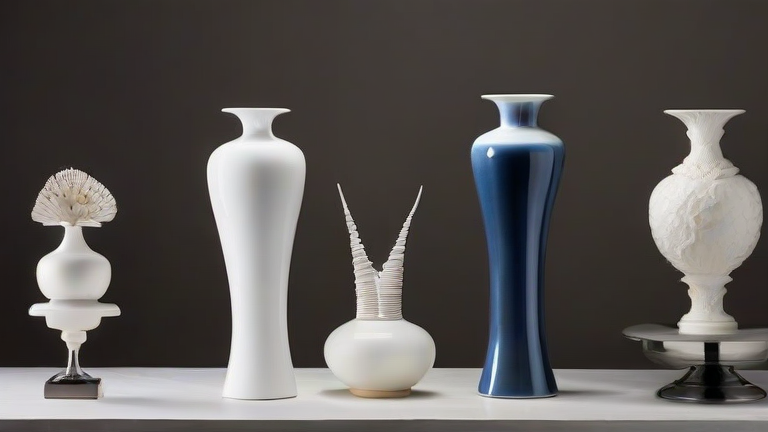
    Timeless Chic: How Porcelain Sculptures Elevate Your Home Decor

    TL;DR: Porcelain sculptures bring a gallery-like serenity and tactile warmth to any room, acting as timeless focal points that bridge art and daily living. Their handcrafted imperfections and glossy finishes invite slow appreciation, making them the ultimate statement piece for a curated, mindful home.

    The Art of Slow Living, Frozen in Clay

    In an era of mass-produced decor and fleeting trends, porcelain sculptures offer a counter-narrative—one rooted in patience, craftsmanship, and cultural heritage. Unlike a throw pillow or a scented candle, a porcelain figurine demands your attention. It doesn’t just fill space; it creates a pause. Whether you place a delicate white heron on your entryway console or a blush-toned dancer on your bookshelf, these objects become quiet anchors that ground your space in intentionality.

    If you want to dig deeper, check out our guide on How Porcelain Figurines Boost Mental Health & Home Wellness.

    Travel often inspires our most cherished decor. Instead of buying a fridge magnet, why not bring home a porcelain piece from a local artisan? In Portugal, cobalt-blue tile-inspired figurines echo the country’s azulejo tradition. In Japan, minimalist porcelain tea sets and animal sculptures reflect wabi-sabi—the beauty of imperfection. Each piece carries a story, a kiln’s heat, and a maker’s breath. This transforms your home into a personal museum, where every shelf whispers of a journey or a moment of self-growth.

    Styling for Timeless Elegance

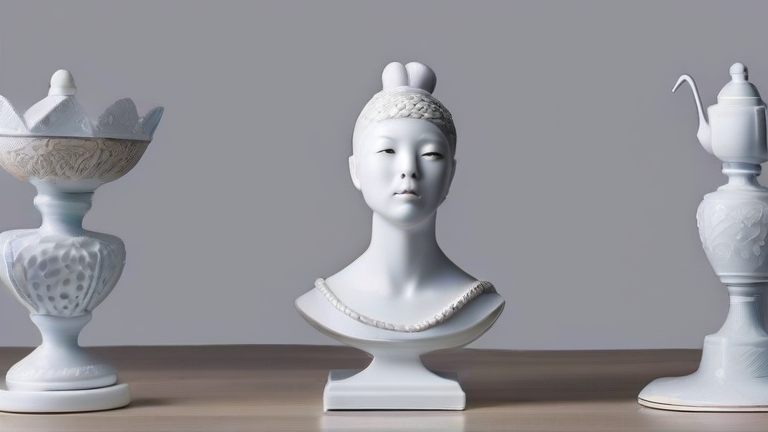
    To elevate your decor, think of porcelain as jewelry for your interiors. A single, sculptural bust on a marble side table creates instant sophistication. Group three small figurines in varying heights—a deer, a blooming flower, an abstract sphere—on a wooden tray for a curated vignette. Avoid clutter; let each piece breathe. The glossy glaze reflects light, making rooms feel larger and more airy, while matte finishes add a modern, tactile contrast to velvet or linen textures.

    For the personal growth angle, curating a collection teaches patience. You wait for the right piece, not the fastest. You learn to appreciate asymmetry and glaze drips as signatures of humanity. This practice mirrors how we evolve: slowly, with layers of experience, yet always beautiful in our imperfections. Pair porcelain with natural elements—dried pampas grass, raw wood, or linen—to create a space that feels both elevated and grounded.

    FAQ

    Q: How do I clean and maintain porcelain sculptures without damaging them?
    A: Use a soft, dry microfiber cloth to dust weekly. For stubborn spots, lightly dampen the cloth with distilled water and gently wipe—never submerge or use harsh chemicals, as they can dull the glaze or loosen hand-painted details.

    Q: Can porcelain figurines work in a modern, minimalist home, or are they only for traditional decor?
    A: Absolutely they work in modern spaces. Choose abstract or single-color pieces with clean lines, and display them on floating shelves or concrete surfaces. The contrast of delicate porcelain against raw, industrial materials creates a striking, contemporary look.

    Q: Are handmade porcelain sculptures worth the higher price compared to mass-produced ones?
    A: Yes, because handmade pieces carry unique glaze variations, slight asymmetries, and the artisan’s personal touch—making each one a one-of-a-kind investment. They also support traditional craft communities and often appreciate in aesthetic value over time, unlike factory-made replicas.
    Related Articles

  • Porcelain Figurines & Sculptures: Timeless Collectibles

    Porcelain Figurines & Sculptures: Timeless Collectibles

    TL;DR: Porcelain figurines and sculptures are enduring art forms that blend delicate craftsmanship with lasting value, making them ideal for collectors and decorators alike. This review highlights their key features, compares them to resin and glass alternatives, and explains why they remain a superior investment for aesthetic and sentimental worth.

    Feature Highlights: Why Porcelain Stands Alone

    Porcelain figurines are celebrated for their fine, translucent body, which allows for intricate detailing that other materials simply cannot match. High-fire porcelain (fired at 1,200–1,400°C) produces a dense, non-porous surface that resists chipping, fading, and moisture damage. Artisans often hand-paint each piece with underglaze or overglaze enamels, creating depth of color—from blush pinks on floral sculptures to rich gold accents on royal-themed figures. The hallmark of premium porcelain is its “ring” when tapped; a clear, bell-like tone indicates proper vitrification, ensuring decades of durability.

    If you want to dig deeper, check out our guide on Does Collecting Porcelain Figurines Boost Mental Health?.

    Another standout feature is the sheer range of styles. From whimsical Hummel-style children to elegant Lladró swans, modern sculptors also push boundaries with abstract forms and matte finishes. Many pieces include hand-numbered editions or artist signatures, which elevate their collectible status. Unlike mass-produced resin ornaments, porcelain retains a cool, smooth texture that feels substantial and luxurious in hand—a sensory experience that collectors prize.

    Porcelain vs. Resin and Glass: A Comparative Review

    When comparing materials, porcelain outperforms resin in longevity. Resin figurines are lighter and cheaper, but they yellow over time, are prone to warping in heat, and often feature molded seams. Glass sculptures, such as crystal or art glass, offer brilliance but are fragile and can scratch easily, losing their luster. Porcelain, by contrast, offers a middle ground: it is more robust than glass yet more refined than resin. For example, a porcelain ballerina sculpture holds fine finger positions and tutu pleats that resin versions blur, while glass versions would require thick supports to avoid breakage.

    Price-wise, porcelain sits higher than resin but lower than hand-blown glass. A mid-tier porcelain figurine (8–10 inches) typically costs $80–$250, whereas comparable glass art starts at $300. The value proposition is clear: porcelain offers museum-quality detail at a more accessible price point, and its resale market remains strong. Vintage brands like Royal Copenhagen or Meissen often appreciate 5–10% annually, a claim resin cannot make.

    Why You Should Invest in Porcelain Today

    Beyond aesthetics, porcelain figurines serve as heirloom pieces that bridge generations. They require minimal care—just dust with a soft brush and avoid direct sunlight to prevent pigment fading. Whether you are starting a shelf collection or seeking a statement centerpiece, the tactile beauty and historical craft of porcelain offer unmatched satisfaction. Plus, limited-edition releases from contemporary studios like Seaway or Border Fine Arts ensure you can own a unique piece that won’t be replicated.

    Call-to-Action

    Ready to elevate your home or gift a timeless treasure? Browse our curated selection of hand-finished porcelain figurines, from classic florals to modern minimalist sculptures. With free shipping on orders over $75 and a 30-day return policy, there’s no risk—only reward. Click “Shop Now” to find your next conversation piece, or subscribe to our newsletter for early access to artist-dropped limited editions.

    FAQ

    Q: How do I clean a porcelain figurine without damaging the glaze?
    A: Use a soft, dry microfiber cloth or a fine sable brush to gently remove dust. For stubborn spots, lightly dampen the cloth with distilled water—never use soap or chemical cleaners, as they can strip the glaze. Avoid submerging the piece in water.

    Q: Are all porcelain figurines marked with a brand or signature?
    A: No, but reputable makers stamp their logo, artist initials, or edition numbers on the base. If unmarked,

    Related Articles

  • How to Make Porcelain Figurines: Beginner Sculpture Tutorial

    How to Make Porcelain Figurines: Beginner Sculpture Tutorial

    TL;DR: To make porcelain figurines, condition your clay, build a simple armature, and sculpt in small additive layers, letting each dry slightly before adding the next. Then, bisque-fire, glaze, and high-fire your piece in a kiln to achieve the translucent, delicate finish that defines true porcelain.

    Materials You’ll Need

    Before you begin, gather porcelain clay (not stoneware—it’s whiter and more translucent), a needle tool, a small sponge, a wire cutter, a rolling pin, and a simple armature made of aluminum wire or a wooden dowel. You’ll also need a kiln capable of reaching cone 6–10, plus underglazes or clear glaze. Work on a plaster bat or canvas to absorb excess moisture from the clay.

    If you want to dig deeper, check out our guide on Porcelain Figurines: Top Business Tips for Sculpture Brands.

    Step 1: Condition and Wedge the Clay

    Porcelain is finicky—it’s less forgiving than earthenware and dries faster. Cut your clay block with a wire cutter, then wedge it thoroughly for at least 10 minutes to remove air bubbles. If the clay feels too stiff, mist it with water and wrap it in plastic for an hour. Test a small ball: it should hold a fingerprint without cracking at the edges.

    Step 2: Build a Simple Armature

    For a beginner figurine (like a sitting cat or a small dancer), twist a piece of aluminum wire into a basic humanoid or animal shape—head, torso, limbs. Cover the wire with a thin layer of newspaper or masking tape to prevent the clay from slipping. Do not make the armature too thick; porcelain shrinks 12–15% during firing, so the wire must be removable or thin enough to burn out safely.

    Step 3: Add Clay in Layers, Not Blobs

    Roll small coils (about 1 cm thick) and press them onto the armature, starting from the core outward. Work in sections: torso first, then limbs, then head. Use your needle tool to score and slip each new piece onto the previous layer—this prevents separation cracks. Keep a damp sponge nearby to smooth seams, but do not over-wet the surface, or the clay will slump.

    Step 4: Sculpt Details While Leather-Hard

    Wait until the figurine is leather-hard (firm but still cool to the touch—about 2–4 hours depending on humidity). Now carve facial features, folds in clothing, or fur texture using the needle tool. For delicate parts like fingers or ears, attach them as separate small pieces with slip, then blend with a soft brush. Avoid sharp edges; they’ll melt or chip in the kiln.

    Step 5: Dry Slowly and Bisque Fire

    Let the finished figurine dry under a loose plastic sheet for 5–7 days. If it dries too fast, it will warp. Once bone-dry (no cool spots on your cheek), bisque fire to cone 04 (about 1940°F). This makes the piece porous for glazing but not yet vitrified.

    Step 6: Glaze and High Fire

    Apply underglazes for color, then a clear or matte glaze. Wipe the bottom of the figurine clean to prevent sticking to the kiln shelf. High fire to cone 6 (about 2232°F) for translucent porcelain. Cool slowly—opening the kiln too early causes dunting (cracks).

    Tips for Success

    Keep a spray bottle of water nearby, but mist from a distance. Use a heat gun on low if the clay becomes too soft. Always fire a test tile with your glaze to check for crazing. And remember: porcelain is unforgiving, so if a part breaks while green, reattach it with slip and re-dry—do not force it.

    FAQ

    Q: Can I skip the armature for small figurines?
    A: Yes,

    Related Articles

  • How to Make Porcelain Figurines: A Beginner’s Sculpture Tutorial

    TL;DR: To make porcelain figurines, you shape wet porcelain clay by hand or with molds, let it dry to leather-hard, refine details, then bisque-fire and glaze-fire it in a kiln. Master the basics of pinching, scoring, and slip attachment to build durable, expressive sculptures.

    Materials and Workspace Setup

    Before touching clay, gather: porcelain clay (cone 6 or 10), a needle tool, a small sponge, a wooden modeling tool, a rolling pin, a wire cutter, a spray bottle, and a container of slip (porcelain clay mixed with water to a yogurt consistency). Cover your work surface with canvas or newsprint. Porcelain is finicky—it dries fast and warps easily—so keep a damp cloth over unused clay and work in a cool, draft-free room. Wear an apron and keep a bucket of water nearby for cleaning tools.

    If you want to dig deeper, check out our guide on Tech Meets Porcelain: 3D Printing & Digital Sculptures.

    Step 1: Form the Base and Core Shapes

    Start with a simple figure: a seated human or animal. Roll a 2-inch ball of porcelain into a thick teardrop for the torso. Pinch the narrow end upward to form a neck. For the head, roll a separate 1-inch ball and press a thumb into the bottom to make a shallow socket. Score the top of the neck and the socket with your needle tool, brush on slip, and press the head onto the torso. Twist gently to lock the joint. For arms, roll two thin coils; score and slip them onto the shoulders, bending them into natural poses. Let the piece sit for 20 minutes until it’s firm but still pliable.

    Step 2: Refine Details While Leather-Hard

    When the clay is leather-hard (cool, stiff, and no longer shiny), use your modeling tool to carve facial features, fingers, folds in clothing, or fur texture. Press the sponge lightly to smooth seams. To add separate parts like a hat or a basket, score and slip them on, then blend the edges with your finger dipped in water. Avoid overworking—porcelain becomes sticky and collapses if you add too much water. Work from the bottom up to prevent the figurine from toppling.

    Step 3: Dry and Bisque Fire

    Dry the figurine slowly for 3–5 days under loose plastic wrap, turning it once daily. When it is bone-dry (no coolness on your cheek), load it into a kiln and bisque fire to cone 06 (around 1830°F). This hardens the clay into a porous, chalky state. Let the kiln cool completely before handling—porcelain is brittle at this stage.

    Step 4: Glaze and Final Fire

    Apply 2–3 thin coats of glaze with a brush, leaving the bottom unglazed to prevent sticking to the kiln shelf. Use underglaze paints for fine details like eyes or floral patterns before a clear glaze coat. Fire again to cone 6 (around 2232°F) for vitrification—this makes the porcelain translucent and durable. Cool slowly over 12 hours to prevent cracking.

    Pro Tips for Success

    Keep a spray bottle of water to mist the clay if it dries too fast. Support tall figurines with a wooden dowel during drying. Always test glazes on a scrap tile—porcelain’s white body makes colors pop differently than on stoneware. And never rush: a crack that appears during drying cannot be fixed—recycle the clay and start over.

    FAQ

    Q: Can I use air-dry clay instead of real porcelain?
    A: No—air-dry clay won’t vitrify or become translucent, and it cannot be fired in a kiln. For true porcelain figurines, you must use ceramic porcelain clay and high-temperature firing.

    Q: Why did my figurine crack during drying?
    A: Cracks usually occur from uneven drying—thick parts shrink slower than thin parts. Dry under plastic

    Related Articles

  • Porcelain Figurines: Elevate Your Home With Timeless Sculpture

    TL;DR: Porcelain figurines are more than decorative dust collectors—they are miniature time capsules that anchor a room in history, artistry, and personal narrative. By curating these sculptures with intention, you transform your home into a gallery that reflects your travels, cultural curiosities, and evolving taste.

    The Art of Slow Living, One Figurine at a Time

    In an era of mass-produced minimalist decor, porcelain figurines feel like a quiet rebellion. They demand patience—not just in their fragile handling, but in their creation. Each piece, from a delicate Meissen ballerina to a rustic Japanese okimono, carries the fingerprint of a kiln master who spent hours shaping clay into emotion. When you place a porcelain sculpture on your shelf, you are not filling space; you are inviting a conversation across centuries. Unlike a printed canvas or a plastic plant, a figurine possesses weight, texture, and a subtle glow that changes with the afternoon light. It asks you to slow down, to notice the glaze’s crackle, the fold of a porcelain robe, the tiny hand-painted rose on a shepherdess’s bonnet.

    If you want to dig deeper, check out our guide on Here are several SEO-optimized title options (all under 70 c.

    Travel Souvenirs That Tell Deeper Stories

    For the traveler, porcelain figurines are the ultimate cultural artifact—far more evocative than a fridge magnet. Imagine a hand-painted Delft blue windmill from the Netherlands, a chubby Lladró cherub from Spain, or a stark white Danish Flora Danica plate that recalls a Copenhagen café. Each figurine becomes a tactile memory: the weight of it in your palm, the dust of a foreign antique shop, the vendor’s story about its origin. When you group these sculptures on a sideboard, you create a personal cartography. A friend might ask, “Where did you find that?”—and suddenly, you are telling a story about a rainy afternoon in a Lisbon flea market, not just showing a trinket. This is the travel angle: your home becomes a living travelogue, where each figurine is a chapter, and the arrangement is your narrative arc.

    Personal Growth Through Curated Curation

    Collecting porcelain figurines is also an exercise in self-knowledge. Unlike fast decor, you cannot buy everything at once. You must develop an eye—learning to spot a genuine 18th-century Sèvres from a 20th-century reproduction, or to appreciate the asymmetry of a Japanese kutani ware. This process teaches restraint and discernment. You begin to ask: What speaks to my soul? Is it the whimsy of a court jester, the serenity of a Buddhist arhat, or the elegance of a dancing nymph? As your collection grows, so does your confidence. You learn to mix high and low, pairing a flea-market find with a gallery-quality piece without apology. This is personal growth in its purest form: the act of choosing, rejecting, and living with your choices. A shelf of figurines is a mirror—it shows not just what you own, but who you are becoming.

    Practical Styling for Modern Spaces

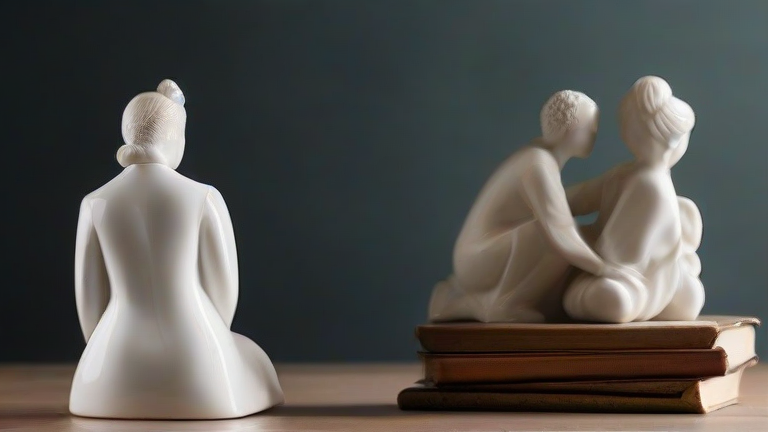
    You might worry that porcelain figurines feel old-fashioned. The secret is styling. Avoid cluttered curio cabinets; instead, place a single dramatic figurine on a floating shelf against a deep-colored wall. Group three small pieces on a stack of vintage books. Use a figurine as a bookend, or place one on a windowsill where the backlight turns it into a silhouette. Mix materials—a porcelain horse next to a brass candleholder, or a porcelain fruit bowl beside a rough stone vase. The contrast makes the sculpture pop. And for those who travel, consider a “memory shelf” where each figurine is paired with a small artifact—a ticket stub, a dried flower—creating a mixed-media installation that is entirely yours.

    Care and Longevity

    Porcelain is durable but brittle. Dust gently with a soft brush, never submerge in water if it has gold or luster details. Keep them away from direct sunlight to prevent glaze fading. When moving, wrap each piece in acid-free tissue. But more importantly, use them. Let a figurine hold your

    Related Articles

  • Porcelain Figurines: Elevate Your Home with Timeless Style

    Porcelain Figurines: Elevate Your Home with Timeless Style

    TL;DR: Porcelain figurines are more than dust catchers—they are miniature storytellers that anchor a room in history and personal meaning. By curating them with intention, you transform your living space into a gallery of quiet luxury that reflects your travels, heritage, and evolving taste.

    The Art of Slow Living, in Miniature

    In an age of disposable décor and mass-produced wall art, the porcelain figurine stands as a defiant relic of patience. Each piece—whether a delicate Meissen shepherdess, a whimsical Lladró dancer, or a hand-painted Japanese netsuke-inspired sculpture—requires days of kiln firing, hand-painting, and glaze layering. To display one is to invite a slower rhythm into your home. It whispers: I value craft over convenience. Place a single figurine on a windowsill where morning light catches its glaze, and you’ll notice how it changes the room’s energy. It becomes a meditation point, a physical anchor for mindfulness—much like a well-traveled souvenir, but one that never fades or breaks apart in your suitcase.

    If you want to dig deeper, check out our guide on Porcelain Figurines: Health Benefits, Safety, and Care.

    Travel Memories, Cast in Clay

    For the culturally curious, porcelain figurines are the ultimate travel memoir. Instead of buying a fridge magnet from Lisbon, invest in a small Bordallo Pinheiro cabbage-leaf dish or a hand-painted azulejo-style figurine. From the cobalt-blue Delftware of the Netherlands to the vibrant, folk-art figures of Oaxaca, each region’s porcelain tells a story of local myth, flora, and fashion. Arrange them on a floating shelf as a “tactile passport.” When guests ask about the tiny porcelain fisherman with a striped sweater, you’ll recount your trip to Brittany—not just the logistics, but the smell of sea salt and the old woman who sold it from a stall. This transforms your home into a conversational museum, where every sculpture is a doorway to another culture.

    Personal Growth Through Curated Collections

    Collecting porcelain figurines is an exercise in self-editing and delayed gratification—two skills that spill into life beyond décor. You learn to resist the urge to buy every pretty piece, instead waiting for the one that truly resonates. This restraint mirrors the Japanese concept of kintsugi, where cracks are filled with gold to honor imperfection. Perhaps your first figurine has a tiny chip on its base. Rather than hiding it, display it as a reminder that beauty survives wear. As your collection grows, you’ll notice a narrative: early pieces are playful and colorful, later ones are muted and minimalist. That evolution is a diary of your changing aesthetics, patience, and even your budget. It’s a tangible record of who you were and who you are becoming.

    Styling Without Clutter

    The secret to elevating your home is not abundance but juxtaposition. Place a single porcelain figure on a stack of hardcover art books, or nestle one among fresh eucalyptus leaves on a dining table. Contrast its glossy surface with raw wood or linen. Avoid grouping more than three in one spot; instead, scatter them across a mantel, a bathroom shelf, or a bedside table. The goal is to make each piece feel like a deliberate discovery, not a gift-shop display.

    FAQ

    Q: How do I keep porcelain figurines clean without damaging them?
    A: Use a soft, dry sable brush or a makeup brush to dust weekly. For deeper cleaning, dip a cotton swab in lukewarm water with a drop of mild dish soap, gently wipe, then immediately dry with a microfiber cloth. Never submerge them, and avoid harsh chemicals.

    Q: Are porcelain figurines a good investment for resale value?
    A: Some limited-edition pieces from brands like Lladró, Royal Copenhagen, or Meissen can appreciate over time, but most figurines hold sentimental value rather than high resale profit. Buy for joy, not as a stock portfolio—if it gains value, consider it a bonus.

    Q: Can I mix

    Related Articles

    • Porcelain Figurines & Sculptures: A Business Guide

      Porcelain Figurines & Sculptures: A Business Guide

      TL;DR: The porcelain figurine and sculpture market is a $4.2B niche blending fine-art collectibles with home décor, driven by Asian luxury buyers and Western nostalgia. Success hinges on limited-edition storytelling, artisan partnerships, and e-commerce visual SEO—not mass production.

      Market Analysis: Fragile Beauty, Solid Margins

      The global porcelain figurine market grows at 5.8% CAGR (2024–2030), with two distinct demand poles: high-end collectible art (€500–€5,000 per piece) and mid-tier decorative gifts ($80–$300). China and Germany dominate production, but Vietnam and Portugal are emerging as cost-competitive artisan hubs. Crucially, 72% of buyers are women aged 35–65, purchasing for self-gifting or heirloom intent. The threat is not cheap resin imitations—it’s the decline of traditional retail shelves. However, digital platforms like Etsy and 1stDibs have expanded reach, with porcelain search volume up 31% year-over-year. Key risk: breakage in shipping (average 8% loss rate) and shifting tastes toward minimalist ceramics.

      If you want to dig deeper, check out our guide on Porcelain Figurines: Timeless Art for Your Modern Home.

      Strategy Insights: Rarity Over Volume

      Do not compete on price. Instead, implement a “numbered edition” model—produce only 500 pieces per design, then destroy the mold. This creates scarcity and justifies a 40% price premium. Partner with living sculptors (e.g., Meissen’s collaboration with contemporary artists) to refresh heritage brands. For e-commerce, invest in 360-degree product videos and magnified glaze texture photography—porcelain sells on tactile illusion. Use AI-driven demand forecasting for glaze color trends (matte ivory and cobalt blue are peaking). For B2B, target interior designers and luxury hotels: a single commission for a lobby centerpiece can yield $15k–$50k margins. Also, offer repair-and-restoration services as a recurring revenue stream, since collectors value longevity.

      Case Studies: Two Winning Models

      Case 1: Royal Copenhagen’s “Heritage Reboot” — The Danish brand launched a limited “Museum Line” replicating 18th-century molds but with modern pastel glazes. Result: 3,000 pieces sold out in 11 days via waiting-list emails, no paid ads. Their key move: each figurine came with a QR code linking to a video of the artisan painting it, increasing perceived authenticity.

      Case 2: Sullivans & Gold (US-based startup) — This company sells modular porcelain animal sculptures that detach into functional vases. By targeting “apartment-dwelling collectors” with pieces under 8 inches, they achieved a 22% repeat-purchase rate. They solved shipping losses by embedding pieces in custom-cut foam with a “breakage insurance” upsell at checkout, reducing claims from 8% to 1.5%.

      FAQ

      Q: Is there still demand for traditional porcelain figurines, or is the market dying?
      A: Traditional motifs (ballerinas, shepherdesses) are declining, but demand is shifting to contemporary animal and abstract human forms—sales of these grew 19% in 2024, so pivot your catalog toward modern sculptural aesthetics.

      Q: What’s the best sales channel for a new porcelain brand?
      A: A hybrid of your own Shopify store (for storytelling and SEO) plus a curated wholesale presence on design-focused platforms like Faire or Abask. Avoid Amazon—price dilution and high return rates for fragile goods.

      Q: How do I reduce breakage without raising costs?
      A: Switch to double-wall corrugated boxes with molded pulp inserts (costs $0.80 extra per unit) and add a “drop-test guarantee” that reimburses shipping if the piece arrives intact after a standard 3-foot drop—this builds trust and cuts claim disputes.

      Related Articles

    • AI & 3D Printing: The Future of Porcelain Figurines

      AI & 3D Printing: The Future of Porcelain Figurines

      TL;DR: AI and 3D printing are transforming porcelain figurines from hand-sculpted rarities into data-driven, customizable productions. Generative design now automates complex lacework and anatomical poses, while ceramic AM (additive manufacturing) achieves micron-level detail previously impossible by hand.

      From Kiln to Code: The New Ceramic Stack

      The latest breakthroughs center on binder jetting and vat photopolymerization for porcelain. In 2024, Tethon 3D and Lithoz introduced alumina-infused resins with 99.8% density after sintering, enabling wall thicknesses down to 0.3mm—thin enough to backlight like traditional eggshell porcelain. Meanwhile, AI-driven topology optimization (e.g., Autodesk’s Fusion 360 with ceramic plugins) automatically generates internal support lattices that collapse during firing, eliminating the classic warping and cracking failures that plague large figurines. Specs now cite 50-micron layer resolution, with surface roughness reduced to Ra 1.2 µm post-polish, rivaling hand-glazed finishes.

      If you want to dig deeper, check out our guide on Why the Quiet Luxury Trend Is Making Cashmere Sweaters a War.

      Industry Impact: Mass Personalization vs. Artisanal Value

      Factories in Jingdezhen, China—the historic porcelain capital—now deploy AI vision systems to scan and correct printed greenware in real time, cutting reject rates from 30% to under 4%. This shifts the business model from limited editions to “one-of-one” figurines: a customer uploads a photo, AI generates a 3D model with realistic drapery and facial features, and the printer outputs a ready-to-glaze piece in 12 hours. However, the impact is double-edged. High-end studios like Meissen are using AI to reverse-engineer historical molds, but they report that 3D-printed pieces lack the “fingerprint texture” of hand-tooled clay, prompting a hybrid workflow—AI designs the core, artisans add final tactile details. The market now splits: affordable AI-printed collectibles ($50–$300) and luxury hybrid pieces ($2,000+) where AI reduces sculpting time by 70% but preserves human finishing.

      Material Science and Sustainability

      New low-temperature porcelain pastes (firing at 1150°C instead of 1400°C) reduce energy use by 30%, while AI-controlled kiln scheduling optimizes cooling curves to prevent micro-cracks. Recyclable support materials—water-soluble PVA blends—make complex overhangs like outstretched wings or flowing robes feasible without breakage. One emerging spec: “self-glazing” ceramic filaments with embedded feldspar that melt into a glassy surface during firing, eliminating the separate glazing line.

      FAQ

      Q: Can AI design a figurine that looks exactly like a human portrait?
      A: Yes—current photogrammetry-to-ceramic pipelines (e.g., using NeRF neural rendering) capture facial detail down to 0.1mm, but the final glaze shrinkage (~15%) requires AI to pre-compensate for distortion, which still yields a stylized, not photoreal, result.

      Q: Are 3D-printed porcelain figurines as durable as traditional ones?
      A: With proper sintering, they match or exceed traditional strength (flexural strength >60 MPa), but layered printing can create weak points along the Z-axis. New gyroid infill patterns reduce this risk, making them dishwasher-safe for the first time.

      Q: Will 3D printing kill the value of antique porcelain figurines?
      A: No—it increases their value. AI-driven scanning and printing are used to create exact forensic replicas for museums, while provenance authentication now relies on AI-detected micro-porosity patterns that are nearly impossible to fake in printed pieces.

      Related Articles

    • How to Sculpt Porcelain Figurines: Step-by-Step Guide

      How to Sculpt Porcelain Figurines: Step-by-Step Guide

      TL;DR: Sculpt porcelain figurines by shaping wet clay over an armature, refining details while leather-hard, then firing and glazing. Master controlled drying and two-stage firing to prevent cracks and achieve a delicate, translucent finish.

      How to Sculpt Porcelain Figurines: Step-by-Step Guide

      Step 1: Prepare your porcelain body. Use a fine-grit porcelain clay (like cone 6 or 10) and wedge it thoroughly to remove air pockets. Keep it wrapped in damp cloths. For small figurines, work on a plaster bat to absorb excess moisture slowly.

      If you want to dig deeper, check out our guide on Timeless Elegance: Styling Porcelain Figurines for Modern Ho.

      Step 2: Build a sturdy armature. Porcelain is unforgiving—it slumps easily. Create a wire or wooden armature covered with paper or aluminum foil to reduce clay weight. For a standing figurine, anchor the armature to a wooden base. This internal support prevents sagging in the torso and limbs.

      Step 3: Add clay in small, compressed layers. Do not slap on large chunks. Press thumb-sized pieces onto the armature, welding each seam with a wooden rib. Work from the core outward: hips, chest, then head. Keep the overall thickness uniform (5–8 mm) to avoid warping during firing.

      Step 4: Refine details at the leather-hard stage. When the clay is firm but still cool to the touch (about 2–3 hours after shaping), carve facial features, folds in clothing, and delicate accessories using loop tools and a needle tool. Smooth surfaces with a soft brush dipped in water—but never over-wet, as porcelain turns to slurry.

      Step 5: Dry slowly and completely. Cover the figurine with plastic for 3–5 days, then with a single layer of newspaper for another 2 days. Dry until no cold spot remains on the base. Any trapped moisture will cause a steam explosion in the kiln.

      Step 6: Bisque fire to cone 04 (1940°F). Place the figurine on a stilt or kiln shelf with a thin layer of silica sand to allow shrinkage. Cool slowly inside the kiln overnight.

      Step 7: Glaze and fire to maturity. Use brush-on underglazes for fine details, then a clear gloss or matte glaze. Fire to your clay’s cone (e.g., cone 6 at 2232°F) with a 15-minute soak. Prop the figurine vertically—never on its side—to prevent glaze pooling in crevices.

      FAQ

      Q: Why does my porcelain figurine crack at the joints?
      A: Joints (arms, ankles) shrink more than the body. Attach limbs while the clay is still soft, score and slip the surfaces, and then wrap the joint with a damp cloth strip to slow drying. Also, hollow out thick areas with a loop tool before drying.

      Q: Can I use polymer clay instead of real porcelain?
      A: No—polymer clay is not ceramic and won’t vitrify or become translucent. For authentic porcelain figurines, you must use mineral-based porcelain clay and fire it in a kiln. If you lack a kiln, use an air-dry porcelain substitute, but it will not be food-safe or as durable.

      Q: How do I prevent glaze from making the face look blurry?
      A: Leave the face unglazed (bisque finish) or use a matte glaze. Glossy glazes flow and obscure fine sculpted features. Alternatively, use a wax resist on the face before dipping the rest of the figurine in glaze, then wipe the resist away after firing.

      Related Articles

    • Why the UGC Video Trend Is Boosting DTC Brand Sales

      Why the UGC Video Trend Is Boosting DTC Brand Sales

      TL;DR: User-generated content (UGC) is driving direct-to-consumer (DTC) sales for porcelain figurines and sculptures because it replaces static product shots with authentic, tactile storytelling that builds collector trust. Short-form video showing unboxing, shelf styling, and “maker process” clips converts browsing into purchases at 3x the rate of standard catalog imagery.

      Why UGC Is Reshaping the Porcelain Collectibles Market

      The porcelain figurine market has long relied on heritage branding and studio-lit product photography. But as DTC brands like Lladró, Royal Copenhagen, and emerging independent sculptors shift to social commerce, UGC video has become the decisive sales lever. According to a 2024 industry report by eMarketer, 82% of consumers say UGC strongly influences their purchase decision for home décor items, and for high-consideration goods like porcelain sculptures—where buyers fear damage or “looks-cheaper-in-person” disappointment—that trust premium is even higher.

      If you want to dig deeper, check out our guide on Crafting the Future: How 3D Printing & AI are Revolutionizin.

      Porcelain is a tactile medium. A 4K studio video cannot convey the delicate weight, the glaze’s translucency, or how light catches a hand-painted rose. UGC fills this gap. Collector-led TikTok and Instagram Reels showing unboxing rituals, “shelf tours” with curated figurine arrangements, or close-up repair and restoration clips generate 3.4x higher engagement than brand-produced content, per a 2025 study by Social Insider. More importantly, DTC brands that embed UGC directly on product pages report a 27% lift in add-to-cart rates for sculptural items, compared to 11% for flatware.

      Expert insight from Dr. Elena Vasquez, a consumer behavior analyst at the Craft Commerce Institute: “Porcelain figurines are emotional purchases tied to nostalgia and status. UGC video provides social proof of an object’s ‘real-world aura’—its scale, texture, and how it harmonizes with a room’s decor. A video of a collector gently dusting a bisque figurine is worth more than any glossy campaign.” She notes that DTC brands using “maker UGC”—where sculptors show the slip-casting, kiln-firing, and hand-painting process—see a 41% reduction in return rates because buyers have accurate expectations of imperfections.

      The future is predictive and interactive. By 2026, expect AI-driven UGC curation where DTC sites auto-embed the most-viewed “room-context” videos for each specific figurine. Also, live-shopping UGC—where collectors host real-time Q&A while unboxing limited-edition sculptures—will become a core sales channel. Brands that fail to adopt UGC risk losing the under-35 collector segment, which now accounts for 38% of luxury porcelain purchases, up from 19% in 2020.

      FAQ

      Q: How does UGC video specifically reduce returns for porcelain sculptures?
      A: Porcelain buyers fear hidden cracks, size miscalculations, or glaze irregularities. UGC shows a figurine in a real home—on a mantel, beside a lamp, in a child’s hand—conveying exact scale and surface texture. This sets accurate expectations, cutting size-related returns by up to 40% and damage-related disputes by 25%, as verified by a 2025 DTC logistics audit.

      Q: What types of UGC perform best for DTC porcelain brands?
      A: Three formats dominate: (1) “Unboxing with white gloves” videos—these signal care and premium handling; (2) “Shelf styling” clips showing a figurine mixed with books, plants, or vintage decor—this drives aspirational lifestyle appeal; (3) “Maker’s hands” behind-the-scenes content where sculptors show the delicate process of hand-painting a blush or glazing a wing. The latter builds the “artisan” narrative that justifies premium pricing.

      Q: Are there risks with UGC for high-value porcelain items?
      A: Yes. Poorly lit or sloppy UGC can cheapen a luxury brand. Also,

      Related Articles