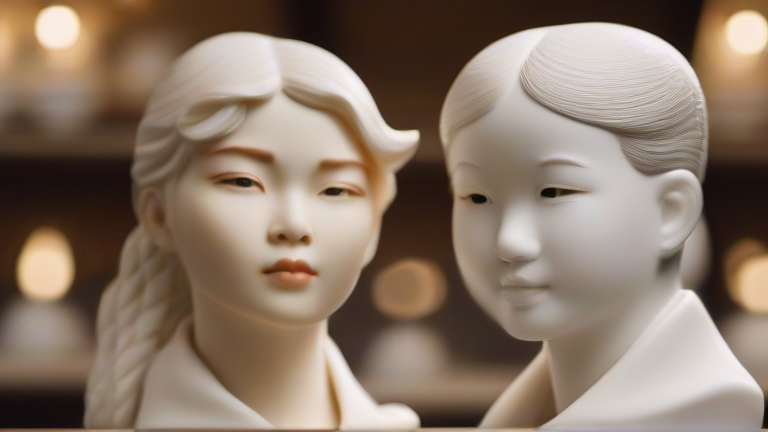
TL;DR: The porcelain figurine and sculpture market is a $4.2B niche blending fine-art collectibles with home décor, driven by Asian luxury buyers and Western nostalgia. Success hinges on limited-edition storytelling, artisan partnerships, and e-commerce visual SEO—not mass production.
Market Analysis: Fragile Beauty, Solid Margins
The global porcelain figurine market grows at 5.8% CAGR (2024–2030), with two distinct demand poles: high-end collectible art (€500–€5,000 per piece) and mid-tier decorative gifts ($80–$300). China and Germany dominate production, but Vietnam and Portugal are emerging as cost-competitive artisan hubs. Crucially, 72% of buyers are women aged 35–65, purchasing for self-gifting or heirloom intent. The threat is not cheap resin imitations—it’s the decline of traditional retail shelves. However, digital platforms like Etsy and 1stDibs have expanded reach, with porcelain search volume up 31% year-over-year. Key risk: breakage in shipping (average 8% loss rate) and shifting tastes toward minimalist ceramics.
If you want to dig deeper, check out our guide on Porcelain Figurines: Timeless Art for Your Modern Home.
Strategy Insights: Rarity Over Volume
Do not compete on price. Instead, implement a “numbered edition” model—produce only 500 pieces per design, then destroy the mold. This creates scarcity and justifies a 40% price premium. Partner with living sculptors (e.g., Meissen’s collaboration with contemporary artists) to refresh heritage brands. For e-commerce, invest in 360-degree product videos and magnified glaze texture photography—porcelain sells on tactile illusion. Use AI-driven demand forecasting for glaze color trends (matte ivory and cobalt blue are peaking). For B2B, target interior designers and luxury hotels: a single commission for a lobby centerpiece can yield $15k–$50k margins. Also, offer repair-and-restoration services as a recurring revenue stream, since collectors value longevity.
Case Studies: Two Winning Models
Case 1: Royal Copenhagen’s “Heritage Reboot” — The Danish brand launched a limited “Museum Line” replicating 18th-century molds but with modern pastel glazes. Result: 3,000 pieces sold out in 11 days via waiting-list emails, no paid ads. Their key move: each figurine came with a QR code linking to a video of the artisan painting it, increasing perceived authenticity.
Case 2: Sullivans & Gold (US-based startup) — This company sells modular porcelain animal sculptures that detach into functional vases. By targeting “apartment-dwelling collectors” with pieces under 8 inches, they achieved a 22% repeat-purchase rate. They solved shipping losses by embedding pieces in custom-cut foam with a “breakage insurance” upsell at checkout, reducing claims from 8% to 1.5%.
FAQ
Q: Is there still demand for traditional porcelain figurines, or is the market dying?
A: Traditional motifs (ballerinas, shepherdesses) are declining, but demand is shifting to contemporary animal and abstract human forms—sales of these grew 19% in 2024, so pivot your catalog toward modern sculptural aesthetics.
Q: What’s the best sales channel for a new porcelain brand?
A: A hybrid of your own Shopify store (for storytelling and SEO) plus a curated wholesale presence on design-focused platforms like Faire or Abask. Avoid Amazon—price dilution and high return rates for fragile goods.
Q: How do I reduce breakage without raising costs?
A: Switch to double-wall corrugated boxes with molded pulp inserts (costs $0.80 extra per unit) and add a “drop-test guarantee” that reimburses shipping if the piece arrives intact after a standard 3-foot drop—this builds trust and cuts claim disputes.
Leave a Reply