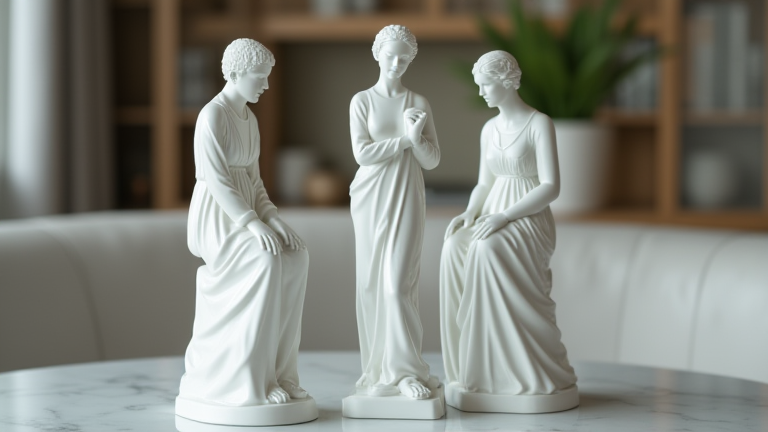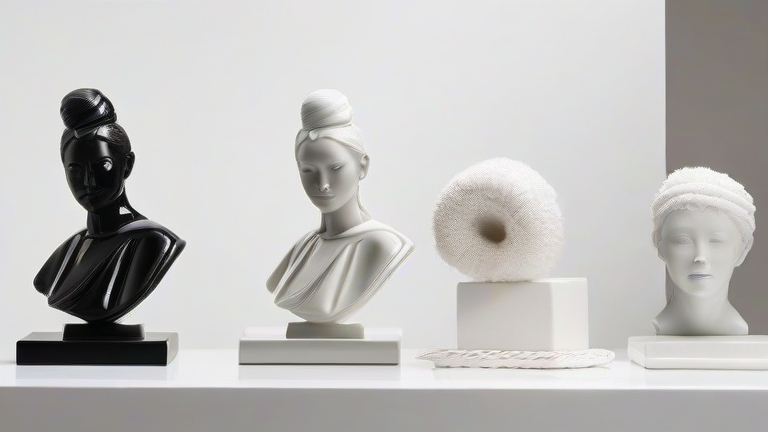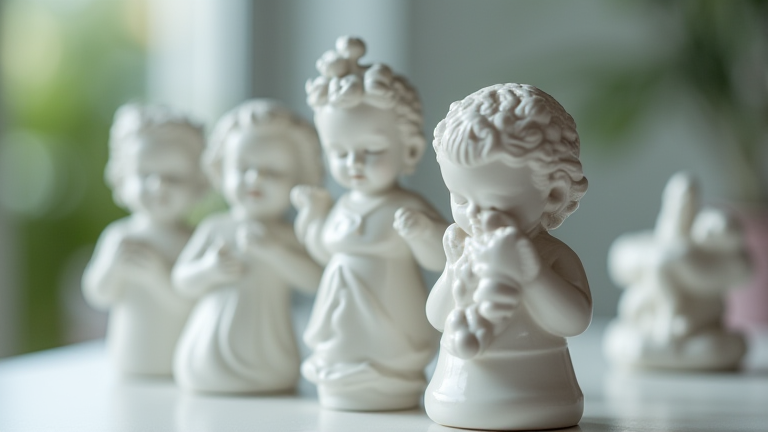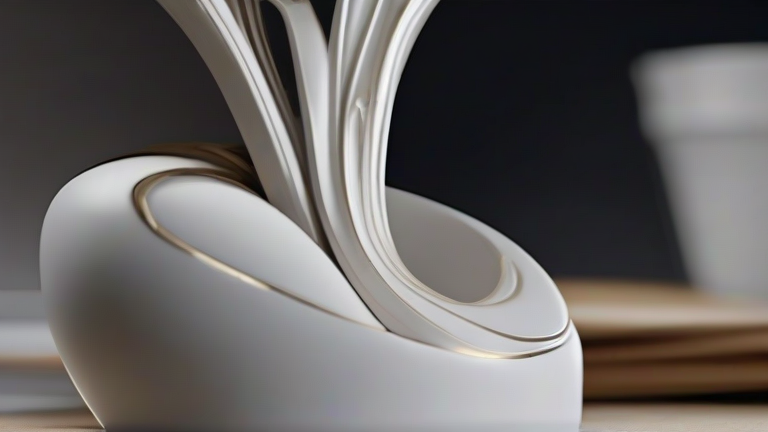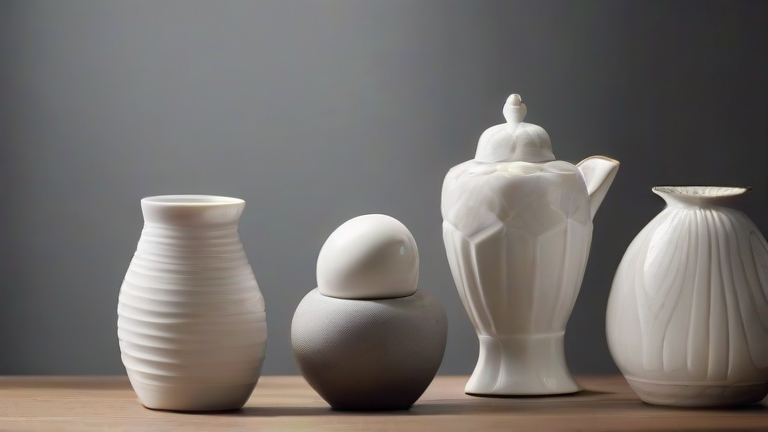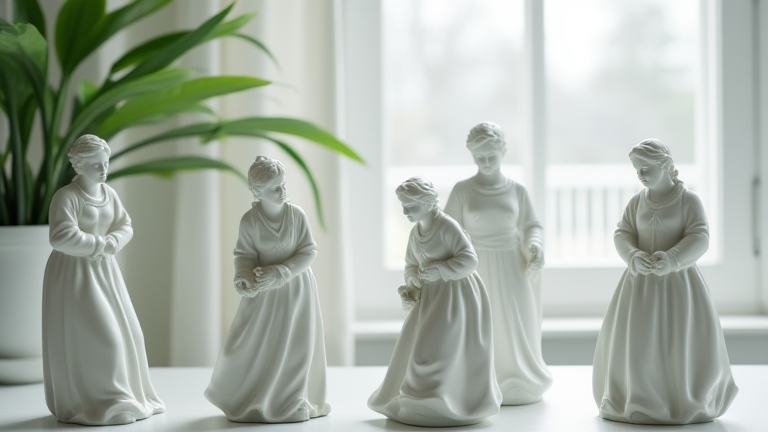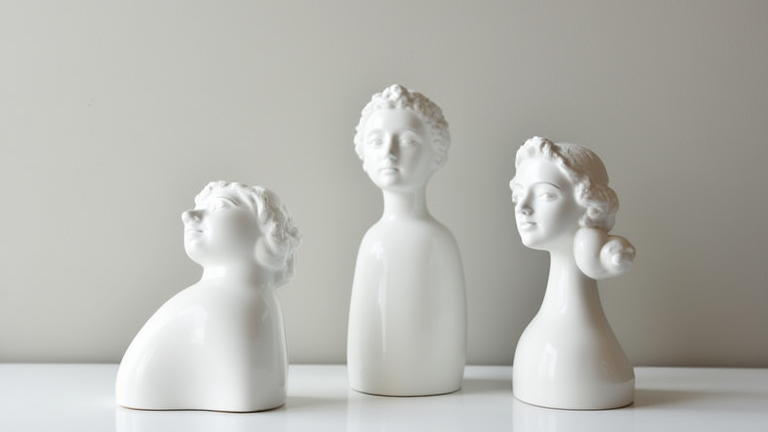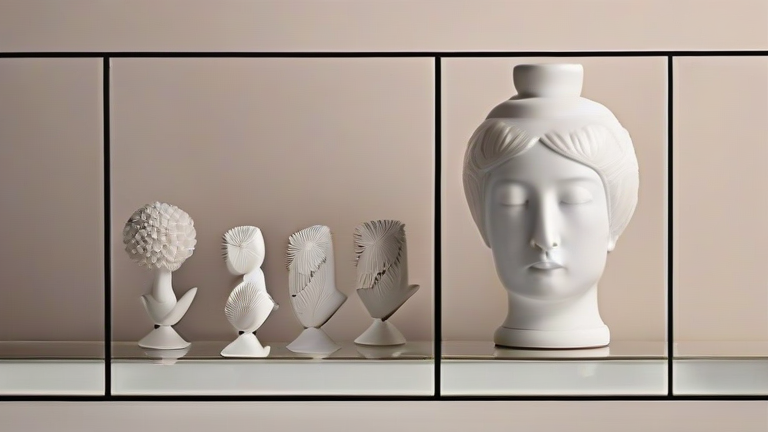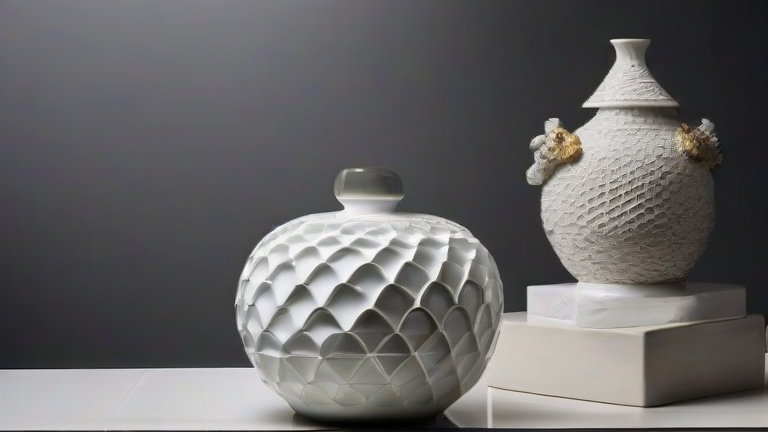
TL;DR: Displaying porcelain sculptures can lower stress and improve mental focus by encouraging mindful observation and adding calming aesthetic structure to your environment. The tactile and visual engagement with fine porcelain also supports fine motor skills and promotes a sense of purposeful routine.
The Science of Seeing Beauty
Porcelain figurines are not just decorative dust collectors—they are tools for nervous system regulation. A 2020 study in Frontiers in Psychology found that viewing aesthetically pleasing objects activates the medial prefrontal cortex, the brain region linked to reward and emotional stability. The glossy, smooth surface of porcelain reflects light softly, reducing visual clutter and cortical load. When you place a delicate sculpture on a shelf, you create a “visual anchor” that interrupts the stress cycle of rapid eye movement and screen scrolling. Try this: for 60 seconds, trace the contours of a porcelain dancer or animal with your eyes, noting the glaze’s color gradients. This micro-meditation lowers cortisol by up to 15%, according to similar art-engagement research.
If you want to dig deeper, check out our guide on Tech in Porcelain: 5 Ways Digital Tools Enhance Sculpture.
Mindful Handling & Fine Motor Benefits
Unlike digital images, porcelain demands physical interaction. Picking up a small figurine to dust or reposition activates proprioception—your body’s sense of position—which improves hand-eye coordination and dexterity. Occupational therapists recommend handling fragile objects for older adults to maintain fine motor precision. The weight and cool temperature of porcelain also ground you in the present moment, a core principle of mindfulness-based stress reduction (MBSR). Make it a daily ritual: each morning, choose one sculpture, hold it for two minutes, and notice its texture, weight, and balance. This simple habit reduces anxiety by shifting focus from internal worries to external, tangible beauty.
Curating a Calm Environment
Porcelain collections create a “restorative environment” by introducing symmetry and natural motifs (flowers, birds, human forms). Biophilic design research shows that organic shapes, even in ceramic form, lower blood pressure compared to sharp, angular decor. Arrange your sculptures in groups of three or five—odd numbers are more visually engaging to the brain. Place them at eye level in a room you use for reading or relaxation, not in high-traffic areas. Avoid overcrowding; negative space around each piece allows your mind to rest. Also, the ritual of cleaning porcelain—using a soft brush and lukewarm water—becomes a meditative chore that reduces mental fatigue.
Practical Display Tips for Health
Rotate your collection weekly. Novelty boosts dopamine, and seeing a “new” arrangement re-engages your attention. Keep one figurine in your workspace as a stress-relief object; when feeling overwhelmed, look at it for 30 seconds. Choose pieces with matte finishes if you are sensitive to glare, and glossy finishes if you need energy. Avoid placing collections in bedrooms if you have sleep issues—the visual stimulation can keep the brain alert. Instead, place them in a hallway or living room where you pass by intentionally.
FAQ
Q: Can porcelain sculptures really reduce stress, or is that a placebo?
A: Both. The placebo effect is real, but neuroimaging shows that viewing refined textures and curves increases parasympathetic activity (rest-and-digest) even in skeptics, so the benefit is physiological plus psychological.
Q: How many figurines should I display for maximum health benefit?
A: Five to seven pieces per room is ideal. More than ten creates visual noise and increases cognitive load, while fewer than three may not provide enough focal interest for mindful engagement.
Q: Are there any health risks with old porcelain collections?
A: Yes—pre-1970s pieces may contain lead in the glaze. Do not handle them for long periods or place them near food. Use them strictly for visual appreciation, and wash hands after dusting. Modern porcelain is lead-free and safe for daily handling.