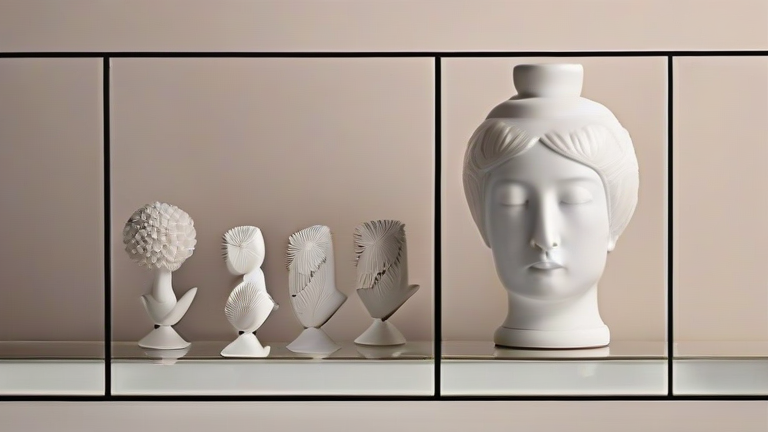
TL;DR: Porcelain figurines are more than decorative dust-catchers—they are miniature time capsules that anchor a room with history, craftsmanship, and personal narrative. By curating these timeless sculptures, you transform your living space into a gallery that tells your unique story, blending travel memories, cultural heritage, and aesthetic growth.
The Art of Slow Living, Sculpted in Clay
In an era of disposable fast décor, porcelain figurines demand a pause. Each piece—whether a delicate Meissen shepherdess or a bold contemporary abstract—carries the fingerprints of a kiln master who spent hours shaping, glazing, and firing. This is the antithesis of mass production. When you place a figurine on your mantel, you invite a conversation with the artisan’s patience. It’s a lifestyle choice that prioritizes quality over quantity, memory over trend. As you travel, instead of buying magnets, collect a small porcelain piece from a local workshop—a Venetian harlequin, a Japanese netsuke-inspired cat. Back home, each figurine becomes a tactile postcard, sparking stories of cobblestone streets and the smell of clay dust.
If you want to dig deeper, check out our guide on Top 10 Porcelain Figurines: Timeless Sculptures for Your Hom.
Cultural Curiosities as Conversation Starters
Porcelain has a global language. A blue-and-white Delft tile evokes Dutch trade routes; a glossy Famille Rose vase whispers of Qing dynasty courts. By mixing figurines from different cultures—a Russian ballet dancer beside a Moroccan lantern-shaped vase—you create a personal museum of world influences. This is not about matching sets but about thoughtful juxtaposition. Group three small pieces on a coffee table book, or let a single large sculpture command an empty shelf. The visual rhythm of curves and glazes adds depth to any room, making your home feel curated rather than cluttered. For personal growth, this practice teaches deliberate selection: you learn to say no to noise and yes to meaning.
Styling With Intention and Light
To elevate your décor, treat figurines as jewelry for your architecture. Place them near natural light sources—a windowsill, a sideboard under a sconce—so the glaze catches shadows and highlights. Pair them with contrasting textures: a smooth porcelain bust on a rough linen runner, or a tiny glazed bird perched on a stack of leather-bound books. Avoid overcrowding; negative space lets each sculpture breathe. If you’re new to collecting, start with a single narrative piece—a dancer mid-pirouette, a gardener with a basket—and build around it. Over time, your collection becomes a self-portrait of your travels and tastes, a quiet rebellion against fleeting trends.
FAQ
Q: How do I clean porcelain figurines without damaging them?
A: Use a soft, dry microfiber cloth to dust weekly. For stubborn grime, lightly dampen a cotton swab with distilled water and gently wipe crevices—never submerge or use harsh chemicals, as this can strip the glaze or hand-painted details.
Q: Can I mix antique and modern porcelain pieces in one display?
A: Absolutely. The contrast between a distressed 18th-century figurine and a sleek minimalist contemporary piece creates a dynamic tension. Keep a common element—similar height, color palette, or subject matter—to unify the arrangement.
Q: Are porcelain figurines a good investment for resale value?
A: Some, like rare Meissen or early Royal Copenhagen, can appreciate, but most gain sentimental value. Focus on pieces that genuinely move you; their true return is the daily joy they bring to your home, not a future auction price.
Leave a Reply