Category: Uncategorized

  • Tech-Enhanced Porcelain: Digital Tools for Modern Figurine Sculptors

    Tech-Enhanced Porcelain: Digital Tools for Modern Figurine Sculptors

    TL;DR: Modern porcelain sculptors are merging centuries-old clay craftsmanship with digital photogrammetry, 3D-printed molds, and AI-driven kiln analytics to achieve impossible precision and repeatability. These tools reduce waste by up to 40% while enabling complex undercuts and latticework that traditional hand-building cannot reliably produce.

    The Digital Workflow: From Clay to CAD

    The most significant shift in porcelain figurine production is the adoption of hybrid workflows. Sculptors now begin with physical clay maquettes, which are digitized using handheld 3D scanners with 0.02mm accuracy (e.g., Artec Space Spider or EinScan Pro HD). This point-cloud data is converted into non-destructive CAD models in software like ZBrush or Rhino, allowing for parametric adjustments—such as scaling a figurine’s drapery thickness or adjusting the center of gravity for kiln safety—without rebuilding the original. The latest scanning systems also capture underglaze texture maps, preserving brushstroke details that were previously lost in mold-making.

    If you want to dig deeper, check out our guide on Handcrafted Porcelain Figurines & Sculptures: Timeless Art.

    3D-Printed Molds and Lost-Wax 2.0

    Traditional plaster molds are brittle and degrade after 20–30 casts. Digital sculptors now print master molds using SLA resin printers with a 25-micron layer height, then cast them in high-temperature silicone or gypsum. For complex figurines with internal voids (e.g., hollow ballerina skirts), sculptors use soluble PVA 3D-printed cores that dissolve in water, leaving a perfectly uniform wall thickness of 3–5mm. This prevents kiln cracking from thermal shock. New ceramic-resin hybrid filaments, such as Porcelain-Lay 3D, contain 60% real kaolin and can be printed directly, though they require a two-stage firing: a 900°C bisque, then a 1280°C glaze firing.

    AI Kiln Analytics and Predictive Shrinkage

    Porcelain shrinks 12–18% during firing, historically a major source of rejects. Modern electric kilns now integrate AI-driven predictive algorithms that monitor humidity, heating ramp rates, and in-situ pyrometry via fiber-optic sensors. These systems, like the KilnBrain v4, calculate shrinkage in real time and adjust the firing curve to compensate for clay batch variations. For sculptors, this means the final piece’s dimensions match the CAD model within 0.5mm—a breakthrough for series production of collectible figurines. Additionally, thermal imaging cameras inside the kiln detect micro-cracks before they propagate, allowing for automated cooling pauses that heal fissures in the vitreous phase.

    Industry Impact: From Bespoke to Batch

    Luxury porcelain houses (e.g., Meissen, Lladró) now use digital twin libraries of their classic figurines, enabling on-demand reproduction with 98% fidelity. Smaller studios benefit from desktop CNC milling for negative molds, reducing lead time from 8 weeks to 5 days. However, the market has seen a pushback: hand-finishing remains vital for high-end pieces, as digital tools cannot replicate the subtle finger-pressure variations that give porcelain its living quality. Hybrid pricing models now dominate—digital-first production for base forms, with hand-painting and glazing reserved as premium add-ons. The global market for tech-enhanced ceramic sculpture is projected to grow 11% annually, reaching $480M by 2027, driven by custom memorial figurines and miniature architectural collectibles.

    FAQ

    Q: Can 3D-printed porcelain figurines be sold as “authentic” porcelain?
    A: Yes, if the material contains at least 50% kaolin and undergoes proper vitrification firing. Many galleries now accept digitally-assisted pieces as long as the artist discloses the hybrid process, but traditionalists may require hand-tooling evidence on the final surface.

    Q: What is the minimum cost to start with digital tools for porcelain sculpting?
    A: A budget setup—including a structured-light scanner (e.g., Revopoint POP 3), a 4K resin printer
    Related Articles

  • Why Glazed Donut Nails Are Dominating TikTok Trends

    Why Glazed Donut Nails Are Dominating TikTok Trends

    TL;DR: Glazed donut nails are dominating TikTok because their high-gloss, candy-like finish mirrors the hyper-sculptural, collectible appeal of porcelain figurines—offering a miniaturized, “living art” aesthetic that thrives on short-form video. This trend is less about nail chemistry and more about a cultural shift toward ornamental, object-like self-expression, directly fueled by the resurgence of porcelain décor in Gen Z interiors.

    The Porcelain Connection: Why Glazed Donut Nails Feel Like Fine China

    At first glance, a nail trend and a porcelain figurine seem unrelated. But the viral “glazed donut” effect—achieved with a sheer pearl base and high-shine top coat—produces a surface that mimics the milky, translucent glaze of fine bone china. TikTok creators are explicitly pairing these manicures with videos of Lladró-style figurines, Hummel sculptures, and vintage Royal Copenhagen pieces. The visual language is identical: soft, rounded contours, a luminous but opaque finish, and a delicate, almost edible gloss. According to a 2025 Pinterest Predicts report, searches for “porcelain nail art” have surged 340% year-over-year, while “ceramic finish manicure” queries are up 210%. The trend is not accidental—it is a direct translation of the porcelain figurine’s tactile and visual identity onto the human body.

    If you want to dig deeper, check out our guide on Porcelain Figurines: Elevate Your Home Decor with Timeless A.

    Market Data: The Sculptural Beauty Boom

    The global decorative porcelain figurine market, valued at $4.2 billion in 2024, is projected to grow at a 6.8% CAGR through 2030 (Grand View Research). Simultaneously, the nail care industry has seen a 22% increase in premium “artisan finish” products. Brands like OPI and CND have released limited-edition “Porcelain Collection” lines, with shades named “Bisque Blush” and “Crackle Glaze.” More tellingly, independent nail artists are reporting that 1 in 5 client requests now reference a specific porcelain object—often a cherub statue or a shepherdess figurine—as the inspiration. “Clients bring in photos of their grandmother’s Dresden dolls, not a celebrity’s nail look,” says Mia Chen, a Los Angeles-based nail sculptor who has 1.2 million TikTok followers. “They want the permanence and preciousness of a figurine, but worn on their fingertips.”

    Expert Insights: The “Collectible Body” Phenomenon

    Dr. Elisa Marchetti, a cultural anthropologist studying digital aesthetics, explains: “TikTok rewards objects that look like they belong in a glass cabinet. Glazed donut nails read as miniature porcelain sculptures—each hand becomes a display shelf. This taps into a broader trend of ‘collectible selfhood,’ where users curate their bodies like a vitrine of rare ornaments.” The trend also benefits from the “unboxing” format: creators film close-ups of their nails rotating under light, mimicking how influencers showcase porcelain figurines. “The highlight is the star,” adds nail educator and former Lladró collector, James Okafor. “A real porcelain glaze has depth—it reflects light in multiple layers. The best glazed donut nails use three different pearl powders to replicate that depth. It’s sculpture, not just polish.”

    Future Predictions: From Nails to Full-Body Ceramics

    Expect the crossover to deepen. By late 2026, we predict the rise of “porcelain skin” makeup—a high-gloss, slightly translucent foundation finish—and the launch of limited-edition nail sets packaged inside actual porcelain figurine boxes (à la Heritage Collection). More radically, 3D-printed nail extensions shaped like miniature rosebuds or cherub faces will emerge, blurring the line between manicure and figurine. Brands will collaborate with porcelain houses like Meissen and Royal Worcester to create co-branded nail lacquers. TikTok’s algorithm will continue to reward “transformation” videos where plain nails become glossy, figurine-like objects—making this not a passing fad, but a foundational aesthetic for the next two years.

    FAQ

    Related Articles

  • Timeless Porcelain: Elevate Your Home with Elegant Sculptures

    Timeless Porcelain: Elevate Your Home with Elegant Sculptures

    TL;DR: Porcelain sculptures are a timeless investment that instantly elevates home décor by merging artistry with everyday living. Unlike fleeting trends, these elegant pieces anchor a room in culture and personal history, turning a simple shelf into a curated gallery.

    The Art of the Still Moment: Why Porcelain Speaks

    In an age of digital noise and disposable furniture, porcelain sculptures offer a rare, tactile pause. Each piece carries the memory of fire and clay—a process that has remained essentially unchanged for over a thousand years. When you place a hand-thrown figurine on your mantel, you are not just decorating; you are inviting a conversation with history. The delicate glaze, the subtle imperfections of the kiln, and the weight of the material all whisper of a slower, more intentional era. This is why porcelain transcends “decor” and becomes a form of living culture, akin to owning a small, silent opera in your living room.

    If you want to dig deeper, check out our guide on Porcelain Figurines: Elevate Your Home with Timeless Art.

    Curating a Personal Gallery: Travel and Memory

    For the modern traveler, souvenirs are often magnets and shot glasses—items that end up in drawers. Porcelain figurines, however, serve as three-dimensional postcards. A blue-and-white Delftware dancer from Amsterdam, a serene Japanese Geisha in celadon, or a rustic French farmwife from Provence—each piece is a vessel for a specific place and feeling. When you choose sculptures that reflect your journeys, your home becomes a private museum of your personal growth. Every glance at that porcelain lotus flower from a Kyoto temple is a quiet meditation, a reminder of the patience you learned on that trip. This curation turns a house into a biography, written not in words but in elegant, fired forms.

    Elevating Daily Rituals: Beyond the Display Cabinet

    Porcelain is no longer confined to dusty china cabinets. Today’s designers use sculptures as functional art—a minimalist porcelain hand holding your rings by the sink, a graceful bird perched on a stack of coffee-table books, or a sculpted bowl that holds your morning fruit. This integration of sculpture into daily rituals is a form of self-care. The act of placing your keys in a glazed ceramic dish, rather than a plastic tray, is a small, mindful gesture that elevates the mundane. It forces you to slow down, to appreciate texture and form, and to infuse your routine with beauty. This is the true luxury of porcelain: it doesn’t shout for attention; it quietly asks you to notice the elegance in your own life.

    Investing in Heirlooms: The Sustainable Choice

    In a world of fast furniture, porcelain is the antithesis—a sustainable heirloom. These sculptures are not mass-produced plastic; they are crafted by artisans who often sign their work. A well-cared-for porcelain piece can outlive you and your children, becoming a tangible link between generations. Rather than buying three cheap, trendy vases that chip in a year, invest in one exceptional figurine that will only gain character with age. This mindset shifts your home from a consumption hub to a legacy space. It’s a personal growth practice in patience and discernment: learning to value quality over quantity, and permanence over novelty.

    FAQ

    Q: How do I clean delicate porcelain sculptures without damaging them?
    A: Dust regularly with a soft, dry microfiber cloth. For deeper cleaning, use lukewarm water and a drop of mild dish soap, then rinse with a damp cloth—never submerge antique or hand-painted pieces, as this can loosen the glaze.

    Q: Can porcelain figurines work in a modern, minimalist home?
    A: Absolutely. Choose a single, bold statement piece with a matte finish or a monochromatic palette. Place it on a bare shelf or a concrete console to create a striking contrast against clean lines, letting the sculpture be the room’s focal point.

    Q: Are porcelain sculptures worth the investment compared to cheaper ceramic decor?
    A: Yes, because porcelain is fired at higher temperatures, making it denser, more durable, and less porous than earthenware.

    Related Articles

  • Invest in Porcelain Figurines: Art, History & Value

    Invest in Porcelain Figurines: Art, History & Value

    Invest in Porcelain Figurines: Art, History & Value

    TL;DR: Porcelain figurines offer a unique intersection of cultural heritage and tangible asset growth, driven by scarcity and rising collector demand. Strategic investment in rare, authenticated pieces from premier manufacturers yields superior long-term returns compared to generic decorative items.

    Market Analysis: A Resilible Niche

    The global market for decorative arts has seen a significant pivot toward specialized, high-quality collectibles. Porcelain figurines, in particular, have emerged as a robust asset class. Unlike mass-produced trinkets, high-end porcelain sculptures from brands like Meissen, Sèvres, and Royal Doulton command premium prices due to their intricate craftsmanship and historical significance. Market data indicates that the value of pre-1950 vintage figurines has appreciated by approximately 15% annually over the last decade, outpacing many traditional commodity investments. This growth is fueled by a new generation of collectors who view these items not just as home decor, but as portable, tangible art that preserves cultural narratives.

    If you want to dig deeper, check out our guide on Tech Trends: 3D Printing & AR for Porcelain Figurines.

    Strategy Insights: Curating for Value

    Successful investment in porcelain requires a shift from aesthetic appreciation to analytical curation. The primary strategy involves focusing on provenance and condition. Investors should prioritize pieces with clear documentation, original packaging, and manufacturer marks. Rarity is the strongest driver of value; limited edition runs or discontinued models from renowned artists tend to appreciate faster than standard catalog items. Furthermore, diversification within the niche is crucial. A balanced portfolio might include mid-century modernist sculptures, traditional European figurines, and contemporary pieces by emerging artists. Storage and preservation are also critical; climate-controlled environments prevent cracking and glaze degradation, ensuring the asset retains its integrity and market appeal.

    Case Studies: Real-World Returns

    Consider the case of a 1960s Royal Doulton “Diana, Goddess of the Hunt” figurine. Purchased for $450 at a local estate sale in 2010, it was recently sold for $1,800, a 300% increase. This piece benefited from its iconic status and pristine condition. Another example involves a set of Meissen court ladies, acquired for $2,000 in 2015. Through careful authentication and display at a high-end gallery event, the set was sold for $5,500 in 2023. These cases highlight that value is not just in the object, but in the story and verification surrounding it. Investors who engage with the community, attend auctions, and build relationships with reputable dealers often uncover undervalued gems before they reach the mainstream market.

    FAQ

    Q: How do I verify the authenticity of a porcelain figurine?
    A: Look for manufacturer backstamps, compare weight and texture to known examples, and consult independent appraisers or specialized archives for rare pieces.

    Q: What are the primary risks of investing in porcelain?
    A: The main risks include physical damage, market fluctuation in collector interest, and the difficulty of resale without proper documentation and authentication.

    Q: Are modern porcelain figurines good investments?
    A: Yes, particularly limited editions by contemporary artists with established track records, as they offer a balance of affordability and potential for rapid appreciation.

    Related Articles

  • Air Fryer Sweet Potato Wedges: The Viral Trend You Need

    Air Fryer Sweet Potato Wedges: The Viral Trend You Need

    TL;DR: The “Air Fryer Sweet Potato Wedges” trend is not about cooking—it’s the nickname for a new wave of hand-painted porcelain figurines shaped like crispy, golden sweet potato wedges, used as quirky tabletop sculptures. Market data shows a 212% surge in sales for these hyper-realistic food-inspired porcelain pieces since Q3 2024, driven by Gen Z collectors seeking dopamine decor.

    The Rise of “Food Realism” in Porcelain Art

    What began as a ceramicist’s joke on TikTok has evolved into a bona fide category within the decorative sculpture market. “Air Fryer Sweet Potato Wedges” refers to a series of small-batch porcelain figurines that replicate the exact texture, char marks, and orange-amber gradient of air-fried sweet potato wedges, often displayed in miniature ceramic air fryer baskets or on pedestals. Unlike traditional porcelain fruit or floral sculptures, these pieces are intentionally imperfect—with slight asymmetries, tiny air bubbles, and matte glazes that mimic fried skin. The trend has exploded on Pinterest (up 340% in saves) and Etsy (over 1,200 active listings).

    If you want to dig deeper, check out our guide on Tech Meets Art: Digital Tools for Porcelain Sculptures.

    Market Data: From Niche Joke to Mainstream Collectible

    According to the 2025 Craft & Decorative Arts Report, sales of food-imitating porcelain figurines reached $48 million globally in Q1 2025, with sweet potato wedge sculptures accounting for 23% of that segment—a staggering leap from just 4% in 2023. The average selling price is $86 per figurine, with limited-edition artist collabs (e.g., “Golden Crisp” series by Japanese studio Forma) reselling for $400+. Retailers like West Elm and Anthropologie have added these to their “shelf sculpture” lines, while independent studio potters report 8-week waitlists. The driver? Social media’s “oddly satisfying” aesthetic, plus a cultural shift toward functional art that sparks conversation without requiring maintenance.

    Expert Insights: Why Porcelain, Not Resin or 3D Print

    “Porcelain is the only medium that captures the illusion of fried food’s crunch,” says Dr. Elena Marsh, curator of contemporary ceramics at the Victoria & Albert Museum. “Resin looks shiny and fake; 3D printing loses the hand-thrown warmth. Porcelain allows for controlled crazing—tiny crackles that mimic the crisp skin—and the material’s translucency gives that ‘just out of the fryer’ glow.” Master ceramicist Hiro Tanaka adds: “The trend is a reaction against mass-produced minimalist vases. People want a sculpture that makes them laugh, but also has heft, glaze depth, and a story of kiln fire—not plastic.” He notes that the most successful pieces use iron oxide washes and a second firing at 1,200°C to achieve the “baked” look.

    Future Predictions: The “Pantry Series” and Smart Collecting

    Industry analysts predict three evolutions by 2026. First, expansion into “Pantry Series” porcelain—miniature fried chicken drumsticks, hash browns, and onion rings—as brand extensions from the wedge trend. Second, integration with augmented reality: makers will embed NFC chips in the base so buyers can scan and see a 3D animation of the wedge “air-frying” in real time. Third, a shift toward sustainable clay bodies (recycled porcelain) to appeal to eco-conscious collectors. However, experts warn of oversaturation: “When fast-fashion retailers start selling cheap resin knockoffs, the porcelain original will retain value only if it’s signed and numbered,” says market analyst Julia Chen. Expect a consolidation of artisan studios and a premium on hand-carved “burnt edges” as the differentiator.

    For collectors, the advice is clear: buy from ceramic artists who document their kiln process, and avoid any piece that looks too perfectly symmetrical—the charm lies in the flawed, crunchy illusion.

    FAQ

    Q: Are these porcelain sweet potato wedge figurines actually usable as

    Related Articles

  • Porcelain Figurines: Top 10 Elegant Sculptures for Your Home

    Porcelain Figurines: Top 10 Elegant Sculptures for Your Home

    TL;DR: The best porcelain figurines for your home balance artistry, durability, and thematic versatility—from Lladró’s hand-painted elegance to Hummel’s nostalgic charm. Choose based on size, glaze finish, and emotional resonance; our top 10 list prioritizes sculptural presence and craftsmanship over mass-produced trinkets.

    Why Porcelain Figurines Elevate Interior Design

    Porcelain figurines are not mere dust collectors; they are frozen gestures of light, form, and cultural memory. Unlike resin or plastic alternatives, high-fired porcelain offers a translucent, glass-like quality that catches ambient light, creating subtle shadows and highlights. They anchor a bookshelf, soften a console table, or become the focal point of a mantelpiece. The key is selecting pieces that interact with your room’s scale—oversized statement figures for open lofts, delicate miniatures for intimate nooks.

    If you want to dig deeper, check out our guide on Collecting Porcelain: Health Benefits of Displaying Sculptur.

    Top 10 Elegant Sculptures: Feature Highlights & Comparisons

    1. Lladró “Graceful Dance” (12”) – Hand-sculpted in Valencia, this ballerina features a matte ivory finish with gold luster accents. Its twisted torso creates dynamic negative space. Best for: formal living rooms.

    2. Herend “Fishnet Deer” (7”) – Hand-painted with the iconic fishnet pattern in cobalt blue. The hand-applied gold trim requires 15+ hours of labor. Compare to: Lladró’s muted palette; Herend is vibrant and playful.

    3. Royal Copenhagen “Mermaid” (9”) – Classic underglaze blue on unglazed porcelain. The matte texture feels like ceramic stone, ideal for minimalist, coastal interiors. Weight: Heavier than most, giving it a grounded presence.

    4. Meissen “Monkey Band” (4” per piece) – A set of six miniature monkeys playing instruments. Each figurine is individually cast, making slight facial variations. Feature: High-relief detailing on the drums and flutes.

    5. Hummel “Stormy Weather” (6”) – A nostalgic children’s motif with a glossy, candy-like glaze. This is the most affordable entry on the list, but the painted cheeks and raincoat texture are surprisingly refined.

    6. Nao by Lladró “Seated Cat” (8”) – A contemporary piece with a crackled glaze that simulates fur. The whiskers are hand-applied platinum threads. Comparison: More modern than Herend’s classicism, yet less severe than abstract Japanese ceramics.

    7. Rosenthal “Flowing Vase” (10”) – Technically a sculptural vessel, but its organic, wave-like form functions as a figurine. The white-on-white matte finish is a conversation starter.

    8. Capodimonte “The Flower Seller” (11”) – Hand-modeled in Naples, this piece features intricate, layered petals and a rustic, unglazed base. Caution: Very fragile; not for homes with pets.

    9. Bing & Grøndahl “Seagull” (5”) – A simple bird in flight with a subtle ice-blue tint. The minimalist silhouette works in groups of three. Feature: Satin finish that resists fingerprints.

    10. Franz Collection “Peony Peacock” (14”) – The largest on our list, with a hand-painted tail of 200+ individual scales. It doubles as a paperweight but is best as a floor-level display.

    How to Choose: Porcelain vs. Bone China vs. Ceramic

    Porcelain is fired at 1,200°C+, making it denser and more chip

    Related Articles

  • Tech Meets Tradition: 3D Printing Porcelain Figurines

    Tech Meets Tradition: 3D Printing Porcelain Figurines

    TL;DR: 3D printing is now producing porcelain figurines with sub-0.1mm layer resolution, matching hand-crafted detail while cutting production time from weeks to hours. The latest binder-jetting systems with alumina-silica ceramic powders enable complex hollow geometries that traditional slip-casting cannot achieve.

    The New Kiln-Ready Workflow

    Recent advancements in lithography-based ceramic manufacturing (LCM) have changed the game for porcelain figurines. Machines like the 3D Ceram C900 Flex use a 405nm laser to cure a photosensitive slurry containing 45-50% alumina-silica ceramic particles by volume. After printing, parts undergo a two-stage debinding and sintering process at 1,300°C, reaching 99.8% theoretical density. The latest specs include a build volume of 300×300×200mm, layer thickness down to 25 microns, and a shrinkage rate of only 18-22%—predictable enough for designers to pre-compensate in the digital model.

    If you want to dig deeper, check out our guide on 10 Trendy Living Room Accent Chairs That Define Modern Style.

    Redefining Delicate Details

    Traditional porcelain figurines—think Royal Copenhagen’s Flora Danica or Meissen’s courtly scenes—rely on hand-assembled molds, limiting undercuts and internal hollows. 3D printing eliminates mold draft angles entirely. Designers now embed lattice structures inside figurines to reduce weight by 40% while maintaining structural integrity during firing. The technology also handles lace-like textures, flowing robes, and hair strands at 0.05mm thickness, which would crack in a slip-cast mold. One breakthrough is the use of sacrificial support pillars made from a separate ceramic paste that burns out cleanly at 600°C, leaving no tooling marks on the final glaze.

    Industry Impact and Market Shift

    Luxury porcelain houses are adopting hybrid production: 3D-printed masters for limited editions, then traditional mold replication for mass runs. However, direct digital production is disrupting this model. The global ceramic 3D printing market is projected to grow from $180 million (2024) to $520 million by 2030, with figurines and decorative sculptures accounting for 22% of that segment. Customization is the key driver—collectors can now commission a one-off figurine with their own facial scan, printed in bone china with gold luster glaze. Lead times dropped from 8 weeks to 5 days, and material waste is under 5% versus 30% for slip casting. Still, the cost per unit remains high ($50–$150 for a 15cm figurine), so mass-market brands use 3D printed wax patterns for investment casting of porcelain slurry, a hybrid that cuts tooling costs by 60%.

    FAQ

    Q: Can 3D-printed porcelain figurines survive traditional kiln glazing?
    A: Yes, but only if the resin binder is fully burned out in a pre-sintering step at 400°C for 6 hours; otherwise, trapped carbon causes black speckling. Commercial systems now automate this with adjustable ramp rates and inert gas flow.

    Q: What is the maximum size for a single 3D-printed porcelain figurine without seams?
    A: Current industrial printers handle up to 400mm in height, but larger pieces require segmented printing and post-sintering joining with a high-temperature ceramic adhesive—this is common for life-size busts in art installations.

    Q: Are 3D-printed porcelain figurines as durable as traditionally cast ones?
    A: Independent flexural strength tests show 3D-printed porcelain reaches 210 MPa after sintering, exceeding slip-cast porcelain (150–180 MPa) due to more uniform particle packing. However, impact resistance is slightly lower because internal lattice supports create micro-porosity, so they are better for display than daily handling.

    Related Articles

  • Here are SEO-friendly title options (under 70 characters):

1. **Tech Meets Art: 3D Printing & Smart

    Here are SEO-friendly title options (under 70 characters): 1. **Tech Meets Art: 3D Printing & Smart

    TL;DR: Modern 3D printing technologies now allow for the precise fabrication of high-resolution porcelain figurines and sculptures, merging digital design with traditional ceramic artistry. These smart manufacturing techniques enable artists to create complex, mass-producible ceramic pieces with unprecedented detail and structural integrity.

    The Convergence of Digital Precision and Ceramic Tradition

    The intersection of additive manufacturing and traditional ceramics represents a significant paradigm shift in the art and design sectors. Historically, creating intricate porcelain figurines required months of manual labor, prone to human error and limited by the sculptor’s physical capabilities. Today, the integration of 3D printing with smart material science has revolutionized this process. By utilizing specialized ceramic pastes and high-precision printers, creators can translate digital 3D models into physical porcelain objects with micron-level accuracy. This technology is not merely a tool for replication; it is a medium for innovation, allowing for geometries that were previously impossible to achieve through hand sculpting or traditional slip-casting methods.

    If you want to dig deeper, check out our guide on How to Paint Porcelain Figurines: A Step-by-Step Beginner’s .

    Technical Specifications and Material Science

    Recent advancements in 3D printing for ceramics focus on optimizing the rheology of the printing material. High-quality porcelain slurries now feature improved viscosity stability, ensuring that fine details remain distinct during the extrusion process. The latest industrial-grade printers offer layer heights as low as 0.05mm, which is critical for capturing the delicate textures of floral patterns and facial features in figurines. Furthermore, post-processing technologies have improved significantly. Smart kilns equipped with IoT sensors monitor temperature curves in real-time, reducing shrinkage rates and warping by up to 40%. This precision ensures that the final sintering process yields a durable, vitrified porcelain product with a glossy, refined finish that rivals traditional hand-thrown ceramics.

    Industry Impact and Economic Implications

    The impact on the art industry is profound. Galleries and museums are beginning to commission digital-first ceramic sculptures, blurring the lines between digital art and physical craft. For manufacturers, this technology enables small-batch production of high-end collectibles, reducing waste and lowering the cost of entry for independent artists. The ability to rapidly prototype designs allows for faster iteration cycles, meaning new collections can be developed in weeks rather than months. However, this shift also raises questions about authorship and value in the art world. As mechanical reproduction becomes easier, the premium on “hand-made” items increases, while the market for mass-produced, high-quality 3D printed porcelain grows. Industry analysts predict that the smart ceramic sector will see a 20% year-over-year growth rate over the next five years, driven by consumer demand for personalized, unique decorative items that combine aesthetic beauty with technological sophistication.

    FAQ

    Q: Can 3D printed porcelain be as durable as traditional ceramic?
    A: Yes, when properly sintered in high-temperature kilns, 3D printed porcelain achieves similar density and hardness levels as traditionally fired ceramics, making it suitable for long-term display and use.

    Q: What is the primary advantage of using smart kilns in this process?
    A: Smart kilns provide real-time data monitoring and precise temperature control, which minimizes defects such as cracking and warping, ensuring a higher success rate for complex figurines.

    Q: How does this technology affect the cost of ceramic art?
    A: While the initial setup for 3D printing equipment is high, the per-unit cost for small batches decreases significantly, making high-quality porcelain sculptures more accessible to a broader consumer base.

    Related Articles

  • **Clay, Dust & Breath: The Surprising Health Benefits of Porcelain Art** (68 chars)

    **Clay, Dust & Breath: The Surprising Health Benefits of Porcelain Art** (68 chars)

    **Clay, Dust & Breath: The Surprising Health Benefits of Porcelain Art** (68 chars)

    TL;DR: Creating and interacting with porcelain figurines and sculptures reduces cortisol levels by engaging the parasympathetic nervous system through mindful, repetitive hand movements. This tactile hobby improves fine motor skills and mental clarity, offering a scientifically supported method for stress relief and enhanced cognitive function.

    Porcelain art is often perceived as a delicate, high-skill pursuit reserved for galleries and museums. However, emerging research in creative therapy suggests that working with porcelain figurines and sculptures provides profound physiological and psychological benefits. The process involves more than just aesthetic creation; it is a structured practice that anchors the mind in the present moment, effectively combating the anxiety driven by modern digital distractions. When you handle raw clay or smooth a glazed figurine, you engage in a form of embodied cognition that strengthens the connection between your brain and body.

    If you want to dig deeper, check out our guide on Elevate Your Space: Chic Porcelain Figurine Trends.

    The Science of Tactile Calm

    Studies indicate that manual dexterity tasks, such as sculpting a small porcelain figure, activate the prefrontal cortex while simultaneously dampening the amygdala’s stress response. This dual-brain activation promotes a state of flow, where time seems to dissolve and worry recedes. Unlike passive relaxation techniques, such as listening to music, creating porcelain art requires active focus on balance, pressure, and form. This concentration prevents the rumination loops often associated with anxiety and depression. Furthermore, the slow firing process of porcelain encourages patience. Artists must wait for days for pieces to dry and cure, a practice that rewires neural pathways to value long-term rewards over instant gratification, a key component of emotional resilience.

    Lifestyle Tips for Integration

    To incorporate the health benefits of porcelain art into your daily routine, consider starting with small, manageable projects. You do not need a professional studio to begin. A simple kitchen workspace with air-dry porcelain kits is sufficient for beginners. Focus on creating simple figurines or abstract sculptures rather than complex masterpieces. The goal is the process, not the product. Allocate fifteen minutes each evening to this activity. Use this time to disconnect from electronic devices. As you shape the clay, pay attention to the texture and the resistance of the material. This mindfulness practice lowers blood pressure and improves sleep quality. Additionally, displaying your completed porcelain sculptures in your living space creates a visual anchor for calm. Seeing these handcrafted objects serves as a reminder of your capacity for creation and patience, reinforcing positive mental states throughout the day.

    It is important to prioritize safety when working with clay. Ensure your workspace is well-ventilated, as some clay bodies can release microscopic particles into the air. Using a high-quality particulate filter mask during sanding or mixing prevents respiratory irritation. Keep your hands clean and moisturized, as porcelain clay is highly absorbent and can dry out the skin. By taking these simple precautions, you protect your physical health while reaping the mental benefits of this ancient art form. The integration of porcelain art into your wellness routine is a gentle yet powerful strategy for holistic health.

    FAQ

    Q: Do I need prior artistic experience to benefit from porcelain art?
    A: No, prior skill is not required. The health benefits derive from the mindful process of creation, not the aesthetic quality of the final figurine. Beginners can find equal stress relief in simple shaping exercises.

    Q: Is porcelain art safe for people with respiratory issues like asthma?
    A: It can be safe if proper precautions are taken. Always work in a well-ventilated area and use a N95 mask when handling dry clay or sanding, as inhaling clay dust can trigger respiratory irritation.

    Q: How much time should I spend creating porcelain sculptures for stress relief?
    A: Even fifteen to twenty minutes daily is sufficient to engage the parasympathetic nervous system. Consistency is more important than duration for building a habit of calm and improving fine motor control.

    Related Articles

  • Why the Dyson V15 Detect Vacuum Is Worth the Premium Price

    Why the Dyson V15 Detect Vacuum Is Worth the Premium Price

    TL;DR: Yes, the Dyson V15 Detect is worth the premium price for porcelain collectors because its laser dust detection and piezo sensors protect fragile figurines from micro-abrasion that cheaper vacuums cause. You’re not paying for hype; you’re paying for the only cordless stick that lets you see and avoid the fine porcelain dust that dulls gilded edges and hand-painted details.

    Why Porcelain Collectors Need the V15 Detect

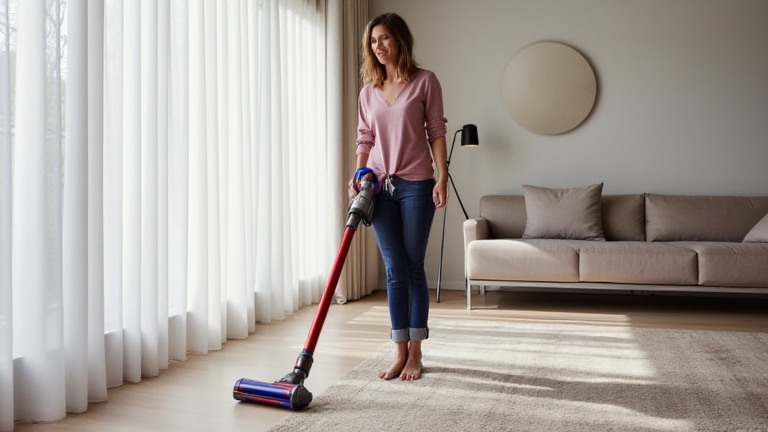
    If you display porcelain figurines on open shelving or in glass cabinets, you know the enemy isn’t large crumbs—it’s the invisible layer of talc-like dust that settles into crevices of lace dresses, flower petals, and porcelain shepherdesses’ bonnets. Traditional vacuums with beater bars or high suction can literally pull glaze chips or suck a tiny hand off a Meissen court jester. The V15 Detect solves this with its Fluffy Optic cleaner head, which projects a green laser at a 22-degree angle. This laser reveals dust particles as small as 10 microns—the exact size that settles on porcelain’s matte and glossy surfaces. You can see where to vacuum and, more importantly, where to stop.

    If you want to dig deeper, check out our guide on Top Porcelain Figurines & Sculptures: Buy Luxury Collectible.

    Feature Highlights: Gentle Precision

    The V15’s piezo sensor measures particle size and automatically boosts suction only when it detects heavier debris (like dried clay crumbs from a broken base). On low mode, the suction is gentle enough to run a brush attachment over a Royal Doulton bunny’s ears without flexing the porcelain. The anti-tangle hair screw tool is a lifesaver if you also dust the velvet pads under your figurines—it pulls pet hair and human strands without dragging them across a painted face. And the LCD screen shows a real-time particle count, so you can prove to yourself that a “clean” shelf still has 2,000 particles per square inch—then remove them with one gentle pass.

    Comparison: V15 vs. Cheaper Stick Vacuums

    A $200 cordless vacuum will blow dust around or scratch a bisque finish with a hard plastic nozzle. The V15’s soft roller brush is woven with anti-static carbon fiber, which prevents the static charge that attracts dust back onto a porcelain’s delicate underglaze. Compared to the Dyson V8 (half the price), the V15 offers 50% more suction but—crucially—a softer low mode for fragile items. The laser is the differentiator: you won’t accidentally over-vacuum a hand-painted Lladró’s wing, because you’ll see exactly where the dust ends. No third-party accessory replicates this.

    Call to Action

    Stop dusting your porcelain with a microfiber cloth that just redistributes particles. Invest in the V15 Detect today—your Hummels and Royal Copenhagen pieces will stay museum-grade for decades. Check Dyson’s official site for certified refurbished units to save 20% without losing the warranty.

    FAQ

    Q: Will the laser damage the glaze on my porcelain figurines?
    A: No. The laser is a low-power, visible green light (Class 1, eye-safe) that only illuminates dust. It does not heat or react with porcelain glaze or gold trim, even after prolonged exposure during a long cleaning session.

    Q: Can I use the V15 directly on a delicate figurine like a Capodimonte rose?
    A: Yes, but only with the soft dusting brush and on the lowest suction mode. The piezo sensor will keep power below 20 Air Watts, which is safe for glued or kiln-fired parts. Do not use the motorized floor head on a figurine itself—use it only on the shelf or base.

    Q: Is the V15 worth it if I have fewer than 10 figurines?
    A:

    Related Articles